Zircon Meaning: History, Symbolism, Spiritual Properties & Modern Uses
For years, I dismissed zircon as something it wasn’t. I assumed it was a cheap diamond imitation, the kind of stone you might find in a mall jewelry counter with a tiny price tag. Like so many people, I confused it with cubic zirconia — a synthetic, manufactured material that shares part of its name but almost nothing else.
Then I started learning about the real zircon. It’s one of the oldest minerals on Earth. Some zircon crystals have been dated to over 4.4 billion years old — nearly as old as the planet itself. It’s been traded along ancient routes, set into royal jewelry, and prized by gem collectors for its brilliance and fire.
That’s the thing about zircon. It’s not an imitation. It’s not a synthetic. It’s a natural gemstone with a story that spans the entire history of our planet.
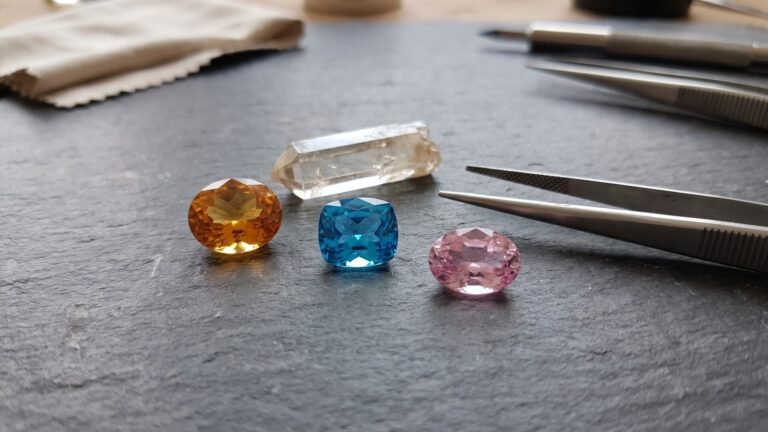
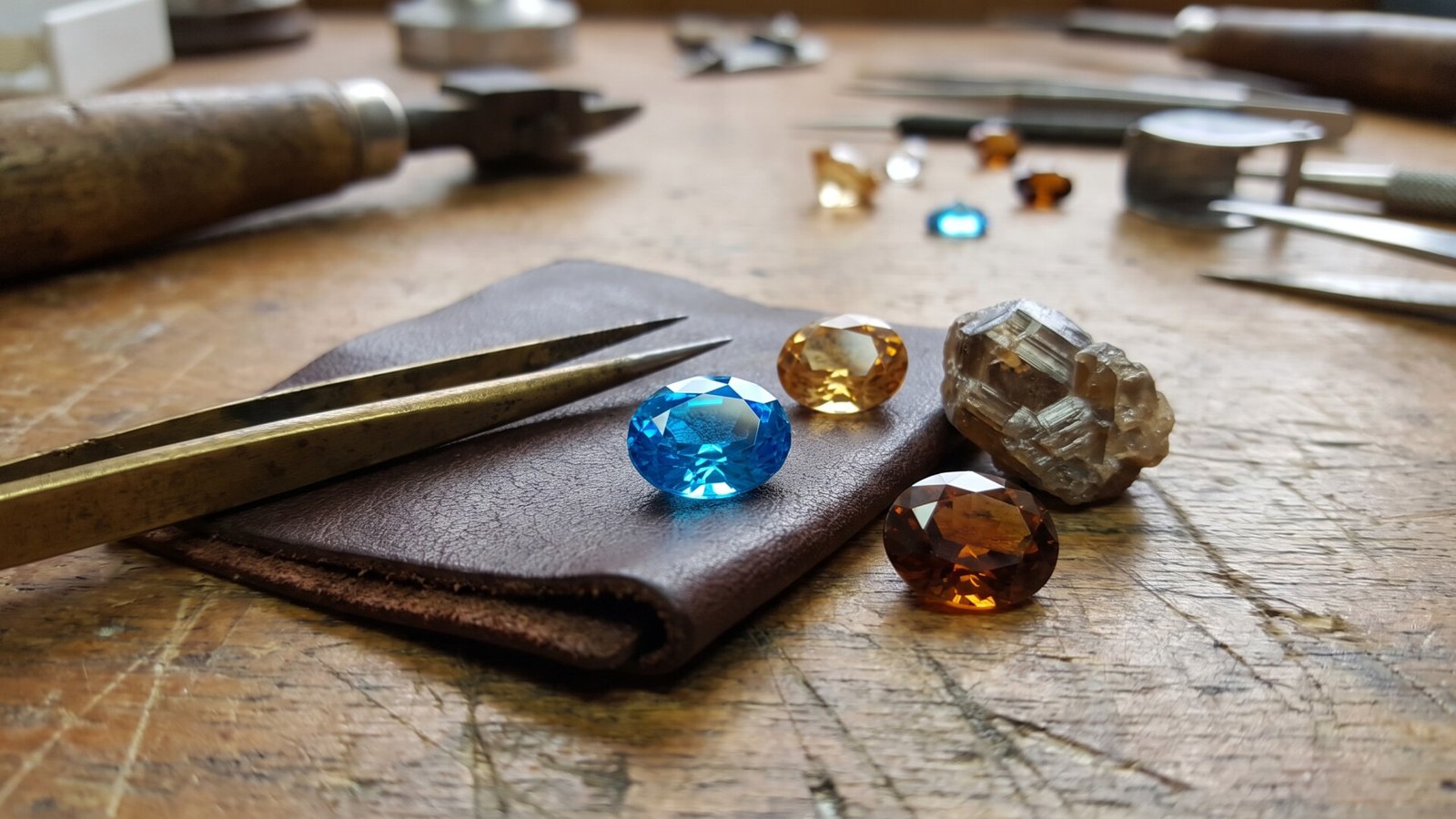
Zircon is a natural silicate mineral prized for its exceptional brilliance, fiery dispersion, and remarkable range of colors — from icy blue to warm golden, from deep red to earthy brown. Its name likely comes from the Persian zargun, meaning “gold-colored.” But its meaning has grown far beyond that simple definition.
This guide covers everything you need to know about zircon’s meaning: its ancient origins, its symbolism across cultures, its spiritual and emotional associations, its role in astrology and birthstones, and how to choose the right zircon for your needs. Whether you’re a December baby, a Sagittarius or Capricorn, or simply someone drawn to the brilliance of this remarkable gem, you’re about to discover why zircon deserves far more recognition than it typically receives.
Zircon at a Glance
Before we dive deep into its meaning, here’s a quick reference guide to zircon’s key characteristics.
| Feature | Details |
|---|---|
| Mineral | Zircon (zirconium silicate) |
| Color | Blue, white, golden, brown, green, red, orange, yellow |
| Hardness | 6.5–7.5 (Mohs scale) |
| Birthstone Month | December |
| Zodiac Associations | Sagittarius, Capricorn |
| Anniversary | 4th Wedding Anniversary |
| Symbolism | Wisdom, prosperity, protection, clarity, confidence |
What Does Zircon Symbolize?
Zircon’s symbolism is one of the most intriguing of any gemstone — deeply connected to wisdom, prosperity, protection, and the enduring power of the earth itself.
Wisdom
Zircon has long been associated with wisdom and intellectual clarity. In the Middle Ages, it was believed to promote wisdom, honor, and sound judgment in its owner. Today, it’s considered a “Stone of Virtue” that helps the wearer think clearly and make sound decisions.
Prosperity and Good Fortune
Throughout history, zircon has been linked to prosperity and abundance. It was thought to bring riches and good fortune to those who possessed it. The stone’s golden and warm colors naturally evoke wealth and success, making it a powerful symbol of material and spiritual prosperity.
Protection
Zircon has been worn as a protective talisman for centuries. In the Middle Ages, it was believed to drive away evil spirits, ward off plagues, and induce sound sleep. Its protective energy is thought to shield the wearer from negative influences and harm.
Mental Clarity
Zircon is associated with mental clarity and focus. It’s believed to help the wearer become more organized, make better decisions, and see situations with greater clarity.
Confidence
Zircon symbolizes confidence and self-assurance. It’s a stone for those who need to trust their own judgment, speak their truth, and pursue their goals with conviction.
Spiritual Growth
Zircon is believed to aid in spiritual development and connection to higher wisdom. It’s used in meditation to develop psychic intuition and clear negative energy.
Why Zircon Became Associated With Wisdom
Zircon’s association with wisdom likely stems from its remarkable age. Holding a zircon is like holding a piece of Earth’s ancient history — a reminder of the patience, endurance, and vastness of geological time. This connection to the deep past naturally evokes wisdom and perspective.
The Symbolism Behind Zircon’s Brilliance
Zircon has one of the highest refractive indices of any gemstone, giving it exceptional brilliance and fire. This dazzling sparkle symbolizes clarity, enlightenment, and the ability to see through illusion. It’s a stone that “clears negative energy” and helps the wearer “become more productive and formulate better decisions efficiently”. Its fire represents the light of understanding — the illumination that comes from wisdom and insight.
The History of Zircon Meaning
Zircon is one of the oldest known gemstones, with a history that stretches back to the very formation of our planet. Its meaning has evolved across civilizations, each adding layers to its rich symbolism.
Ancient Origins and Biblical References
Zircon’s history is as old as Earth itself. The oldest zircon crystals ever discovered — found in the Jack Hills of Western Australia — have been dated to 4.4 billion years old. These tiny crystals are the oldest known materials on Earth, formed during the Hadean eon when our planet was still cooling.
In the Bible, zircon is mentioned as “jacinth” — one of the twelve gemstones set in the breastplate of Aaron, the High Priest of Israel. It was also listed among the foundation stones of the New Jerusalem. This sacred association gave zircon a special status in early religious traditions.
Ancient Trade Routes
Zircon was traded along ancient routes that stretched across Asia, the Middle East, and Europe. Its name likely comes from the Persian zargun, meaning “gold-colored,” or the Arabic zarkun, meaning “red” or “vermilion”. Both origins are plausible given zircon’s remarkable color range.
Medieval Europe: Sleep, Protection, and Prosperity
In the Middle Ages, zircon was believed to possess powerful properties. It was thought to induce sound sleep, drive away evil spirits, and promote riches, honor, and wisdom. People also believed it could heal madness, reduce temptation, and improve intelligence. It was said to bring prosperity to its owner and drive away plagues and evil spirits.
Victorian Era: Blue Zircon’s Golden Age
Blue zircon became particularly popular during the Victorian era. It was frequently featured in English estate jewelry dating from the 1880s. The Victorians appreciated zircon’s brilliance and fire, often setting it in elaborate pieces alongside diamonds and other precious gems.
George Kunz and the “Starlite” Proposal
The renowned gemologist George Kunz, Tiffany & Co.’s famous gem buyer, was a notable advocate of zircon. He once proposed the name “starlite” to promote the gem’s fiery nature. The name never caught on, but Kunz’s enthusiasm helped elevate zircon’s status in the jewelry world.
The Cubic Zirconia Confusion
In the early 1900s, colorless zircon was widely used as a diamond simulant. Later, synthetic cubic zirconia was developed and became a popular diamond alternative. The similar names created lasting confusion — and zircon’s reputation suffered. Today, many people still don’t realize that natural zircon is a beautiful, ancient gemstone in its own right.
Modern Symbolism
Today, zircon’s meaning encompasses all of these historical associations — and more. It’s the stone of wisdom, prosperity, and protection. It’s used in meditation, crystal healing, and jewelry. And its wide range of colors makes it one of the most versatile gemstones for modern wear.
How the Meaning of Zircon Has Changed Over Time
| Time Period | Primary Meaning |
|---|---|
| Ancient Civilizations | Sacred gemstone; protection; divine favor |
| Medieval Europe | Sleep; protection against evil; prosperity; wisdom |
| Victorian Era | Beauty; brilliance; estate jewelry |
| Modern Jewelry Industry | Clarity; confidence; underrated beauty |
| Contemporary Crystal Culture | Wisdom; prosperity; mental clarity; grounding |
This evolution reflects broader cultural shifts. In ancient times, zircon was valued for its sacred and protective properties. In the Middle Ages, it was prized for its physical and spiritual benefits. Today, it’s valued for its emotional and intellectual symbolism — a shift from external protection to internal clarity.
Zircon in Different Cultures
Zircon has been treasured across cultures and continents. Here’s how different traditions have interpreted its meaning.
Hindu Traditions
In the Indian tale of the Kalpa tree, Hindu poets spoke of a wish-fulfilling tree with golden roots, diamond fruits, silver trunks, pearl flowers, and leaves made of zircon. Whoever rests under its shade is said to have their dreams granted reality. This beautiful mythology connects zircon to abundance, manifestation, and the fulfillment of desires.
Biblical Symbolism
In the Bible, zircon is called “jacinth” and was one of the twelve gemstones placed in the foundation of the city walls of Jerusalem. It was also set in the breastplate of Aaron, the High Priest. This sacred association gave zircon a special status in early religious traditions.
European Folklore
In medieval Europe, zircon was believed to promote sleep, drive away evil spirits, and bring prosperity and wisdom. It was also thought to increase ingenuity, glory, and wealth. Blue zircon was especially popular in Victorian estate jewelry.
Middle Eastern Trade History
Zircon’s name reflects its long history in Middle Eastern trade. The Persian zargun (“gold-colored”) and Arabic zarkun (“red”) both point to the gemstone’s importance in ancient trade routes.
Modern Western Crystal Practices
Today, zircon is widely used in meditation, crystal healing, and fine jewelry. It’s associated with the root chakra (grounding) and solar plexus chakra (personal power). It’s believed to help with healing, wisdom, and prosperity.
Common Themes Across Cultures
Despite their differences, most cultures share some common beliefs about zircon:
- It represents wisdom and clarity.
- It offers protection against harm.
- It brings prosperity and good fortune.
- It promotes restful sleep.
- Its brilliance represents enlightenment.
Key Differences
The main difference lies in the specific application:
- Hindu traditions emphasize manifestation and abundance.
- Biblical traditions emphasize sacredness and divine favor.
- Medieval traditions emphasize protection and physical healing.
- Modern practitioners emphasize emotional and intellectual clarity.
Spiritual Meaning of Zircon
Note: The following information is based on cultural and spiritual beliefs, not established scientific fact. Zircon’s spiritual properties are matters of tradition and personal experience, not medical evidence.
Zircon’s spiritual meaning is deeply connected to wisdom, clarity, and personal empowerment.
Wisdom and Mental Clarity
Zircon is known as a “Stone of Virtue” that brings wisdom, honor, and clarity to its wearer. It’s believed to help the wearer become more organized, think more clearly, and make better decisions. It “helps one become more productive and formulate better decisions efficiently”.
Protection
Zircon is a powerful protective stone. It’s believed to ward off evil spirits, negative energy, and harmful influences. It “clears negative energy” and has a “protective aura”.
Prosperity and Abundance
Zircon is associated with wealth and prosperity. It’s believed to attract abundance, success, and good fortune to its wearer.
Grounding and Balance
Zircon is connected to the root chakra, helping the wearer stay grounded and centered. It’s also associated with the solar plexus chakra, strengthening the connection between body and mind. It “helps them feel more balanced, physically, emotionally and spiritually”.
Personal Growth
Zircon is believed to support personal growth and emotional healing. It helps the wearer “let go of old feelings” and “reevaluate what is important in life”. It aids in “releasing negative energy and easing stress or anxiety”.
Positive Energy
Zircon is said to attract positive energy and help manifest goals. It’s a stone for those seeking to “reconnect with your forgotten dreams and to gather the courage to bring it into reality”.
Emotional Meaning of Zircon
Beyond its spiritual associations, zircon carries powerful emotional meaning.
Building Self-Confidence
Zircon boosts self-confidence and self-esteem. It helps the wearer trust their own judgment and pursue their goals with conviction. It’s a stone for those who need courage to take bold steps.
Staying Grounded
Zircon’s grounding properties help the wearer stay centered and present. It’s especially helpful for those who feel scattered, anxious, or overwhelmed.
Emotional Stability
Zircon promotes emotional balance and stability. It helps the wearer navigate difficult emotions without becoming overwhelmed. It’s “said to help with feelings of grief, sadness, anxiety, and fear”.
Finding Direction
Zircon helps the wearer clarify their goals and priorities. It “helps one become more organized” and supports clear thinking and decision-making.
Hope for New Beginnings
Zircon is a stone of hope and renewal. It’s “a stone to awaken long-lost desires and bring them back to life”. It’s perfect for anyone starting a new chapter in life.
Which Color Zircon Best Matches Your Goals?
Not all zircons are the same. Different colors offer different aesthetics and, for those who believe in crystal energy, different symbolic meanings.
Blue Zircon
Blue zircon is the most popular variety in commercial jewelry. It’s associated with wisdom, confidence, and prosperity. Blue zircon is said to help manifest goals, attract positive energy, and release negative energy.
- Best for: Wisdom and communication.
- Symbolism: Wisdom, confidence, prosperity, and focus.
White Zircon (Colorless)
White zircon is often called “Matura diamond” for its diamond-like brilliance. It’s associated with clarity, new beginnings, and spiritual purity.
- Best for: Clarity and new beginnings.
- Symbolism: Purity, enlightenment, and higher consciousness.
Golden Zircon
Golden zircon ranges from pale yellow to deep gold. It’s associated with prosperity and optimism.
- Best for: Prosperity and optimism.
- Symbolism: Wealth, abundance, and positive energy.
Green Zircon
Green zircon is less common but beautiful. It’s associated with growth and renewal.
- Best for: Growth and renewal.
- Symbolism: Healing, balance, and personal growth.
Red Zircon
Red zircon is one of the rarest and most treasured varieties. It’s associated with confidence and vitality. It displays remarkable brilliance and vivid fire.
- Best for: Confidence and vitality.
- Symbolism: Passion, courage, and vitality.
Brown Zircon
Brown zircon is earthy and grounding. It’s associated with stability and connection to the earth.
- Best for: Grounding and stability.
- Symbolism: Stability, grounding, and patience.
| Zircon Variety | Color | Traditional Symbolism | Best For | Relative Rarity |
|---|---|---|---|---|
| Blue Zircon | Sky to deep blue | Wisdom, confidence, prosperity | Communication, manifestation | Common |
| White Zircon | Colorless | Clarity, purity, new beginnings | Diamond alternative | Common |
| Golden Zircon | Yellow to gold | Prosperity, abundance, optimism | Wealth, success | Common |
| Green Zircon | Green | Growth, renewal, healing | Personal growth | Rare |
| Red Zircon | Crimson to pinkish red | Confidence, passion, vitality | Courage, vitality | Very rare |
| Brown Zircon | Brown to earthy | Grounding, stability, patience | Stability, grounding | Common |
Zircon and Astrology
Zircon is associated with two zodiac signs: Sagittarius and Capricorn.
Sagittarius (November 22 – December 21)
Sagittarius is a fire sign ruled by Jupiter. Sagittarians are adventurous, optimistic, and love freedom. Zircon’s wisdom and clarity support Sagittarius’ philosophical nature. Its association with prosperity aligns with Sagittarius’ love of abundance and adventure.
Capricorn (December 22 – January 19)
Capricorn is an earth sign ruled by Saturn. Capricorns are disciplined, ambitious, and hardworking. Zircon’s grounding and protective properties support Capricorn’s practical, goal-oriented nature. Its association with wisdom and prosperity aligns with Capricorn’s long-term thinking.
Jupiter and Saturn Symbolism
Zircon’s association with Jupiter (Sagittarius’ ruling planet) links it to growth, wisdom, and expansion. Its association with Saturn (Capricorn’s ruling planet) links it to discipline, structure, and stability.
Why Astrologers Associate Zircon With Wisdom and Stability
Astrologers recommend zircon for Sagittarius to support their philosophical growth and for Capricorn to ground their ambition. Its protective and clarifying energy makes it a powerful stone for both signs.
For more details, explore our Sagittarius Birthstone Guide, Capricorn Birthstone Guide, and Zodiac Birthstones Hub]
Zircon as a Birthstone
December Birthstone
Zircon is one of the modern birthstones for December, along with turquoise, tanzanite, and blue topaz. It became a December birthstone because it comes in blues similar to turquoise, the other birthstone for that month. Its variety of colors gives December babies a lot of choice.
Anniversary Gemstone
Zircon is often associated with the 4th wedding anniversary. Its symbolism of wisdom, prosperity, and enduring love makes it a meaningful choice for celebrating a milestone in partnership.
Gift Symbolism
Giving zircon as a gift carries deep meaning. It symbolizes:
- Wisdom: You value the recipient’s judgment.
- Prosperity: You wish them abundance and success.
- Protection: You want to keep them safe.
- Clarity: You support their growth and self-understanding.
- Confidence: You believe in their abilities.
Learn more in our December Birthstone Guide and [Birthstone Jewelry Guides].
Zircon in Jewelry
Zircon’s brilliance, fire, and wide color range make it a stunning choice for jewelry. Its durability (6.5–7.5 on the Mohs scale) makes it suitable for many types of jewelry, though it should be worn with care due to its brittleness.
Rings
Zircon rings are popular in blue, white, and golden varieties. Blue zircon rings are especially prized for their brilliance. Zircon’s hardness makes it suitable for rings, but protective settings are recommended.
Necklaces
Zircon pendants are elegant and versatile. A single zircon on a simple chain can be worn with anything. The stone’s brilliance catches light beautifully.
Earrings
Zircon studs are classic and professional. Drop earrings and chandeliers make a statement for special occasions. Blue zircon earrings are especially popular.
Bracelets
Zircon tennis bracelets and bead bracelets offer elegant everyday options. The stone’s fire adds sparkle to any wrist.
Men’s Jewelry
Zircon is increasingly popular in men’s jewelry — signet rings, cufflinks, and minimalist pendants. Its brilliance and color range make it a sophisticated choice.
Vintage Jewelry
Zircon has a long history in vintage jewelry, especially Victorian-era pieces. Its fire and brilliance made it a favorite of Victorian jewelers.
Why Natural Zircon Deserves More Recognition
Zircon has been overshadowed by the confusion with cubic zirconia. But natural zircon is a remarkable gemstone in its own right — one of the oldest minerals on Earth, with extraordinary brilliance and fire. As more people discover the difference, zircon is regaining its rightful place in fine jewelry.
How to Choose Zircon
When selecting a zircon, consider these factors.
Choosing the Right Color
Decide which zircon color best matches your goals. Blue for wisdom and communication. White for clarity and new beginnings. Golden for prosperity and optimism. Red for confidence and vitality.
Natural vs Treated Zircon
Most zircon is natural, but some stones are heat-treated to enhance color. Blue zircon, in particular, is often heat-treated to achieve its vibrant color. Heat treatment is permanent and stable. Natural, unheated stones are rarer and more valuable.
Clarity
Zircon often has inclusions, but eye-clean stones are more valuable. Look for stones with good transparency and minimal inclusions.
Cut
A well-cut zircon maximizes brilliance and fire. Look for stones with good symmetry and even facets.
Geographic Origins
Australia leads the world in zircon mining, producing 37 percent of the world’s supply. Other sources include Thailand, Sri Lanka, Tanzania, Cambodia, Canada, and the United States.
For more details, explore our [Zircon Buying Guide] and Natural vs. Lab-Grown Gemstones.
Caring for Zircon Jewelry
Cleaning
Warm, soapy water and a soft cloth are safe for zircon. Avoid ultrasonic cleaners and steam cleaners, which can damage the stone. Never use harsh chemicals or abrasive cleaners.
Safe Storage
Store zircon separately from harder stones (diamond, sapphire, ruby) to prevent scratching. Use individual soft pouches or compartmentalized boxes.
Everyday Wear
Zircon’s hardness of 6.5–7.5 makes it suitable for everyday wear in earrings, necklaces, and bracelets. For rings, especially those worn daily, protective settings are recommended.
Preventing Damage
Zircon can be brittle and its faceted edges can chip. Avoid wearing zircon jewelry during activities that might cause impact or abrasion.
Common Myths About Zircon Meaning
Myth: Zircon Is the Same as Cubic Zirconia
This is the most persistent myth about zircon — and it’s entirely false. Zircon is a natural gemstone. Cubic zirconia is a synthetic material made in a laboratory. They share part of a name but are completely different.
Myth: Zircon Is a Synthetic Gemstone
Zircon is a 100% natural gemstone. It has been mined from the earth for thousands of years. Cubic zirconia is synthetic, but natural zircon is a real, naturally occurring mineral.
Myth: Blue Zircon Is Naturally Blue
Most blue zircon on the market has been heat-treated to achieve its color. Natural blue zircon exists but is rare. Heat treatment is standard, permanent, and accepted.
Myth: Zircon Has Always Been Overshadowed by Diamonds
While zircon was used as a diamond simulant in the early 1900s, it has a rich history of its own. It was prized in ancient times, mentioned in the Bible, and popular in Victorian jewelry. Its association with diamonds is a relatively recent development.
Why Zircon Is One of Earth’s Oldest — and Most Misunderstood — Gemstones
Most zircon meaning articles skip this section, but it’s essential to understanding zircon’s true significance.
Zircon’s Geological Age
Zircon is the oldest mineral on Earth. Some zircon crystals found in Western Australia have been dated to 4.4 billion years old. They formed during the Hadean eon, just 100-150 million years after the solar system itself.
Why Scientists Study Zircon Crystals
Zircon crystals are like time capsules. They contain important clues about the formation of our planet. By studying them, scientists have learned that early Earth was far cooler than previously believed, lacking the meteorite onslaught geologists had imagined.
The Cubic Zirconia Confusion
In the early 1900s, colorless zircon was used as a diamond simulant. Later, synthetic cubic zirconia was developed and became a popular diamond alternative. The similar names created lasting confusion. Today, many people still don’t realize that natural zircon is a beautiful, ancient gemstone in its own right.
Why Natural Zircon Is Regaining Popularity
As more people learn the difference between zircon and cubic zirconia, natural zircon is regaining its rightful place in fine jewelry. Its exceptional brilliance, fire, and color range make it a compelling alternative to more expensive stones.
Scientific History vs Symbolic Meaning
Zircon’s scientific significance — its incredible age and role in understanding Earth’s formation — adds depth to its symbolic meaning. When you hold a zircon, you’re holding a piece of Earth’s ancient history. That connection to the deep past evokes wisdom, endurance, and perspective.
How to Choose the Right Zircon Based on Its Meaning
For Wisdom
Choose a blue zircon in a ring or pendant. Its association with wisdom and clarity supports sound judgment and clear thinking.
For Prosperity
Choose a golden zircon. Its warm color represents abundance and success.
For Confidence
Choose a blue or red zircon. Blue for self-assurance; red for courage and vitality.
For Protection
Choose any zircon, especially blue or brown varieties. Its protective energy is believed to guard against negative influences.
For Everyday Jewelry
Choose a blue or white zircon in a protective setting. Its brilliance and durability make it suitable for daily wear.
Final Thoughts: What Does Zircon Really Mean?
Zircon’s meaning has evolved over millennia — from a sacred stone in ancient religious traditions to a protective talisman in the Middle Ages to a modern symbol of wisdom, prosperity, and clarity. But through all these changes, one thing has remained constant: zircon represents the enduring power of the earth itself.
Whether you’re drawn to its brilliant sparkle, its ancient history, or its modern spiritual associations, zircon offers something meaningful. It’s a stone that connects us to the deepest past — to the formation of our planet, to ancient trade routes, to the wisdom of medieval healers. And it’s a stone that connects us to ourselves — to our own capacity for wisdom, clarity, and prosperity.
The most powerful meaning of zircon, however, is personal. It’s the meaning you assign to it. It’s the intention you set when you wear it. It’s the reminder you give yourself that you are wise, that you are capable of clarity, and that you deserve prosperity.
So whether you choose a blue zircon for wisdom, a golden zircon for abundance, or a white zircon for clarity, choose the zircon that resonates with you. Because the stone’s meaning is ultimately what you make of it.
Related Guides
- December Birthstone Guide
- Sagittarius Birthstone Guide
- Capricorn Birthstone Guide
- [Zircon Buying Guide]
- [Blue Zircon Guide]
- Natural vs. Lab-Grown Gemstones
- [Crystal Meanings Hub] (coming soon)
Frequently Asked Questions About Zircon Meaning
What is the spiritual meaning of zircon?
Zircon is spiritually associated with wisdom, mental clarity, prosperity, protection, and grounding. It’s believed to clear negative energy, help the wearer become more organized, and attract positive energy and abundance.
Is zircon the same as cubic zirconia?
No. Zircon is a natural gemstone. Cubic zirconia is a synthetic material made in a laboratory. They share part of a name but are completely different.
Why does zircon symbolize wisdom?
Do different colors of zircon have different meanings?
Yes. Blue zircon symbolizes wisdom and confidence. White zircon symbolizes clarity and new beginnings. Golden zircon symbolizes prosperity and optimism. Red zircon symbolizes passion and vitality. Brown zircon symbolizes grounding and stability.
Do different colors of zircon have different meanings?
Yes. Blue zircon symbolizes wisdom and confidence. White zircon symbolizes clarity and new beginnings. Golden zircon symbolizes prosperity and optimism. Red zircon symbolizes passion and vitality. Brown zircon symbolizes grounding and stability.
Which zodiac signs are associated with zircon?
Zircon is associated with Sagittarius and Capricorn. It supports Sagittarius’ love of adventure and wisdom and Capricorn’s ambition and stability.
What does gifting zircon symbolize?
Giving zircon symbolizes wisdom, prosperity, protection, clarity, and confidence. It’s a gesture of support for the recipient’s growth and success.
Is there scientific evidence for zircon's spiritual properties?
No. Zircon’s spiritual and healing properties are matters of cultural tradition and personal experience, not established science. Its meaning comes from thousands of years of human belief and the stone’s remarkable geological history.
Ready to find your zircon? Browse our collections below.
[Shop Zircon Jewelry at Blue Nile]
[Shop Zircon Rings at James Allen]
[Shop Ethical Zircon at Brilliant Earth]
[Explore More Birthstone & Crystal Guides]