Citrine Meaning: History, Symbolism, Spiritual Properties & Modern Uses
For years, I assumed citrine was just a cheap yellow stone. The poor man’s topaz. Something you bought at a mall jewelry counter because you couldn’t afford the real thing. Then I started learning about its history. The ancient Egyptians used it as a talisman for prosperity. Roman priests fashioned it into rings. And today, it’s the November birthstone — a symbol of abundance, confidence, and the golden warmth of autumn.
That’s the thing about citrine. It’s not just a yellow stone. It’s a stone with a story that spans millennia and connects us to ancient civilizations, medieval healers, and the Hollywood elite.
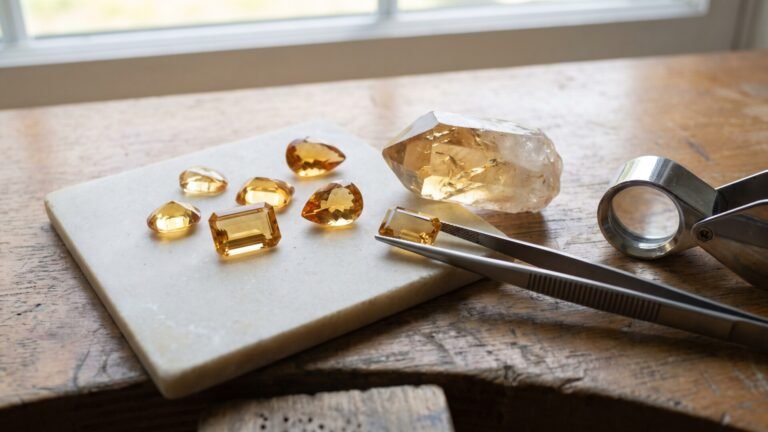
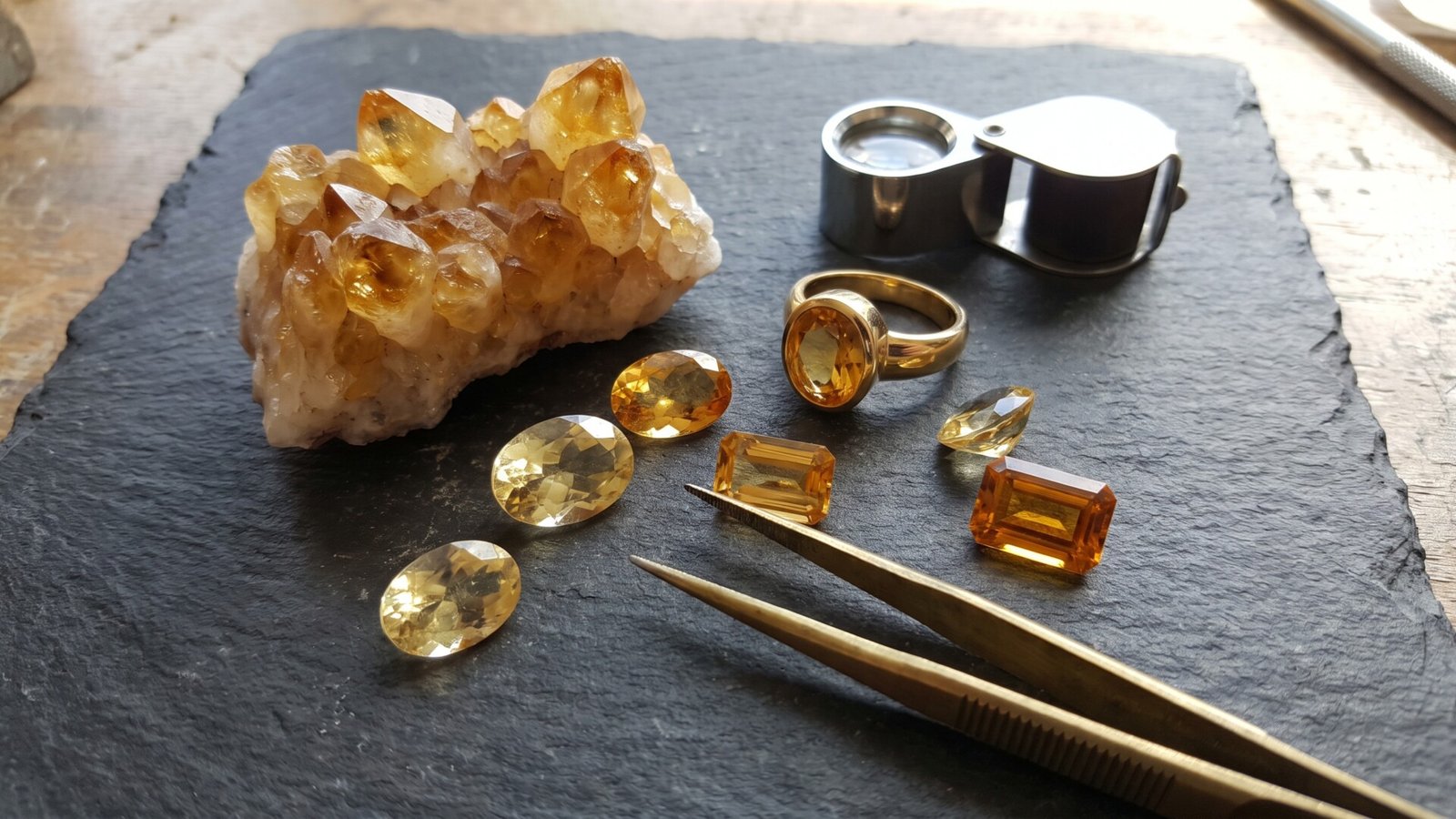
Citrine is the transparent yellow-to-orange variety of quartz, prized for its warm, sunlit color and remarkable affordability. Its name comes from the Old French citrin, meaning “lemon” — a nod to its bright, citrus-like hue. But its meaning has grown far beyond that simple definition.
This guide covers everything you need to know about citrine’s meaning: its ancient origins, its symbolism across cultures, its spiritual and emotional associations, its role in astrology and birthstones, and how to choose the right citrine for your needs. Whether you’re a November baby, a Sagittarius or Scorpio, or simply someone drawn to the warmth of this remarkable gem, you’re about to discover why citrine has captivated humanity for millennia.
Citrine at a Glance
Before we dive deep into its meaning, here’s a quick reference guide to citrine’s key characteristics.
| Feature | Details |
|---|---|
| Mineral | Quartz (silicon dioxide) |
| Color | Pale yellow to deep golden-orange to reddish orange |
| Hardness | 7 (Mohs scale) |
| Birthstone Month | November |
| Zodiac Associations | Sagittarius, Scorpio |
| Anniversary | 13th Wedding Anniversary |
| Symbolism | Abundance, confidence, joy, success, creativity, prosperity |
What Does Citrine Symbolize?
Citrine’s symbolism is one of the richest of any gemstone — warm, optimistic, and deeply connected to success and prosperity.
Abundance and Prosperity
Citrine has long been known as the “Merchant’s Stone” or “Money Stone.” People believed that carrying or wearing citrine would attract wealth, success, and good fortune. Its golden-yellow color naturally evokes gold and material success, making it a powerful symbol of financial abundance.
Confidence
Citrine is believed to boost self-confidence and personal power. It helps the wearer overcome self-doubt, fear, and anxiety. It’s a stone for those who need courage to face challenges or make bold decisions.
Optimism and Joy
Citrine is called the “happy stone” for good reason. Its cheerful, sunny color is believed to uplift the spirit, dispel negativity, and encourage a positive outlook on life. It’s a stone that reminds us to find joy in the present moment.
Creativity
Citrine fires up creativity and imagination. It’s a stone for artists, writers, and anyone who needs to tap into their creative potential. It helps clear mental blocks and encourages innovative thinking.
Personal Success
Citrine is often referred to as the “success stone.” Its association with manifestation, wealth, and imagination makes it a popular choice for entrepreneurs and anyone striving for achievement.
Positive Energy
Among the ancients and mystics, citrine is said to carry the power and energy of the sun. Unlike some crystals, it will not absorb negative energy — it repels it instead. This makes it an excellent stone for maintaining a positive, uplifting environment.
Why Citrine Is Known as the “Merchant’s Stone”
The nickname “Merchant’s Stone” developed through centuries of folklore. Merchants and traders carried citrine to attract customers and ensure profitable transactions. The belief was that citrine’s golden color would draw wealth and success to its owner. This tradition continues today, with many entrepreneurs and business owners keeping citrine on their desks or in their wallets.
The Meaning Behind Citrine’s Golden Color
Yellow is the color of the sun, of gold, of abundance. Citrine’s warm, golden hue symbolizes optimism, prosperity, and the life-giving energy of sunlight. Its color reminds us of the harvest, of abundance gathered in, of the rewards of hard work. This is why citrine is the perfect stone for the autumn month of November — a time of harvest, gratitude, and preparation for the winter ahead.
The History of Citrine Meaning
Citrine is one of the oldest known gemstones, with a history stretching back thousands of years. Its meaning has evolved across civilizations, each adding layers to its rich symbolism.
Ancient Egypt: Talismans for Prosperity
The ancient Egyptians used citrine as talismans for protection and prosperity. They believed the stone could calm tempers, soothe anger, and manifest desires. Citrine was valued for its golden color, which symbolized the sun and its life-giving energy. The Egyptians carved citrine into amulets and ornaments, believing it would bring good fortune and protect against harm.
Ancient Greece and Rome: Decorative Gems and Rings
During the Hellenistic Age (300–150 BCE), the ancient Greeks used citrine as decorative stones. The gemstone was prized for its unique color and believed to have protective powers. They carved iconic images into citrine, creating intaglios and cameos.
Roman priests fashioned citrine into rings, valuing the stone for its beauty and its association with prosperity. In both cultures, citrine was often confused with yellow topaz, as their similar colors made them difficult to distinguish. This confusion intertwined the symbolism of the two stones for centuries.
Medieval Europe: Protection Against Negative Influences
During the Middle Ages, citrine was used by healers and royalty. It was believed to protect against evil thoughts, heartache, and even snake venom. Healers used citrine to soothe anger and manifest desires, especially wealth. The gemstone was thought to have a cooling effect and could alleviate nocturnal fears.
Art Deco Era: Citrine’s Rise in Luxury Jewelry
In the mid-18th century, mineralogists discovered that amethyst and smoky quartz could be heat-treated to produce citrine’s golden hues. This discovery dramatically increased the availability of citrine, making it more accessible to a wider audience.
Citrine reached new heights of popularity during the Art Deco period, when its warm yellow and orange tones perfectly complemented the geometric, platinum-and-diamond designs of the era. The Hollywood elite embraced citrine, and it became a staple of high-end jewelry. Today, it remains one of the most frequently purchased yellow gemstones.
Modern Symbolism
Today, citrine’s meaning encompasses all of these historical associations — and more. It’s the stone of abundance, confidence, and success. It’s used in meditation, crystal healing, and jewelry. And its warm, golden color makes it one of the most popular gemstones for autumn and winter jewelry.
How Citrine’s Meaning Has Changed Over Time
| Time Period | Primary Meaning |
|---|---|
| Ancient Egypt | Talisman for prosperity and protection |
| Ancient Greece | Decorative gem; protective powers |
| Roman Empire | Rings for priests; association with prosperity |
| Middle Ages | Protection against evil thoughts, heartache, and venom |
| Art Deco Period | Luxury jewelry; Hollywood glamour |
| Modern Crystal Culture | Abundance, confidence, success, positivity |
This evolution reflects broader cultural shifts. In ancient times, citrine was valued for its protective properties. Today, it’s valued for its prosperity and success symbolism — a shift from external protection to internal empowerment and wealth attraction.
Citrine in Different Cultures
Citrine has been treasured across cultures and continents. Here’s how different traditions have interpreted its meaning.
Ancient Mediterranean Cultures
Egyptians used citrine as talismans for protection and prosperity. Greeks carved it into decorative stones and believed it had protective powers. Roman priests fashioned citrine into rings, valuing it for its beauty and its association with wealth.
European Traditions
In medieval Europe, citrine was used by healers and royalty. It was believed to protect against evil thoughts, heartache, and snake venom. Healers used it to soothe anger and manifest desires, especially wealth.
Eastern Symbolism and Feng Shui
In Feng Shui, citrine is associated with abundance and prosperity. It is often placed in the wealth corner of a room or house to attract financial abundance. Its golden color is believed to radiate Earth element energy, attracting wealth and boosting career success. Citrine trees and wealth bowls are popular Feng Shui items, used to attract prosperity and positive energy.
Modern Western Crystal Practices
Today, citrine is one of the most popular stones in Western crystal healing. It’s used for meditation, mindfulness, and manifestation. Its association with the solar plexus chakra makes it a powerful tool for building confidence and personal power.
Common Themes Across Cultures
Despite their differences, most cultures share some common beliefs about citrine:
- It attracts wealth and prosperity.
- It promotes optimism and positive energy.
- It offers protection against negativity.
- Its golden color symbolizes the sun and life-giving energy.
Where Interpretations Differ
The main difference lies in the specific application:
- Ancient cultures focused on protection and magical properties.
- Eastern traditions emphasize Feng Shui placement for wealth.
- Modern practitioners emphasize personal empowerment and success.
Spiritual Meaning of Citrine
Note: The following information is based on cultural and spiritual beliefs, not established scientific fact. Citrine’s spiritual properties are matters of tradition and personal experience, not medical evidence.
Citrine’s spiritual meaning is deeply connected to abundance, confidence, and positive energy.
Abundance and Manifestation
Citrine is a powerful stone for manifesting abundance. Its golden color represents wealth, success, and material prosperity. It’s believed to attract financial opportunities and help the wearer achieve their goals. Many people place citrine in their wallet or purse as a talisman for good fortune.
Confidence and Personal Power
Citrine is associated with the solar plexus chakra, the energy center connected to personal power and self-confidence. It helps the wearer overcome self-doubt, fear, and anxiety. It’s a stone for those who need courage to face challenges or make bold decisions.
Motivation and Drive
Citrine is a stone of action. It motivates the wearer to pursue their goals with determination and persistence. It’s especially helpful for those who feel stuck or lacking in energy. It fires up creativity and maintains the balance of energies.
Joy and Positivity
Citrine’s cheerful, sunny color is believed to uplift the spirit and dispel negativity. It promotes a sense of happiness and light. It’s a stone that reminds us to find joy in the present moment and maintain a positive outlook on life.
Creativity and Imagination
Citrine stimulates creativity and imagination. It helps clear mental blocks and encourages innovative thinking. It’s a stone for artists, writers, and anyone who needs to tap into their creative potential.
Personal Growth
Citrine encourages personal growth and self-improvement. It helps the wearer identify their goals and pursue them with confidence. It supports self-esteem and encourages the wearer to embrace their full potential.
Positive Mindset
Citrine is believed to help heal the mind’s feelings of inadequacy by neutralizing negative thoughts, giving calmness and mental well-being to its wearer. It’s a stone that encourages optimism and a positive mindset.
Emotional Meaning of Citrine
Beyond its spiritual associations, citrine carries powerful emotional meaning.
Building Self-Confidence
Citrine is a stone of self-confidence. It helps the wearer believe in their own abilities and trust their decisions. It’s especially helpful for those who struggle with imposter syndrome or self-doubt.
Overcoming Negativity
Citrine is believed to help overcome negativity. It doesn’t absorb negative energy — it repels it. This makes it an excellent stone for maintaining a positive, uplifting environment and protecting against the negativity of others.
Emotional Resilience
Citrine encourages emotional resilience. It helps the wearer bounce back from setbacks and maintain a positive outlook even during difficult times. Its warm, sunny energy provides comfort and hope.
Finding Motivation
Citrine is a stone of motivation. It helps the wearer overcome procrastination and take action toward their goals. It’s especially helpful for those who feel stuck or lacking in energy.
Encouraging Optimism
Citrine’s cheerful, sunny color is believed to uplift the spirit and encourage optimism. It reminds the wearer to find joy in the present moment and maintain a positive outlook on life.
Which Type of Citrine Best Matches Your Goals?
Not all citrines are the same. Different varieties offer different aesthetics and, for those who believe in crystal energy, different energetic properties.
Pale Yellow Citrine
Pale yellow citrine is the lightest shade of the gemstone. It’s often natural citrine, which tends to be paler in color.
- Best for: Everyday jewelry, delicate pieces, and those who prefer subtle colors.
- Symbolism: Gentle optimism, clarity, and mental focus. The pale yellow represents the first light of dawn — the beginning of a new day.
Golden Citrine
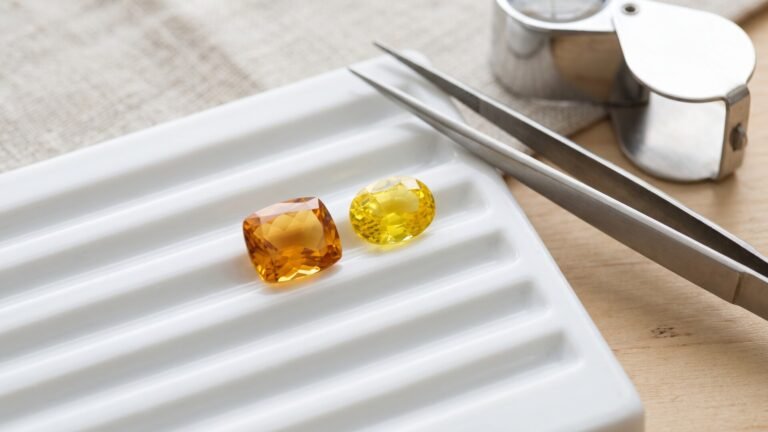
Golden citrine is the most common shade, ranging from warm yellow to honey-gold. Much of this is heat-treated amethyst.
- Best for: Prosperity symbolism, career success, and everyday wear.
- Symbolism: Abundance, wealth, and the warmth of the sun. The golden color represents the harvest and the rewards of hard work.
Madeira Citrine
Madeira citrine is the deepest, richest shade — orange to reddish orange, named after the famous Portuguese wine.
- Best for: Collectors, luxury jewelry, and those who want the most vibrant color.
- Symbolism: Passion, intensity, and deep abundance. The rich orange-red color represents the depth of prosperity and the fire of ambition.
Natural Citrine
Natural citrine is rare and tends to be pale yellow or smoky. It’s more sought after by collectors.
- Best for: Gemstone enthusiasts, collectors, and those who value natural origin.
- Symbolism: The rarity of natural color represents authenticity and genuine value.
Heat-Treated Citrine
Most citrine on the market is heat-treated amethyst. The treatment is permanent and stable.
- Best for: Everyday jewelry, budget-conscious buyers, and those who want vibrant color at an affordable price.
- Symbolism: The transformation from amethyst to citrine represents personal transformation and the ability to turn challenges into opportunities.
| Variety | Appearance | Traditional Symbolism | Best For |
|---|---|---|---|
| Pale Citrine | Light yellow, subtle | Gentle optimism, clarity | Everyday jewelry |
| Golden Citrine | Warm yellow to honey-gold | Abundance, wealth | Prosperity symbolism |
| Madeira Citrine | Orange to reddish orange | Passion, deep abundance | Collectors, luxury |
| Natural Citrine | Pale yellow, smoky | Authenticity, rarity | Gemstone enthusiasts |
| Heat-Treated Citrine | Vibrant golden-orange | Transformation, accessibility | Everyday wear, budget |
Citrine and Astrology
Citrine is associated with two zodiac signs: Sagittarius and Scorpio.
Sagittarius (November 22 – December 21)
Sagittarius is a fire sign ruled by Jupiter. Sagittarians are optimistic, adventurous, and philosophical. Citrine’s cheerful, optimistic energy aligns perfectly with Sagittarius’ natural enthusiasm and love of exploration. Its abundance symbolism supports the archer’s pursuit of success and good fortune.
Scorpio (October 23 – November 21)
Scorpio is a water sign ruled by Pluto and Mars. Scorpios are intense, passionate, and deeply emotional. Citrine’s warm, positive energy helps balance Scorpio’s intensity, encouraging optimism and lightening the sign’s sometimes heavy emotional load. Its confidence-boosting properties support Scorpio’s natural leadership abilities.
Jupiter and Solar Symbolism
Citrine’s association with Jupiter (Sagittarius’ ruling planet) and the sun (the source of its golden color) connects it to growth, luck, and vitality. The stone’s warm energy reflects the optimism and expansiveness of Jupiter, making it a natural choice for those seeking to attract abundance and success.
Why Astrologers Associate Citrine With Optimism and Growth
Astrologers associate citrine with Sagittarius because of its optimistic, expansive energy. For Scorpio, citrine offers balance — lightening the sign’s emotional intensity with warmth and positivity. The stone’s association with the sun and its golden color make it a natural choice for those born under the fire of Sagittarius or the transformative waters of Scorpio.
For more details, explore our Sagittarius Birthstone Guide, Scorpio Birthstone Guide, and Zodiac Birthstones Hub]
Citrine as a Birthstone
November Birthstone
Citrine is the modern birthstone for November, along with topaz. It has been associated with November for centuries, thanks to its warm golden color (which symbolizes the autumn month’s harvest and abundance) and its historical associations with prosperity and success.
Anniversary Gemstone
Citrine is the traditional gift for the 13th wedding anniversary. Its symbolism of abundance, confidence, and enduring success makes it a meaningful choice for celebrating more than a decade of partnership. It’s a stone that says, “Our love has grown and prospered.”
Gift Symbolism
Giving citrine as a gift carries deep meaning. It symbolizes:
- Prosperity: You wish the recipient wealth and success.
- Confidence: You believe in their abilities.
- Joy: You want them to experience happiness.
- Creativity: You value their imagination and potential.
- Abundance: You wish them a life of plenty.
Learn more in our November Birthstone Guide and [Birthstone Jewelry Guides].
Citrine in Jewelry
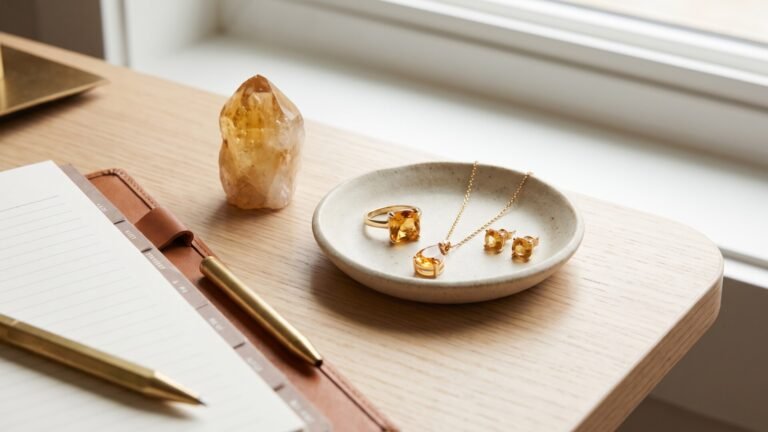
Citrine’s durability (7 on the Mohs scale), affordability, and stunning golden color make it one of the most popular gemstones for jewelry.
Rings
Citrine rings are popular for both everyday wear and special occasions. The stone’s warm color pops against yellow, white, and rose gold. Citrine is durable enough for rings but should be protected from hard knocks. Its hardness of 7 makes it scratch-resistant enough to be set into rings.
Necklaces
Citrine pendants are elegant and versatile. A single citrine stone on a simple chain can be worn with anything — from casual to formal. Layered necklaces with citrine charms are also popular. When worn close to the heart, citrine is said to increase self-esteem and bring emotional harmony and good fortune.
Earrings
Citrine studs are classic and professional. Drop earrings and chandeliers make a statement for special occasions. The warm golden color complements both cool and warm skin tones.
Bracelets
Citrine bead bracelets are affordable, stackable, and perfect for everyday wear. Tennis bracelets with citrine stones offer a more elegant option.
Men’s Jewelry
Citrine is increasingly popular in men’s jewelry — signet rings, cufflinks, and minimalist pendants. Its warm golden color is sophisticated without being flashy.
Everyday Wear
Citrine’s hardness of 7 makes it suitable for everyday wear in earrings, necklaces, and bracelets. For rings, especially those worn daily, protective settings are recommended.
Why Citrine Continues to Grow in Popularity
Citrine remains one of the most affordable and frequently purchased yellow gemstones. Its warm color, durability, and affordability make it accessible to a wide range of buyers. It’s also available in large sizes up to 20 carats or more, with the price per carat not rising dramatically for larger sizes. This makes citrine ideal for large cocktail rings, statement brooches, and pendants.
How to Choose a Citrine
When selecting a citrine, consider these factors.
Natural vs Heat-Treated Citrine
Natural citrine is rare in nature. Most citrine on the market is the result of heat treatment, which converts amethyst to the golden shades of citrine. Natural citrine tends to be pale in color, while heat-treated amethyst is typically deeper yellow, orange, or even red. Treatment is permanent and does not affect the price of citrine, which remains highly affordable.
Color
The finest citrine color is a saturated yellow to reddish orange, free of brownish tints. Dealers look for citrines without color zoning. The most prized colors range from yellow to reddish orange, and even orangy red.
Clarity
Much of the faceted citrine in the market is eye-clean, meaning it lacks eye-visible inclusions. Visible inclusions in pale-colored gems reduce citrine’s value.
Cut
Citrine is available in a wide variety of fancy shapes, including custom cuts. Many cutting styles are calibrated in standard millimeter sizes for use in mass-market jewelry.
Carat Size
Large-size citrine is not priced significantly more per carat than smaller sizes, making it a good choice for bold jewelry designs. Citrine sizes up to 20 carats are readily available in jewelry.
For more details, explore our [Citrine Buying Guide] and Natural vs. Lab-Grown Gemstones]
Caring for Citrine Jewelry
Cleaning
Warm, soapy water is always safe for cleaning citrine. Avoid ultrasonic cleaners if the stone has visible inclusions or fractures. Never use harsh chemicals or abrasive cleaners.
Proper Storage
Store citrine separately from harder stones (diamond, sapphire, topaz) to prevent scratching. Use individual soft pouches or compartmentalized boxes.
Avoiding Prolonged Sun Exposure
While citrine is generally stable, prolonged exposure to intense heat or direct sunlight can fade its color over time. Store it away from sunny windowsills and avoid wearing it in extreme heat.
Daily Care Tips
Remove citrine jewelry before swimming, showering, or applying lotions and perfumes. Wipe with a soft cloth after wearing to remove oils and residues. Avoid abrupt temperature changes, which can fracture citrine.
Common Myths About Citrine Meaning
Myth: All Citrine Is Completely Natural
Natural citrine is rare. Most citrine on the market is heat-treated amethyst. This doesn’t make it fake — it’s still quartz, still beautiful, and still carries the same symbolism. The treatment is permanent and stable.
Myth: Heat-Treated Citrine Has Different Symbolic Meaning
Heat-treated citrine carries the same symbolic meaning as natural citrine. The stone’s association with abundance, confidence, and success comes from its color and tradition, not its origin. Some practitioners even believe that heat-treated citrine, which has been transformed from amethyst, represents personal transformation and growth.
Myth: Citrine Guarantees Wealth
Citrine is a symbol of abundance, not a guarantee of financial success. Its power lies in its ability to shift mindset — to encourage optimism, confidence, and a prosperity-oriented outlook. It can help you notice opportunities, but it doesn’t replace effort or planning.
Myth: Ancient Cultures Viewed Citrine as the “Merchant’s Stone”
The nickname “Merchant’s Stone” is a more modern association, though it’s rooted in historical traditions. Ancient cultures did value citrine for prosperity and success, but the specific nickname likely developed in later centuries as citrine became more widely available in trade.
Why Citrine Became the “Success Stone” in Modern Culture
Most citrine meaning articles skip this section, but it’s essential to understanding how citrine’s symbolism evolved.
The Rise of Positive Thinking
In the 20th century, the rise of positive thinking and self-help movements contributed to citrine’s association with success. As people sought tools for personal development, citrine’s sunny, optimistic energy made it a natural symbol of confidence and achievement.
Feng Shui and Prosperity Traditions
Feng Shui, the ancient Chinese practice of arranging space to promote harmony and prosperity, has been a major driver of citrine’s popularity as a “success stone.” Placing citrine in the wealth corner of a home or office is believed to attract financial abundance. Citrine trees and wealth bowls are popular Feng Shui items, used to attract prosperity and positive energy.
Entrepreneurship and Personal Development
In the modern era of entrepreneurship and personal branding, citrine’s association with wealth and success has grown. Many business owners keep citrine on their desks or in their wallets as a talisman for good fortune. Its role as the “Merchant’s Stone” resonates with anyone building a business or career.
Social Media’s Influence on Crystal Symbolism
Social media has amplified citrine’s popularity. Crystal influencers and wellness accounts regularly feature citrine as a stone for abundance, manifestation, and success. Its photogenic golden color makes it highly shareable, and its positive associations make it a favorite for motivational content.
Separating Historical Meaning from Modern Interpretation
While ancient cultures did value citrine for prosperity, the modern “success stone” association is a more recent development. The historical evidence shows that citrine was valued for protection and healing, with prosperity being one of several associations. Today, prosperity and success have become the dominant meanings, reflecting our contemporary focus on financial and personal achievement.
How to Choose the Right Citrine Based on Its Meaning
For Prosperity
Choose a golden citrine in a pendant or ring. Its warm color symbolizes wealth and abundance. Place a citrine in your wallet or purse as a talisman for good fortune.
For Confidence
Choose a golden or deep orange citrine in a ring or bracelet. The stone’s association with the solar plexus chakra makes it ideal for building self-confidence and personal power.
For Creativity
Choose a vibrant golden citrine for your workspace. Its ability to stimulate creativity and imagination makes it a powerful tool for artists, writers, and innovators.
For Career Success
Choose a citrine in a necklace or pendant to keep its energy close to your solar plexus. Many entrepreneurs keep citrine on their desks or in their offices as a symbol of abundance and success.
For Gifts
Choose a golden citrine in a classic setting — stud earrings, a solitaire pendant, or a simple bracelet. Its universal meaning makes it a thoughtful gift for any occasion.
Final Thoughts: What Does Citrine Really Mean?
Citrine’s meaning has evolved over thousands of years — from a protective talisman for ancient Egyptians to a symbol of prosperity for Roman priests to a modern tool for personal success and manifestation. But through all these changes, one thing has remained constant: citrine represents the warmth, optimism, and abundance of the sun itself.
Whether you’re drawn to its golden color, its ancient history, or its modern spiritual associations, citrine offers something meaningful. It’s a stone that connects us to the past — to the Egyptians who used it as a talisman, to the Romans who fashioned it into rings, to the medieval healers who believed in its protective powers. And it’s a stone that connects us to ourselves — to our own potential for success, confidence, and joy.
The most powerful meaning of citrine, however, is personal. It’s the meaning you assign to it. It’s the intention you set when you wear it. It’s the reminder you give yourself to stay optimistic, pursue your goals, and believe in your own success.
So whether you choose a pale yellow citrine for everyday wear, a deep golden stone for prosperity, or a rich Madeira citrine for a statement piece, choose the citrine that resonates with you. Because the stone’s meaning is ultimately what you make of it.
Related Guides
- November Birthstone Guide
- Sagittarius Birthstone Guide
- Scorpio Birthstone Guide
- [Citrine Buying Guide]
- Natural vs. Lab-Grown Gemstones
- [Crystal Meanings Hub] (coming soon)
Frequently Asked Questions About Citrine Meaning
What is the spiritual meaning of citrine?
Citrine is spiritually associated with abundance, confidence, joy, and personal success. It’s believed to attract prosperity, boost self-esteem, and promote a positive mindset. It’s also associated with the solar plexus chakra, making it a powerful tool for personal empowerment.
Why is citrine called the Merchant's Stone?
What does citrine symbolize?
Citrine symbolizes abundance, prosperity, confidence, optimism, creativity, and personal success. Its warm golden color represents the sun, wealth, and life-giving energy. It’s also a stone of protection, believed to repel negative energy.
Is natural citrine more meaningful than heat-treated citrine?
Natural citrine is rarer and prized by collectors, but heat-treated citrine carries the same symbolic meaning. The treatment is permanent and stable. Both natural and heat-treated citrine are associated with abundance, confidence, and success. The meaning comes from the stone’s color and tradition, not its origin.
Which zodiac signs are associated with citrine?
Citrine is associated with Sagittarius and Scorpio, the two zodiac signs that fall in November. It’s also connected to the zodiac signs that share its warm, optimistic energy.
What does gifting a citrine gemstone symbolize?
Giving citrine symbolizes prosperity, confidence, joy, and creative potential. It’s a gesture of believing in the recipient’s success and wishing them abundance. It’s also a traditional 13th anniversary gift.
Is there scientific evidence for citrine's spiritual properties?
No. Citrine’s spiritual and healing properties are matters of cultural tradition and personal experience, not established science. Its meaning comes from thousands of years of human belief, not from measurable physical effects.
Can anyone wear citrine?
Yes! Citrine is a universal stone. While it’s traditionally associated with November birthdays and Sagittarius/Scorpio, anyone can wear it for its beauty and symbolism. Its warm, uplifting energy is beneficial for everyone.
Ready to find your citrine? Browse our collections below.
[Shop Citrine Jewelry at Blue Nile]
[Shop Citrine Rings at James Allen]
[Shop Ethical Citrine at Brilliant Earth]
[Explore More Birthstone & Crystal Guides]