Pearl Meaning: History, Symbolism, Spiritual Properties & Modern Uses
For years, I thought pearls were just elegant, classic stones. Pretty enough, timeless — but nothing particularly special beyond their beauty. Then I started learning about their story. They’re the only gemstone created by a living creature — formed by oysters and mussels over years of patient layering. The ancient Chinese believed pearls were formed from the tears of dragons. The Romans thought they were frozen tears of the gods. And Cleopatra famously dissolved a pearl in wine to win a bet that she could consume the wealth of an entire nation in one meal.
That’s the thing about pearls. They’re not just elegant stones. They’re the only “living gemstone” — a testament to the beauty that can emerge from adversity, patience, and time.
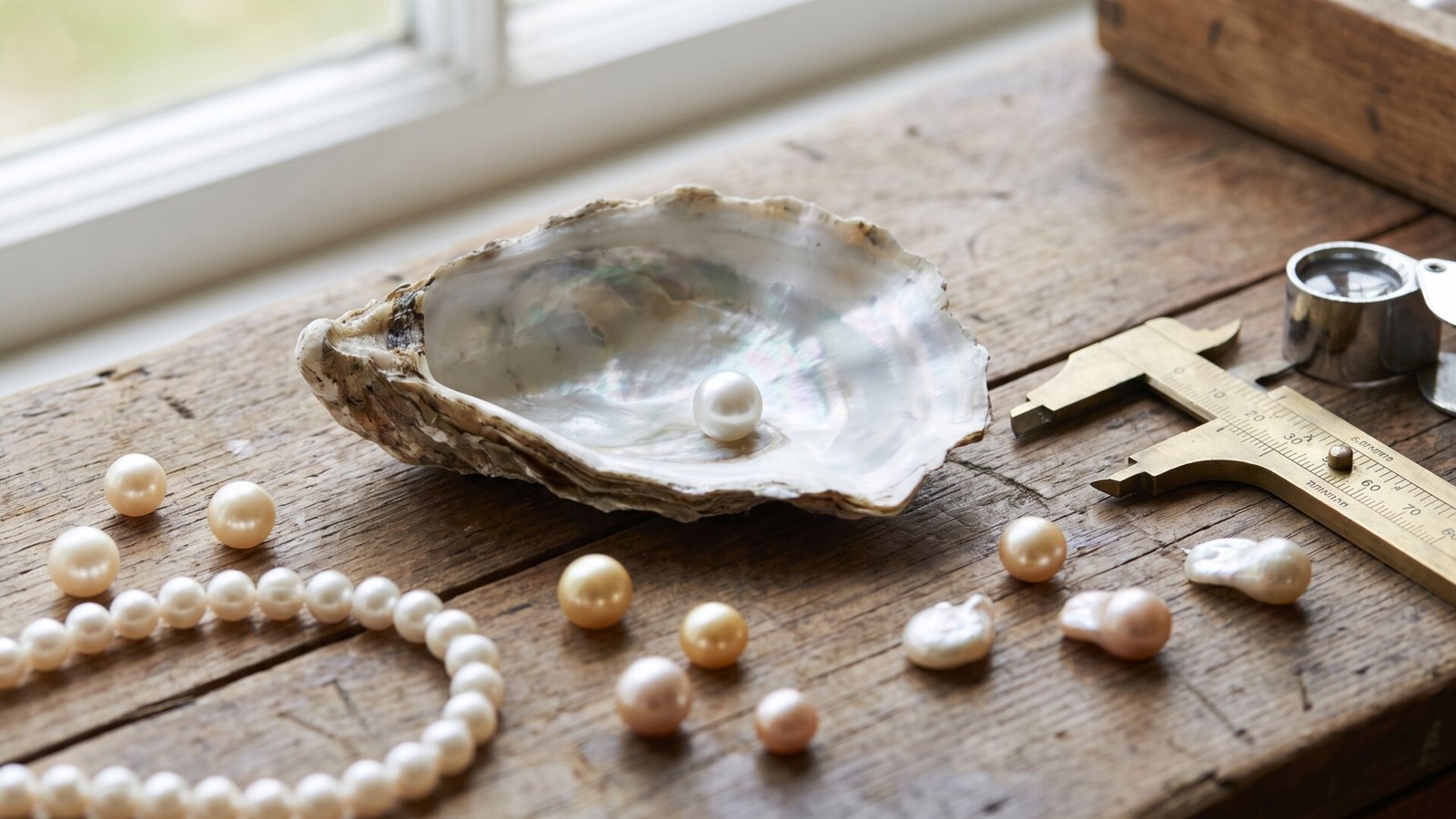
Pearls are organic gemstones formed inside the soft tissue of mollusks — oysters, mussels, and clams. When an irritant enters the shell, the mollusk secretes layers of nacre, gradually building a lustrous pearl over months or years. But their meaning has grown far beyond that simple biological process.
This guide covers everything you need to know about pearl meaning: their ancient origins, their symbolism across cultures, their spiritual and emotional associations, their role in astrology and birthstones, and how to choose the right pearl for your needs. Whether you’re a June baby, a Gemini or Cancer, or simply someone drawn to the luminous beauty of this remarkable gem, you’re about to discover why pearls have captivated humanity for thousands of years.
Pearl at a Glance
Before we dive deep into pearl meaning, here’s a quick reference guide to their key characteristics.
| Feature | Details |
|---|---|
| Type | Organic gemstone |
| Formation | Mollusks (oysters, mussels) |
| Color | White, cream, pink, gold, black, silver, blue |
| Hardness | 2.5–4.5 (Mohs scale) |
| Birthstone Month | June |
| Zodiac Associations | Gemini, Cancer |
| Anniversary | 3rd & 30th Wedding Anniversary |
| Symbolism | Purity, wisdom, femininity, transformation, serenity |
What Does Pearl Symbolize?
Pearl symbolism is one of the richest of any gemstone — deeply connected to purity, wisdom, femininity, and the beauty that emerges from adversity.
Purity and Innocence
Pearls have long been symbols of purity and innocence. This association made them popular in bridal jewelry, representing the bride’s purity and the beginning of a new life. Their white, luminous appearance naturally evokes cleanliness, clarity, and moral virtue.
Wisdom Gained Through Experience
Pearls are often seen as symbols of wisdom gained through experience. Just as a pearl is formed through years of layering nacre around an irritant, wisdom is built layer by layer over a lifetime. The metaphor is powerful: beauty can emerge from discomfort, and patience yields the most precious results.
Femininity and Grace
Pearls have been associated with femininity and grace for centuries. Their soft, luminous glow has made them a symbol of gentle strength, elegance, and refined beauty. In many cultures, pearls are seen as the ultimate expression of feminine energy — nurturing, patient, and quietly powerful.
Emotional Balance and Serenity
Pearls are believed to promote emotional balance and serenity. Their calming energy is thought to soothe the mind, reduce stress, and bring a sense of peace and stability. They’re often worn by those seeking to balance their emotions and navigate life’s challenges with grace.
Transformation and Growth
The formation of a pearl — from a grain of sand to a luminous gem — is a powerful symbol of transformation and personal growth. Pearls represent the ability to turn adversity into beauty, to transform challenges into wisdom, and to emerge stronger from difficult experiences.
Integrity and Honesty
Pearls have also been associated with integrity and honesty. Their pure, unblemished surface is seen as a reflection of moral virtue and truthful character.
Why Pearls Became Symbols of Purity and Elegance
Pearls’ association with purity stems from their white, luminous appearance and the fact that they are created without human intervention. Unlike gemstones that are mined from the earth, pearls are born from living creatures — a process that feels almost miraculous. This natural, unblemished beauty made them symbols of moral purity and divine favor.
The “Beauty Through Pressure” Metaphor Explained
The most powerful metaphor associated with pearls is “beauty through pressure.” A pearl begins as an irritant — a grain of sand or a parasite — that enters the mollusk’s shell. The mollusk responds by coating the irritant with layer after layer of nacre. Over time, this defensive response produces something extraordinary: a luminous, beautiful gem.
This process has made pearls a powerful symbol of resilience, patience, and the ability to transform adversity into beauty. It’s a reminder that the most precious things in life often emerge from the most difficult circumstances.
The History of Pearl Meaning
Pearls are one of the oldest known gemstones, with a history stretching back over 4,000 years. Their meaning has evolved across civilizations, each adding layers to their rich symbolism.
Ancient China
The Chinese believed pearls were formed inside the brains of dragons. When the dragons fought, their teeth fell to the ground and became pearls. Pearls were seen as symbols of wisdom, protection, and good fortune. They were also associated with the moon and believed to have magical properties.
Ancient India
In Indian traditions, pearls were associated with the moon and considered symbols of purity, spiritual transformation, and divine wisdom. They were often used in religious ceremonies and were believed to bring good luck and prosperity.
Ancient Egypt
The ancient Egyptians treasured pearls as symbols of wealth and status. They were often buried with the dead to ensure safe passage to the afterlife. Cleopatra’s legendary pearl, which she dissolved in wine to win a bet, is one of the most famous pearl stories in history.
Ancient Rome
The Romans were obsessed with pearls, considering them the ultimate status symbol. They believed pearls were tears of the gods and associated them with Venus, the goddess of love and beauty. Roman generals wore pearl earrings, and sumptuary laws attempted — unsuccessfully — to limit who could wear them.
Medieval Europe
In medieval Europe, pearls were symbols of royal authority and religious purity. They were often used in religious objects, crowns, and royal jewelry. Knights wore pearls into battle, believing they would protect them from harm.
Victorian Era
In the Victorian era, pearls became symbols of femininity, virtue, and moral purity. They were popular in mourning jewelry, representing tears and remembrance. They were also associated with sentimental love and were often given as engagement or wedding gifts.
Modern Era
Today, pearls are symbols of elegance, sophistication, and timeless beauty. They’ve transitioned from formal, traditional jewelry to everyday luxury, appearing in everything from casual wear to high fashion. Their meaning has evolved to include emotional balance, personal growth, and inner beauty.
How Pearl Symbolism Evolved Across Civilizations
| Era | Primary Meaning |
|---|---|
| Ancient Asia | Wisdom, protection, good fortune |
| Ancient Egypt | Wealth, status, burial treasures |
| Ancient Rome | Status, luxury, tears of the gods |
| Medieval Europe | Royal purity, divine protection |
| Victorian Era | Femininity, virtue, mourning |
| Modern Era | Elegance, emotional balance, transformation |
Key Insight: Why Pearls Maintain Consistent “Purity” Symbolism Across Cultures
Pearls’ association with purity is one of the most consistent across cultures. This stems from their unblemished appearance and organic origin. Unlike gemstones that are cut and polished, pearls emerge from nature as complete objects of beauty. This natural perfection has made them symbols of purity, innocence, and moral virtue for millennia.
How Rarity and Organic Origin Influenced Meaning Globally
Before the development of pearl culturing in the early 20th century, natural pearls were extraordinarily rare and valuable. Only the wealthiest individuals could afford them, which reinforced their association with status, luxury, and exclusivity. Their organic origin — created by living creatures — made them seem almost miraculous, adding to their mystique and symbolic power.
Pearls in Different Cultures
Pearls have been treasured across cultures and continents. Here’s how different traditions have interpreted their meaning.
Chinese Imperial Traditions
Chinese emperors and empresses wore pearls as symbols of wisdom and authority. Pearls were believed to bring good luck and protect against evil spirits. They were often worn at the coronation of rulers.
Japanese Ama Diver Culture
In Japan, the ama — female divers who harvested pearls — are celebrated in traditional songs and stories. The practice of pearl diving is deeply connected to Japanese cultural identity. Japanese culture also associates pearls with purity and fertility.
Indian Spiritual Symbolism
In India, pearls are considered sacred and are often used in religious ceremonies. They are believed to bring good luck, prosperity, and spiritual wisdom.
Middle Eastern Trade and Luxury History
The Middle East has long been a center of pearl trading. Ancient Persian and Arabic traders valued pearls for their beauty and rarity. Pearls were used to decorate royal garments and religious objects.
European Royal Courts
Pearls were treasured by European royalty for centuries. They adorned crowns, scepters, and royal jewelry. The British Crown Jewels contain some of the world’s most famous pearls.
Indigenous Coastal Traditions
Indigenous coastal communities around the world have long harvested pearls and incorporated them into their cultural traditions. In many cultures, pearls are seen as symbols of the sea and its mysteries.
Common Themes Across Cultures
Despite their differences, most cultures share some common beliefs about pearls:
- They represent purity and innocence.
- They symbolize wisdom and spiritual insight.
- They are associated with femininity and grace.
- They bring good fortune and protection.
- They represent the beauty that emerges from adversity.
Differences in Interpretation
The main difference lies in the specific application:
- Asian cultures emphasized wisdom and good fortune.
- European cultures emphasized status and purity.
- Indian cultures emphasized spiritual transformation.
- Modern cultures emphasize emotional balance and personal growth.
Spiritual Meaning of Pearls
Note: The following information is based on cultural and spiritual beliefs, not established scientific fact. Pearls’ spiritual properties are matters of tradition and personal experience, not medical evidence.
Pearls’ spiritual meaning is deeply connected to emotional healing, inner wisdom, and personal transformation.
Emotional Healing
Pearls are believed to promote emotional balance and healing. Their calming energy is thought to soothe the mind, reduce stress, and bring a sense of peace and stability. They’re often worn by those seeking to process difficult emotions and find inner calm.
Inner Wisdom
Pearls symbolize the wisdom that comes from experience. They’re believed to help the wearer access their inner wisdom, trust their intuition, and make decisions with clarity and confidence.
Purity of Intent
Pearls represent purity of intent and moral integrity. They’re believed to help the wearer act with honesty, authenticity, and kindness.
Feminine Energy
Pearls are strongly associated with feminine energy — nurturing, patient, and quietly powerful. They’re believed to help the wearer connect with their feminine side and embrace the qualities of empathy, compassion, and grace.
Emotional Balance
Pearls are believed to promote emotional balance and stability. They help the wearer navigate life’s challenges with grace and resilience.
Protection
Pearls have long been worn as protective talismans. They’re believed to shield the wearer from negative energy and harm. They also calm the emotions and bring clarity.
Personal Growth Through Experience
Pearls represent the beauty that emerges from adversity. They’re believed to help the wearer embrace their past experiences, learn from them, and grow into their full potential.
Emotional Meaning of Pearls
Beyond their spiritual associations, pearls carry powerful emotional meaning.
Emotional Maturity
Pearls symbolize emotional maturity and the wisdom that comes from experience. They’re a reminder that growth takes time and patience.
Calm Under Pressure
Just as a pearl is formed under pressure, pearls remind us to stay calm and centered during difficult times. They represent resilience and the ability to maintain grace under stress.
Self-Acceptance
Pearls encourage self-acceptance and self-love. They remind us that our imperfections — like the grain of sand that becomes a pearl — can become sources of beauty and strength.
Graceful Transformation
Pearls symbolize the ability to transform adversity into beauty. They’re a reminder that even the most challenging experiences can lead to growth and wisdom.
Emotional Clarity
Pearls are believed to promote emotional clarity and insight. They help the wearer understand their feelings, process difficult emotions, and find inner peace.
Natural Pearls vs Cultured Pearls Meaning Differences
One of the most important distinctions in the pearl world is the difference between natural and cultured pearls — and whether they carry different symbolic meanings.
Natural Pearls
Natural pearls form entirely without human intervention. They’re extraordinarily rare and valuable, representing the purest, most authentic expression of the pearl’s organic origin. For many collectors, natural pearls carry the deepest symbolic weight — they represent rarity, authenticity, and nature’s unassisted creativity.
Cultured Pearls
Cultured pearls are formed with human assistance. A technician deliberately introduces an irritant into the mollusk, which then coats it with nacre just as it would in nature. Cultured pearls are still real pearls — they still represent patience, resilience, and beauty through adversity.
Freshwater vs Saltwater Origins
Freshwater pearls (grown in mussels) and saltwater pearls (grown in oysters) have different symbolic associations. Freshwater pearls are often associated with gentle elegance and everyday luxury. Saltwater pearls — especially South Sea and Tahitian — are associated with prestige, rarity, and exotic beauty.
Do They Have Different Symbolic Meanings?
In terms of spiritual meaning, natural and cultured pearls carry the same core symbolism: purity, wisdom, transformation, and emotional balance. The meaning comes from the pearl’s nature — its organic origin, its layered formation, and its luminous beauty — not from whether it was assisted by human hands.
Cultural Perception vs Gemological Reality
While gemologists distinguish sharply between natural and cultured pearls, many consumers and spiritual practitioners don’t make this distinction. For most people, the symbolism of the pearl is the same regardless of how it was formed. The emotional resonance comes from what the pearl represents, not its origin.
| Type | Formation | Symbolic Perception | Market Role |
|---|---|---|---|
| Natural | Rare organic formation | Purity, rarity, authenticity | Collector |
| Cultured | Human-assisted | Accessibility, beauty | Mainstream luxury |
| Freshwater | Mussels | Soft elegance | Everyday jewelry |
| Akoya | Oysters | Classic purity | Bridal jewelry |
| Tahitian | Black-lipped oysters | Mystery & strength | Luxury fashion |
| South Sea | Large oysters | Prestige & wealth | Ultra-luxury |
Pearl Types and Their Symbolic Meaning
Different types of pearls carry different aesthetic qualities and, for some, different symbolic meanings.
Akoya Pearls
Akoya pearls are the classic white or cream pearls, known for their perfect round shape and high luster. They symbolize classic purity, elegance, and traditional beauty. They’re the most popular choice for bridal jewelry and formal occasions.
Freshwater Pearls
Freshwater pearls are more affordable and available in a wide range of shapes and colors. They symbolize gentle elegance, everyday luxury, and the beauty of imperfection. Their softer luster makes them perfect for casual and modern jewelry.
Tahitian Black Pearls
Tahitian pearls are dark — black, gray, green, peacock — with exotic overtones. They symbolize mystery, strength, and individuality. Their unique colors make them perfect for fashion-forward jewelry and statement pieces.
South Sea Pearls
South Sea pearls are the largest and most valuable, with thick nacre and satiny luster. They symbolize prestige, wealth, and rare beauty. They’re the ultimate luxury pearl.
Baroque Pearls
Baroque pearls are irregularly shaped, with organic, non-spherical forms. They symbolize individuality, creativity, and the beauty of imperfection. They’re perfect for modern, artistic jewelry.
Why Shape and Origin Influence Perceived Meaning
The shape and origin of a pearl influence how it’s perceived. Round, white pearls are seen as classic and traditional. Irregular, dark pearls are seen as modern and unconventional. The meaning we assign to pearls is often shaped by their appearance and cultural associations.
Pearl and Astrology
Pearls are associated with two zodiac signs: Gemini and Cancer.
Gemini (May 21 – June 20)
Gemini is an air sign ruled by Mercury. Geminis are curious, adaptable, and intellectually driven. Pearl’s calming energy helps balance Gemini’s restless nature, encouraging reflection, emotional connection, and inner wisdom. It supports Gemini’s dual nature by providing a grounding influence.
Cancer (June 21 – July 22)
Cancer is a water sign ruled by the Moon. Cancers are intuitive, nurturing, and deeply emotional. Pearl’s connection to the moon and water makes it a natural stone for Cancer. It supports their emotional depth, encourages self-care, and promotes inner peace.
Moon Symbolism
Pearls have long been associated with the Moon. Their luminous, ethereal glow reflects moonlight, and their formation in the sea connects them to lunar tides. This association makes pearls a stone of intuition, emotional balance, and the cycles of life.
Venus Influence
Pearls are also associated with Venus, the planet of love and beauty. This association links pearls to feminine energy, grace, and the appreciation of beauty.
For more details, explore our Gemini Birthstone Guide, Cancer Birthstone Guide, and Zodiac Birthstones Hub.
Pearl as a Birthstone
June Birthstone
Pearls are the modern birthstone for June, along with alexandrite and moonstone. Their soothing energy and calming influence make them a perfect match for the month of summer solstice and new beginnings.
Wedding Anniversary Symbol
Pearls are the traditional gift for the 3rd and 30th wedding anniversaries. They symbolize the patient, layered growth of love over time. A 3rd anniversary pearl represents the early years of marriage, when the relationship is still forming its nacre of shared experience. A 30th anniversary pearl represents the deep, layered wisdom of three decades together.
Gift Meaning
Giving pearls as a gift carries deep meaning. It symbolizes:
- Purity: You value the recipient’s integrity.
- Wisdom: You respect their life experience.
- Love: You are devoted to them.
- Protection: You want to keep them safe.
- Transformation: You celebrate their growth and evolution.
Learn more in our June Birthstone Guide and Birthstone Jewelry Guides.
Pearls in Jewelry
Pearls’ timeless beauty, versatility, and symbolic meaning make them one of the most beloved gemstones for jewelry.
Necklaces (Pearl Strands)
Pearl strands are the most iconic pearl jewelry. They range from classic single strands to elaborate multi-strand designs. A pearl necklace is a symbol of elegance, sophistication, and timeless beauty.
Earrings
Pearl earrings — studs, drops, and chandeliers — are classic and versatile. They can be worn with everything from casual to formal attire.
Rings
Pearl rings are romantic and symbolic. They’re a popular choice for engagement rings, especially for those seeking something unique and meaningful.
Bracelets
Pearl bracelets are elegant and understated. They can be worn alone or stacked with other jewelry.
Modern Fashion Jewelry
Pearls have transitioned from formal, traditional jewelry to everyday luxury. They’re now featured in casual, modern designs — from minimalist pendants to edgy, mixed-metal pieces.
Why Pearls Have Shifted From Formal to Everyday Luxury
The rise of cultured pearls made pearls more accessible. Modern jewelry designers have embraced pearls’ versatility, creating pieces that work with casual and formal attire. Pearls are no longer reserved for special occasions — they’re worn every day.
How to Choose Pearls
When selecting pearls, consider these factors.
Luster
Luster is the most important factor in pearl quality. Look for sharp, bright reflections. High-luster pearls have a mirror-like shine.
Surface Quality
Look for pearls with smooth, blemish-free surfaces. Minor imperfections are acceptable, but excessive blemishes reduce value.
Shape
Round pearls are the most prized, but off-round, oval, and baroque pearls are also beautiful and more affordable.
Size
Larger pearls are rarer and more valuable. The size range varies by type — Akoya pearls are typically smaller (2-11mm), while South Sea pearls are larger (9-20mm).
Color
Pearls come in a wide range of colors — white, cream, pink, gold, gray, black, blue, and more. Choose a color that complements the wearer’s skin tone and style.
Origin
The origin of the pearl affects its quality and price. Akoya pearls from Japan, South Sea pearls from Australia, and Tahitian pearls from French Polynesia are the most prized.
For more details, explore our [Pearl Buying Guide] and Natural vs. Lab-Grown Gemstones.
Caring for Pearls
Why Pearls Are Delicate
Pearls are soft (2.5–4.5 on the Mohs scale) and porous. They can be scratched, damaged by chemicals, and affected by heat and dryness.
Cleaning Guidelines
Use a soft, damp cloth to wipe pearls after wearing. Avoid ultrasonic cleaners, steam cleaners, and harsh chemicals. Never soak pearls or use abrasive cleaners.
Storage Tips
Store pearls separately from harder gemstones (diamond, sapphire, ruby) to prevent scratching. Lay pearl strands flat — never hang them, as gravity can stretch the silk thread. Store in a soft pouch or lined jewelry box.
Avoiding Chemicals and Damage
Pearls are sensitive to acids, chemicals, and heat. Remove pearls before applying perfumes, lotions, and hairspray. Avoid wearing pearls while swimming, showering, or exercising.
Common Myths About Pearl Meaning
Myth: Pearls Are a Symbol of Tears and Sadness
While pearls were worn as mourning jewelry in the Victorian era, they have never been primarily associated with sadness. Their core symbolism has always been purity, wisdom, and beauty.
Myth: Pearls Only Represent Feminine Energy
While pearls are strongly associated with femininity, they are not exclusively feminine. Men have worn pearls for centuries — from Roman generals to modern fashion icons. Pearls represent grace, wisdom, and patience for anyone who wears them.
Myth: Natural Pearls Are Always Superior in Meaning
Natural pearls are rarer and more valuable, but their symbolic meaning is the same as cultured pearls. The meaning comes from what the pearl represents — patience, transformation, and beauty from adversity — not from its origin.
Myth: Pearls Require No Care
Pearls require more care than most gemstones. They are soft and porous, and they can be damaged by chemicals, heat, and abrasion. Proper care ensures they last for generations.
Why Pearls Are the Only “Living Gemstone” and What That Means Symbolically
Most pearl meaning articles skip this section, but it’s essential to understanding why pearls resonate so deeply.
Organic Formation vs Mineral Formation
All other gemstones are minerals — formed by geological processes over millions of years. Pearls are formed by living creatures — oysters, mussels, and clams. This makes them the only gemstone that is organically created.
Why Living Origin Shapes Human Perception
There’s something deeply meaningful about wearing a gemstone created by a living being. It connects us to the natural world in a way that mined gemstones don’t. A pearl carries the energy of the sea, of life, of patience, and of transformation.
Emotional Projection Onto Organic Gems
We project our own experiences onto pearls. The story of a pearl — an irritant, patience, and eventual beauty — mirrors our own journeys of growth and transformation. This is why pearls are so often associated with wisdom, emotional maturity, and personal evolution.
The Psychology of “Life-Formed Beauty”
Pearls are born from life, not from rock. This gives them a unique, almost magical quality. They seem to glow from within — a reflection of the life that created them.
How This Uniqueness Influences Symbolism Across Cultures
Across cultures, pearls are seen as symbols of life, wisdom, and transformation. Their organic origin makes them universally relatable — a reminder that beauty and wisdom emerge from the challenges of life.
How to Choose the Right Pearl Based on Its Meaning
For Emotional Healing
Choose a white or cream pearl in a pendant or bracelet. Its calming energy supports emotional balance and inner peace.
For Purity and New Beginnings
Choose a white pearl strand or stud earrings. Its association with purity makes it a powerful symbol of fresh starts.
For Elegance and Luxury
Choose a South Sea or Akoya pearl in a necklace or earrings. Its classic beauty and prestige make it the ultimate luxury gemstone.
For Personal Growth
Choose a baroque or irregular pearl. Its unique shape represents individuality and the beauty of imperfection.
For Milestone Gifts
Choose a pearl necklace, bracelet, or earrings for a 3rd or 30th anniversary. Its symbolism of layered growth makes it a perfect milestone gift.
Final Thoughts: What Does Pearl Really Mean?
Pearls have been treasured for over 4,000 years — from the dragon legends of ancient China to the royal courts of Europe to the modern fashion runways of today. Their meaning has evolved across cultures, but one thing has remained constant: pearls represent the beauty that emerges from patience, adversity, and the slow, layered process of growth.
Whether you’re drawn to their luminous beauty, their ancient history, or their modern spiritual associations, pearls offer something meaningful. They’re a stone that connects us to the past — to the Chinese emperors who wore them as symbols of wisdom, to the Roman generals who treasured them as status symbols, to the Victorian women who wore them as symbols of virtue. And they’re a stone that connects us to ourselves — to our own capacity for patience, wisdom, and transformation.
The most powerful meaning of pearls, however, is personal. It’s the meaning you assign to them. It’s the intention you set when you wear them. It’s the reminder you give yourself that beauty can emerge from adversity, that patience yields the most precious results, and that wisdom comes from experience.
So whether you choose a classic white strand for purity, a Tahitian black pearl for mystery, or a baroque pearl for individuality, choose the pearl that resonates with you. Because the stone’s meaning is ultimately what you make of it.
Related Guides
- June Birthstone Guide
- Gemini Birthstone Guide
- Cancer Birthstone Guide
- [Pearl Buying Guide]
- [Akoya vs Tahitian Pearls Guide]
- Natural vs Cultured Gemstones
- [Crystal Meanings Hub] (coming soon)
Frequently Asked Questions About Pearl Meaning
What is the spiritual meaning of pearls?
Pearls are spiritually associated with purity, wisdom, emotional balance, feminine energy, and transformation. They’re believed to promote emotional healing, inner wisdom, and the ability to transform adversity into beauty.
Why do pearls symbolize purity?
Pearls’ white, luminous appearance and organic origin have made them symbols of purity and innocence for millennia. Their unblemished surface represents moral virtue and clarity of intent.
Do different types of pearls have different meanings?
Different pearl types carry different aesthetic qualities, but their core symbolism — purity, wisdom, transformation — is the same. Tahitian pearls add associations of mystery and strength. Baroque pearls add individuality and creativity.
What is the difference between natural and cultured pearls?
Natural pearls form without human intervention. Cultured pearls are formed with human assistance. In terms of meaning, both carry the same symbolism. The meaning comes from what the pearl represents, not how it was formed.
Which zodiac signs are associated with pearls?
Pearls are associated with Gemini and Cancer. They support Gemini’s restless nature and Cancer’s emotional depth.
What does gifting pearls symbolize?
Giving pearls symbolizes purity, wisdom, love, protection, and transformation. It’s a gesture of respect for the recipient’s integrity and life experience.
Are pearls considered lucky or unlucky?
Pearls are generally considered lucky and protective. Some superstitions associate them with tears, but this is a modern myth, not an ancient tradition.
Why are pearls called organic gemstones?
Pearls are the only gemstone created by living creatures — oysters, mussels, and clams. Unlike minerals that are mined from the earth, pearls are born from life.
Ready to find your pearls? Browse our collections below.
[Shop Pearl Jewelry at Blue Nile]
[Shop Pearl Earrings at James Allen]
[Shop Ethical Pearls at Brilliant Earth]
[Explore More Birthstone & Crystal Guides]