Garnet Meaning: History, Symbolism, Spiritual Properties & Modern Uses
I have a confession that still makes my gemstone-loving friends smile.
For years, I thought garnet was just a deep red stone. Pretty enough. January’s birthstone. Affordable. Nothing particularly special. Then I started learning about its history. The ancient Egyptians buried it with pharaohs to protect them in the afterlife. Roman warriors wore it into battle as a talisman against wounds. Medieval clergy saw it as a symbol of Christ’s blood and sacrifice. And today, millions of people wear it for passion, protection, and personal strength.
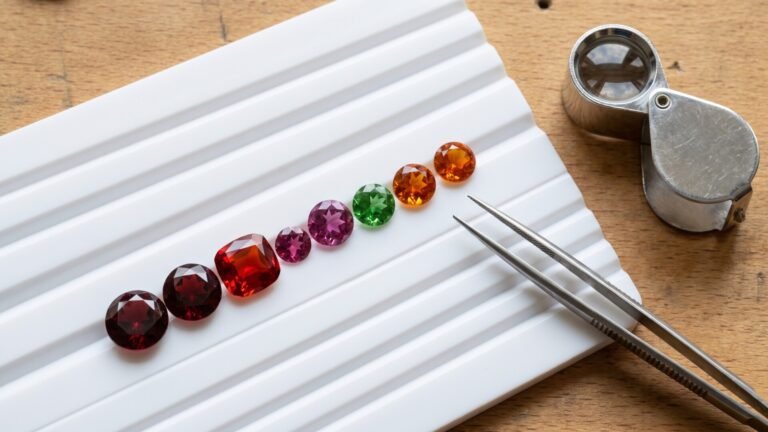
Garnet isn’t just one stone. It’s an entire family of gemstones — red, green, orange, pink, purple, yellow, even a rare blue. Its name comes from the Latin granatus, meaning “pomegranate,” because small red garnets resemble the seeds of that fruit. But its meaning has grown far beyond that single association.
This guide covers everything you need to know about garnet’s meaning: its ancient origins, its symbolism across cultures, its spiritual and emotional associations, its role in astrology and birthstones, and how to choose the right garnet for your needs. Whether you’re a January baby, a Capricorn or Aquarius, or simply someone drawn to the warmth of this remarkable gem, you’re about to discover why garnet has captivated humanity for thousands of years.
Garnet at a Glance
Before we dive deep into its meaning, here’s a quick reference guide to garnet’s key characteristics.
| Feature | Details |
|---|---|
| Mineral Group | Garnet (a group of silicate minerals) |
| Colors | Red, green, orange, pink, purple, yellow, brown, black, blue (rare) |
| Hardness | 6.5–7.5 (Mohs scale) |
| Birthstone Month | January |
| Zodiac Associations | Capricorn, Aquarius |
| Anniversary | 2nd Wedding Anniversary |
| Symbolism | Protection, passion, strength, commitment, love, friendship |
What Does Garnet Symbolize?
Garnet’s symbolism is one of the richest and most varied of any gemstone. Across cultures and millennia, it has represented protection, love, strength, and vitality.
Protection
Throughout history, garnet has been worn as a protective talisman. Warriors going into battle carried garnets to ward off wounds and disease. Travelers wore them as “traveler’s stones” to guard against harm on long journeys. Ancient healers even placed garnets in wounds, believing in their healing powers. In the Middle Ages, garnets were inlaid into the armor of Anglo-Saxon and Celtic kings for protection.
Love and Devotion
With associations with the heart, blood, inner fire, and life force, garnets have long been considered symbols of love. The deep red color evokes passion, romance, and enduring commitment. In Greek mythology, the pomegranate — which gave garnet its name — was a gift of love and a symbol of eternity.
Courage and Strength
Garnet has been called the “Gem of Faith,” believed to bring good fortune to those who do good. It symbolizes inner strength, resilience, and the courage to face challenges. Its fiery red color represents the life force itself — the energy that sustains and empowers us.
Friendship and Loyalty
Garnet has also symbolized a deep and lasting friendship. Giving garnet to someone is a gesture of trust, loyalty, and enduring connection. It’s a stone that says, “I value you, and I will stand by you.”
Vitality and Energy
Garnet represents primordial fire — the creation of the world out of chaos, purification, and love. It’s a stone of strong energy, believed to revitalize the wearer and bring peace, prosperity, and good health.
Why Garnet Became a Symbol of Enduring Relationships
Garnet’s association with love and commitment stems from its durability and its deep, unchanging color. Unlike other red stones that can fade or chip, garnet is resilient — just like a lasting relationship. This is why garnet is the traditional gift for the 2nd wedding anniversary, celebrating a love that has survived its first years and is ready to deepen.
The Meaning Behind Garnet’s Deep Red Color
Red is the color of the heart, of blood, of life itself. Garnet’s deep red hue symbolizes passion, courage, and the life force that flows through all living things. It’s a color that demands attention, that speaks of intensity and devotion.
But garnet isn’t just red. The many colors of garnet — green tsavorite, orange spessartite, purple rhodolite — each carry their own meanings, adding depth and variety to the garnet family.
The History of Garnet Meaning
Garnet is one of the oldest known gemstones. Archeologists have recovered garnet necklaces and talismans from ancient Egyptian tombs dating back to 3100 BCE. Its meaning has evolved across civilizations, each adding layers to its rich symbolism.
Ancient Egypt: Garnet as a Symbol of Life
The early Egyptians considered garnet to be a symbol of life. They used it in jewelry and carvings, believing it represented life and rebirth. Necklaces studded with red garnets adorned the pharaohs of ancient Egypt. Garnets were also buried with the dead to protect them in the afterlife. The Egyptians associated garnet with their Goddess of War, Sekhmet, further cementing its connection to protection and strength.
Ancient Greece and Rome: Warrior Talismans and Signet Rings
Both in ancient Rome and ancient Greece, garnet signet rings were used as seals on significant documents. They were carved into intaglios — images carved into the stone — that were pressed into wax to secure important documents. The Romans and Greeks also carved garnets into cameos of prominent figures and gods. In the third and fourth centuries, Roman warriors used garnet for protection in battle.
Medieval Europe: Protection and Piety
During the Middle Ages, garnets were widely regarded as a gem with valuable protective properties. The clergy valued garnets as symbols of Christ’s blood and sacrifice. Garnets were used in ecclesiastical jewelry and were believed to ward off disease and evil spirits. The nobility and clergy of the Middle Ages had a preference for red garnets.
Victorian Era: Romance and Mourning
In the Victorian era (1837–1901), pyrope garnets from Bohemia (now part of the Czech Republic) became extremely popular. Garnet jewelry was used both as romantic tokens and as mourning jewelry following the death of Prince Albert in 1861. The deep red stones symbolized enduring love and remembrance. The Smithsonian’s antique pyrope hair comb is one of the most famous pieces of garnet jewelry from this period.
Modern Symbolism
Today, garnet’s meaning encompasses all of these historical associations — and more. It’s the stone of protection, passion, and strength. It’s used in meditation, crystal healing, and jewelry. And its many colors — from fiery red to vibrant green — offer a range of symbolic meanings for different needs and intentions.
How the Meaning of Garnet Has Evolved Over Time
| Time Period | Primary Meaning |
|---|---|
| Ancient Egypt | Symbol of life; protection in the afterlife |
| Ancient Rome | Warrior protection; signet rings for authority |
| Middle Ages | Christian piety; protective talisman |
| Victorian Era | Romantic love; mourning and remembrance |
| Modern Crystal Culture | Emotional healing; passion; personal strength |
This evolution reflects broader cultural shifts. In ancient times, garnet was valued for its physical protective properties. Today, it’s valued for its emotional and spiritual symbolism — a shift from external protection to internal transformation.
Garnet in Different Cultures
Garnet has been treasured across cultures and continents. Here’s how different traditions have interpreted its meaning.
Egyptian Traditions
Garnet was a symbol of life and rebirth. It was used in jewelry, amulets, and tomb treasures to protect the dead in the afterlife. The Egyptians associated it with their Goddess of War, Sekhmet, reflecting its protective and powerful qualities.
Greek and Roman Beliefs
The Greeks associated garnet with Aphrodite, the goddess of love, prizing garnets for both their passion and their fertility-enhancing properties. In Greek mythology, the pomegranate — which gave garnet its name — was a gift of love and a symbol of eternity. The Romans used garnet signet rings to seal important documents and carved garnets into cameos.
Medieval European Symbolism
The clergy valued garnets as symbols of Christ’s blood and sacrifice. Garnets were inlaid into the armor of Anglo-Saxon and Celtic kings. They were believed to protect against wounds, disease, and evil spirits.
Asian Traditions
In India, garnet has been used in jewelry and as a talisman for protection. According to Indian astrology, garnet helps eliminate negative feelings (depression, guilt) and instill greater self-confidence and mental clarity. It’s believed to promote creative thinking and peace of mind.
Modern Western Crystal Practices
Today, garnet is one of the most popular stones in Western crystal healing. It’s used for grounding, protection, emotional healing, and revitalization. It’s believed to provide a protective influence, bring forth hope, alleviate bad dreams, and revitalize the heart chakra.
Similarities Across Cultures
Despite their differences, most cultures share some common beliefs about garnet:
- It offers protection against harm and negativity.
- It symbolizes love, passion, and commitment.
- It represents strength, courage, and vitality.
- Its red color connects it to life force and blood.
Key Differences
The main difference lies in the specific application:
- Ancient Egyptians focused on protection in the afterlife.
- Greeks and Romans emphasized love, passion, and authority.
- Medieval Christians emphasized piety and spiritual protection.
- Modern practitioners emphasize emotional healing and personal strength.
Spiritual Meaning of Garnet
Note: The following information is based on cultural and spiritual beliefs, not established scientific fact. Garnet’s spiritual properties are matters of tradition and personal experience, not medical evidence.
Garnet’s spiritual meaning is deeply connected to protection, passion, and personal power.
Protection
Garnet is one of the most powerful protective stones. It’s believed to shield the wearer from negative energy, harmful influences, and physical danger. It’s a stone of safety — for travelers, warriors, and anyone embarking on a new journey.
Grounding
Garnet is a grounding stone, connecting the wearer to the earth’s energy. It helps stabilize emotions, reduce stress, and bring a sense of security and stability.
Confidence
Garnet is believed to boost self-confidence and personal power. It helps the wearer overcome self-doubt, fear, and anxiety. It’s a stone for those who need courage to face challenges or make bold decisions.
Passion
Garnet represents primordial fire — the creation of the world out of chaos, purification, and love. It’s a sensual stone that ignites passion, desire, and creative energy. It’s often used to rekindle romantic relationships or inspire creative projects.
Motivation
Garnet is a stone of action. It motivates the wearer to pursue their goals with determination and persistence. It’s especially helpful for those who feel stuck or lacking in energy.
Personal Power
Garnet strengthens the wearer’s personal power and authority. It’s a stone for leaders, entrepreneurs, and anyone who needs to assert themselves confidently. It helps eliminate negative feelings like depression and guilt, replacing them with self-confidence and mental clarity.
Energy and Vitality
Garnet is believed to revitalize the body and mind. It’s associated with good health, vitality, and the life force itself. Some believe it purifies the blood and strengthens the heart chakra.
Emotional Meaning of Garnet
Beyond its spiritual associations, garnet carries powerful emotional meaning.
Commitment
Garnet is a stone of commitment — to relationships, to goals, to personal growth. Its durability symbolizes the endurance of love and loyalty.
Emotional Strength
Garnet helps the wearer develop emotional resilience. It supports processing difficult emotions without becoming overwhelmed. It’s a stone for those going through grief, heartbreak, or major life transitions.
Loyalty
Garnet has long been associated with deep and lasting friendship. It’s a stone of loyalty — to friends, family, and partners. Giving garnet is a gesture of trust and enduring connection.
Courage During Change
Garnet provides strength and courage during times of change. It helps the wearer embrace new beginnings with confidence and optimism. It’s a perfect talisman for anyone starting a new chapter — a new job, a new relationship, a new year.
Building Healthy Relationships
Garnet supports healthy, balanced relationships. It encourages honest communication, mutual respect, and shared passion. It’s often given as a symbol of romantic love or deep friendship.
Which Type of Garnet Best Matches Your Goals?
Not all garnets are the same. Different varieties offer different colors and, for those who believe in crystal energy, different energetic properties. Here’s how to choose the right garnet for your intentions.
Pyrope Garnet
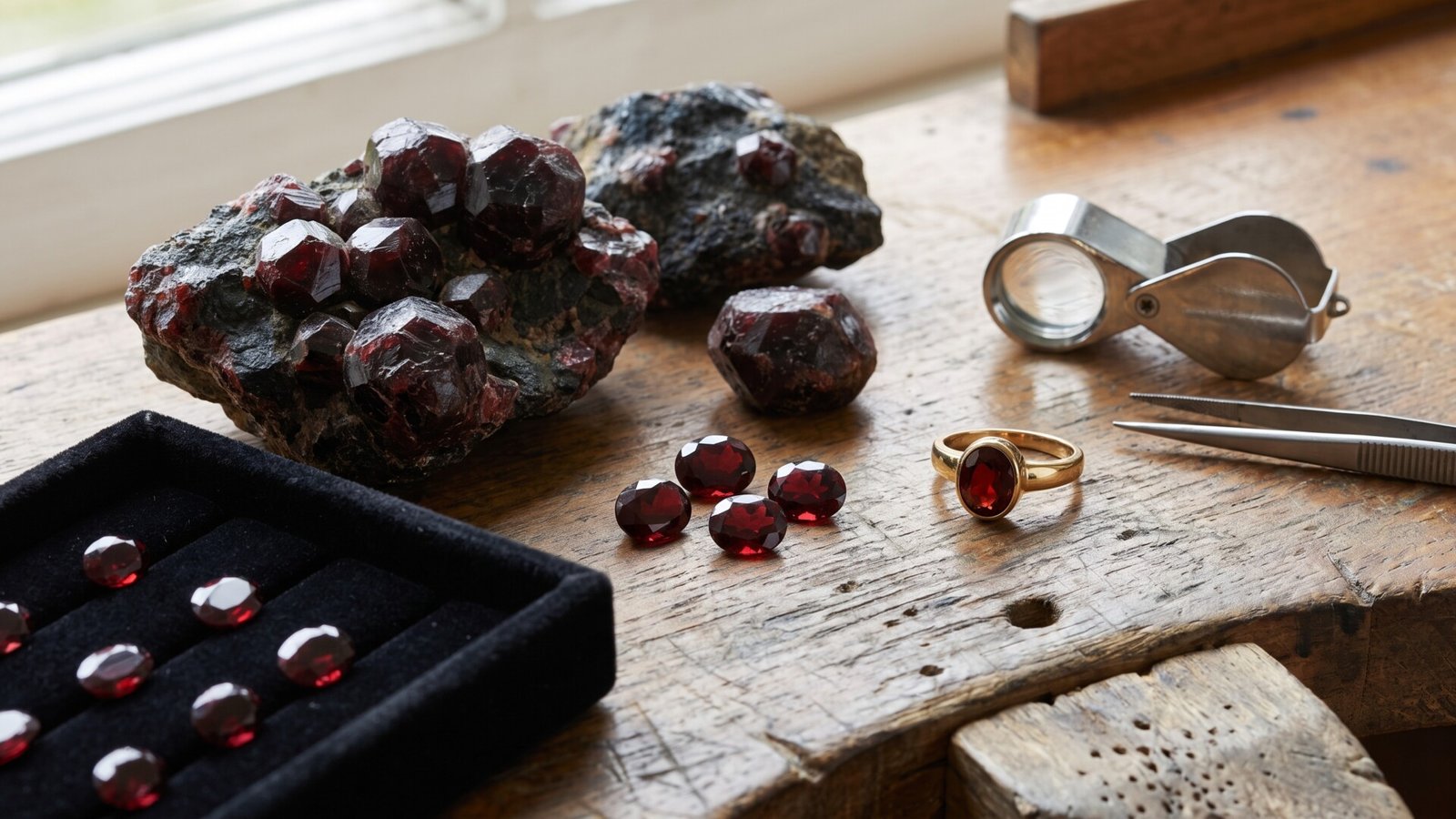
Pyrope garnets are typically purplish red, crimson, or dark red. They’re the most common form of garnet and what most people picture when they think of the stone.
- Best for: Passion, confidence, and vitality.
- Symbolism: Fiery energy, courage, and life force. Pyrope comes from the Greek pyrōpos, meaning “fiery-eyed”.
Almandine Garnet
Almandine garnets range from deep red to brownish red or violet-red. They’re one of the most common garnet varieties.
- Best for: Strength, resilience, and grounding.
- Symbolism: Endurance, protection, and stability. Historically, many “carbuncles” were almandine garnets.
Rhodolite Garnet
Rhodolite is a purplish red pyrope-almandine solid solution. It’s a beautiful purple-red garnet.
- Best for: Romance, compassion, and emotional healing.
- Symbolism: Love, gentleness, and emotional balance. The pale rose-purple color is softer than traditional red garnets.
Spessartite Garnet
Spessartite (also called spessartine) is an orange to reddish-brown garnet.
- Best for: Creativity, optimism, and abundance.
- Symbolism: Joy, confidence, and success. Spessartite is a talisman believed to protect, strengthen, and encourage the success of those who wear it.
Tsavorite Garnet
Tsavorite is a strong vibrant green grossular garnet. Most bright green tsavorites come from Kenya, Tanzania, and Madagascar.
- Best for: Abundance, personal growth, and prosperity.
- Symbolism: Renewal, vitality, and wealth. Tsavorite represents the lush growth of spring and the promise of abundance.
Demantoid Garnet
Demantoid is a rare and famous green garnet, part of the andradite group.
- Best for: Collectors and luxury jewelry.
- Symbolism: Rare beauty, brilliance, and high value. Demantoid has exceptional fire and brilliance, making it one of the most sought-after garnets.
| Variety | Color | Traditional Symbolism | Best For |
|---|---|---|---|
| Pyrope | Purplish red to crimson | Fiery energy, courage | Passion, confidence |
| Almandine | Deep red to brownish red | Endurance, stability | Strength, resilience |
| Rhodolite | Purplish red | Love, emotional balance | Romance, healing |
| Spessartite | Orange to reddish brown | Joy, success, abundance | Creativity, optimism |
| Tsavorite | Vibrant green | Renewal, prosperity | Growth, abundance |
| Demantoid | Green | Rarity, brilliance | Collectors, luxury |
Garnet and Astrology
Garnet is associated with two zodiac signs: Capricorn and Aquarius.
Capricorn (December 22 – January 19)
Capricorn is an earth sign ruled by Saturn. Capricorns are ambitious, disciplined, and hardworking. Garnet’s stabilizing force helps Capricorns manifest their goals. Its grounding energy supports their practical nature, while its strength helps them persevere through challenges.
Aquarius (January 20 – February 18)
Aquarius is an air sign ruled by Uranus and Saturn. Aquarians are innovative, independent, and humanitarian. Garnet’s grounding energy balances their airy nature with earthly wisdom. It helps them stay focused and connected while pursuing their visionary ideals.
Mars and Saturn Symbolism
Garnet’s deep red color is associated with Mars, the planet of action and passion. Its durability and grounding properties are associated with Saturn, the planet of discipline and structure. Together, these planetary influences make garnet a stone of determined action — the ability to pursue goals with both passion and persistence.
Why Garnet Has Been Associated With Leadership and Determination
Garnet’s combination of passion (Mars) and discipline (Saturn) makes it a powerful stone for leaders. It provides the drive to take action and the resilience to see things through. This is why garnets were worn by warriors, kings, and leaders throughout history.
For more details, explore our Capricorn Birthstone Guide, Aquarius Birthstone Guide, and Zodiac Birthstones Hub]
Garnet as a Birthstone
January Birthstone
Garnet is the modern birthstone for January. It has been associated with January for centuries, thanks to its deep red color (which symbolizes the winter month’s inner warmth) and its historical associations with protection and vitality.
Anniversary Gemstone
Garnet is the traditional gift for the 2nd wedding anniversary. Its symbolism of love, trust, and commitment makes it a meaningful choice for celebrating two years of partnership. It’s a stone that says, “Our love is growing stronger and deeper.”
Gift Symbolism
Giving garnet as a gift carries deep meaning. It symbolizes:
- Protection: You want to keep the recipient safe from harm.
- Love: You care for them deeply.
- Strength: You believe in their resilience.
- Friendship: You value their loyalty and trust.
- Success: You wish them prosperity and good fortune.
Learn more in our January Birthstone Guide and [Birthstone Jewelry Guides].
Garnet in Jewelry
Garnet’s durability (6.5–7.5 on the Mohs scale), wide color range, and affordability make it one of the most popular gemstones for jewelry.
Rings
Garnet rings are popular for both everyday wear and special occasions. Red garnet solitaires are classic and timeless. Green tsavorite and orange spessartite rings offer unique alternatives. Garnet is durable enough for rings but should be protected from hard knocks.
Necklaces
Garnet pendants are elegant and versatile. A single garnet stone on a simple chain can be worn with anything — from casual to formal. Layered necklaces with garnet charms are also popular.
Earrings
Garnet studs are classic and professional. Drop earrings and chandeliers make a statement for special occasions. Rhodolite garnet earrings, with their purple-red hue, are especially romantic.
Bracelets
Garnet bead bracelets are affordable, stackable, and perfect for everyday wear. Tennis bracelets with garnet stones offer a more elegant option.
Men’s Jewelry
Garnet is increasingly popular in men’s jewelry — signet rings, cufflinks, and minimalist pendants. Its deep red color is sophisticated without being flashy.
Everyday Wear
Garnet’s hardness makes it suitable for everyday wear in earrings, necklaces, and bracelets. For rings, especially those worn daily, protective settings are recommended.
How Symbolism Influences Jewelry Choices
Many people choose garnet jewelry specifically for its meaning. Someone going through a difficult time might wear a garnet for strength and protection. A new couple might exchange garnet rings as a symbol of commitment. A traveler might wear a garnet pendant as a talisman for safe journeys.
How to Choose a Garnet
When selecting a garnet, consider these factors.
Choosing the Right Variety
Decide which type of garnet best matches your goals:
- Pyrope: Passion and confidence.
- Almandine: Strength and resilience.
- Rhodolite: Romance and emotional healing.
- Spessartite: Creativity and optimism.
- Tsavorite: Abundance and growth.
- Demantoid: Luxury and collectibility.
Color
Color is the most important factor in a garnet’s appeal. Red garnets range from deep crimson to purplish red. Green tsavorites are vibrant and rare. Orange spessartites are warm and golden. Choose a color that resonates with your personal style and intentions.
Clarity
Garnet is often eye-clean, meaning no visible inclusions to the naked eye. However, some stones may have visible inclusions, which can reduce value. Tsavorite and demantoid, in particular, are often clean.
Cut
A well-cut garnet maximizes brilliance and color. Look for stones with good symmetry and even facets. Cabochon cuts are also popular for garnets with asterism (star effect) or chatoyancy (cat’s eye effect).
Natural vs Treated Garnets
Most garnets are untreated, making them one of the few gemstone families that are typically natural. This adds to their appeal and value. However, some garnets may be heat-treated to improve color. Always ask about treatment.
For more details, explore our [Garnet Buying Guide] and [Garnet Colors Guide].
Caring for Garnet Jewelry
Cleaning
Warm soapy water and a soft cloth are safe for garnet. Avoid ultrasonic cleaners if the stone has visible inclusions or fractures. Never use harsh chemicals or abrasive cleaners.
Proper Storage
Store garnet separately from harder stones (diamond, sapphire, topaz) to prevent scratching. Use individual soft pouches or compartmentalized boxes.
Avoiding Damage
Garnets range between 6.5 and 7.5 on the Mohs scale, making them more susceptible to damage than rubies, sapphires, and diamonds. While not all garnets are good candidates for daily wear in rings, they are ideal for earrings, brooches, and pendants.
Daily Care Tips
Remove garnet jewelry before swimming, showering, or applying lotions and perfumes. Wipe with a soft cloth after wearing to remove oils and residues.
Common Myths About Garnet Meaning
Myth: Garnets Are Always Red
Garnets come in almost every color — red, green, orange, pink, purple, yellow, brown, black, and even rare blue. Red is the most common color, but it’s far from the only one.
Myth: All Garnets Have the Same Meaning
Different garnet varieties carry different symbolic meanings. Pyrope represents passion; tsavorite represents abundance; rhodolite represents love. The meaning depends on the variety and its color.
Myth: Garnet Has Only Romantic Symbolism
While garnet is a symbol of love, it also represents protection, strength, courage, friendship, and vitality. Its symbolism is far broader than romance alone.
Myth: Ancient Beliefs Match Modern Crystal Healing Exactly
Ancient cultures used garnet primarily for physical protection — against wounds, disease, and evil spirits. Modern crystal healing emphasizes emotional and spiritual benefits. The focus has shifted from external protection to internal transformation.
How to Choose the Right Garnet Based on Its Meaning
For Love
Choose a red pyrope or rhodolite garnet. Its passionate color symbolizes enduring love and commitment. Rhodolite’s purple-red hue is especially romantic.
For Confidence
Choose a pyrope garnet. Its fiery red energy boosts self-confidence and personal power. It’s a stone for leaders and those who need to assert themselves.
For Career Success
Choose a spessartite or tsavorite garnet. Spessartite’s orange color represents success and abundance. Tsavorite’s green represents growth and prosperity.
For Protection
Choose an almandine garnet. Its deep red color has been worn as a protective talisman for millennia. It’s a stone for travelers, warriors, and anyone facing challenges.
For Luxury Jewelry
Choose a demantoid or tsavorite garnet. These rare green garnets are prized for their brilliance and beauty. Demantoid has exceptional fire; tsavorite has vibrant color.
Final Thoughts: What Does Garnet Really Mean?
Garnet’s meaning has evolved over thousands of years — from a protective talisman for ancient warriors to a symbol of love and passion to a modern tool for emotional healing and personal strength. But through all these changes, one thing has remained constant: garnet represents the enduring power of life itself.
Whether you’re drawn to its deep red color, its ancient history, or its modern spiritual associations, garnet offers something meaningful. It’s a stone that connects us to the past — to the Egyptians who buried it with pharaohs, to the Romans who wore it into battle, to the Victorians who gave it as a token of love. And it’s a stone that connects us to ourselves — to our own strength, passion, and capacity for growth.
The most powerful meaning of garnet, however, is personal. It’s the meaning you assign to it. It’s the intention you set when you wear it. It’s the reminder you give yourself to stay strong, stay passionate, and stay protected.
So whether you choose a deep red pyrope for confidence, a vibrant tsavorite for abundance, or a delicate rhodolite for love, choose the garnet that resonates with you. Because the stone’s meaning is ultimately what you make of it.
Related Guides
- January Birthstone Guide
- Capricorn Birthstone Guide
- Aquarius Birthstone Guide
- [Garnet Buying Guide]
- [Garnet Colors Guide]
- [Crystal Meanings Hub] (coming soon)
Frequently Asked Questions About Garnet Meaning
What is the spiritual meaning of garnet?
Garnet is associated with protection, passion, strength, vitality, and commitment. It’s believed to provide a protective influence, bring forth hope, and revitalize the heart chakra.
What does garnet symbolize?
Garnet symbolizes protection, love, passion, strength, courage, and friendship. It’s also associated with vitality and the life force.
Why is garnet associated with protection?
Does every color of garnet have the same meaning?
No. Different garnet varieties carry different symbolic meanings. Pyrope represents passion; tsavorite represents abundance; rhodolite represents love. The meaning depends on the specific variety and its color.
Which zodiac signs are connected to garnet?
Garnet is associated with Capricorn and Aquarius, the two zodiac signs that fall in January.
What does gifting a garnet symbolize?
Is garnet a lucky stone?
Is there scientific evidence for garnet’s spiritual properties?
No. Garnet’s spiritual and healing properties are matters of cultural tradition and personal experience, not established science. Its meaning comes from thousands of years of human belief, not from measurable physical effects.
Ready to find your garnet? Browse our collections below.
[Shop Garnet Jewelry at Blue Nile]
[Shop Garnet Rings at James Allen]
[Shop Ethical Garnet at Brilliant Earth]
[Explore More Birthstone & Crystal Guides]