Is Peridot safe to wear while showering or sleeping?
I have a confession to make. I once wore my favorite peridot ring into the ocean on a summer vacation. It was a spontaneous decision, a “this will be fine” moment that I’ve regretted ever since. The ring survived, but the stone’s once-vibrant, electric green luster looked dull and tired for weeks afterward. I remember staring at it under the hotel room light, feeling a knot of anxiety in my stomach. Had I ruined it? Was that beautiful, ancient piece of the earth now permanently damaged by my carelessness?
That experience taught me a lesson I’ll never forget: gemstones are not invincible. They are treasures of the earth, formed under immense pressure and heat over millions of years, but they are also delicate in their own specific ways. And when it comes to caring for them, knowledge is everything. This is especially true for peridot, the stunning birthstone of August, with its signature lime-green glow that seems to capture sunlight itself.
Today, I want to answer a question readers ask often: Is it safe to wear peridot while showering or sleeping? The short answer is that it is best not to, though the full story is more nuanced: an occasional splash is unlikely to harm a solid peridot, but daily showering and sleeping in it add up. It’s about understanding the stone’s physical properties, the hidden dangers in your bathroom and bedroom, and the simple habits that can keep your peridot jewelry radiant for a lifetime. Let’s dive in, because the stone you buy today should be the same stone you pass down to someone you love.
Understanding Peridot
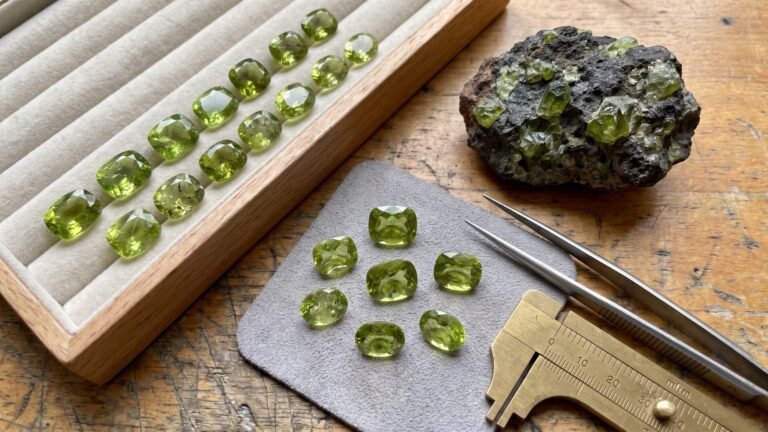
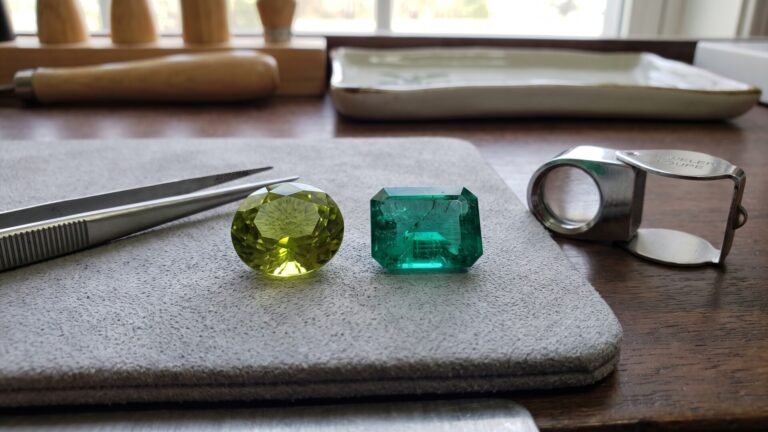
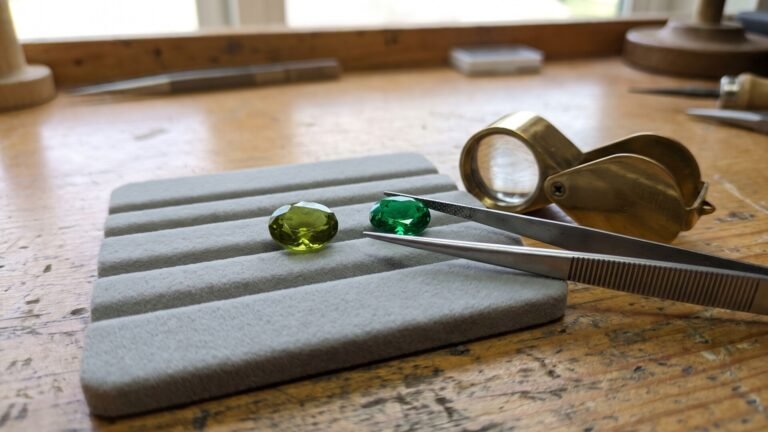
Before we talk about showering and sleeping, we need to understand what peridot actually is. I remember the first time I saw a high-quality peridot under a jeweler’s loupe. I was a novice then, and I was captivated. It wasn’t just green; it was alive with light. This gemstone, one of the few that comes in only a single color, is the gem variety of the mineral olivine. Its signature hue ranges from a yellowish-green to a deep, olive tone, and the most prized specimens have a saturated green with a hint of gold.
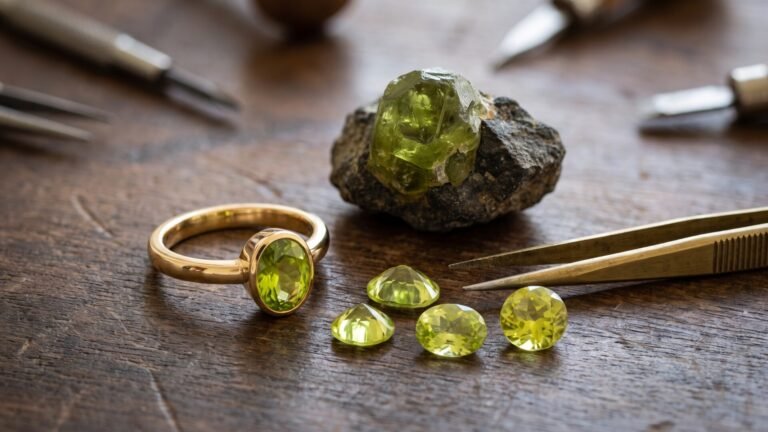
What makes peridot truly special is its origin. While many gems are forged deep within the earth’s crust, peridot is one of the few that can also be found in meteorites that have fallen to Earth. It’s a stone of cosmic proportions. On our planet, peridot was historically mined on Zabargad (St. John’s Island) in the Red Sea, though today the most productive sources include Myanmar, China, Pakistan, and the United States (notably Arizona). Its unusual origins contribute to its allure.
For centuries, peridot has been a stone of symbolism. Ancient Egyptians called it the “gem of the sun,” believing it could protect its wearer from terrors of the night. In Hawaiian culture, it is said to be the tears of the goddess Pele. Today, it’s celebrated as the birthstone for August, traditionally associated with strength, renewal, and the restorative power of nature (these are symbolic associations, not medical claims). It’s a stone that carries deep emotional weight, which makes protecting it all the more personal.
But here’s where the beauty meets reality. On the Mohs scale of hardness, peridot sits at 6.5 to 7. For context, that’s slightly softer than quartz (7) and noticeably softer than topaz (8), sapphire (9), or diamond (10). Hardness is a measure of scratch resistance, not toughness. GIA describes peridot’s toughness as fair to good, so it is suitable for jewelry, but it can scratch and can fracture from a hard blow. It is also sensitive to sudden temperature changes and to acids. This fundamental understanding is the key to answering our big question.
The Effects of Water on Peridot
Let me tell you about the time I thought a quick rinse would be a great way to clean my peridot. It’s a common assumption that water is harmless to gemstones. After all, many are formed in wet environments or are regularly cleaned with water by jewelers. But the reality is more complicated.
The primary concern with water and peridot isn’t the water itself, but what it brings with it and how it interacts with the stone’s physical properties. Unlike emerald, peridot is not routinely oiled or resin-filled; reputable references list no common treatments for it, so you do not need to worry about fillers washing out of a natural peridot. (Peridot can be imitated with glass or cubic zirconia, and sellers should disclose this, so a stone that behaves oddly may not be peridot at all.) The real water-related risks are indirect: soap film that dulls the surface and dirt that collects behind the stone, plus the heat and impact issues below.
Then there’s the issue of thermal shock. GIA notes that rapid or uneven temperature changes can cause peridot to fracture. A hot shower right after a cold bedroom is a mild version of that, and while a single instance is unlikely to crack a clean stone, a stone with existing internal fractures is at more risk. It is a good reason to avoid hot water, saunas, and steam cleaners.
We also have to talk about the myths. You’ll often hear that gemstones like diamonds and sapphires are “water-safe” and can be worn anywhere. That’s true for those tougher stones, but it’s a dangerous generalization. The myth that “it’s just water, it can’t hurt” is one of the biggest threats to softer gems like peridot. In my experience, the most common cause of a dulled or damaged peridot isn’t a dramatic drop; it’s the slow, cumulative effect of daily exposure to water, soap, and friction in the shower. It’s death by a thousand cuts.
The Impact of Soap and Chemicals
If water is the slow drip, soap is the hammer. Let me break down what’s really in your shower. Shampoos, conditioners, body washes, and even bar soaps are complex chemical cocktails. They contain surfactants, sulfates, parabens, and a host of fragrances and dyes. While these are generally safe for your skin and hair, they are not safe for your gemstones.
Here’s the thing: peridot is sensitive to acids. GIA notes it is easily damaged by sulfuric acid and, less easily, by hydrochloric acid, and that acidic perspiration can attack it over long periods. Ordinary shampoo and soap are far milder than those acids, so the main everyday problem is residue: a film of soap scum and conditioner that dulls the stone’s glassy luster. Strong cleaners, bleach, and acidic products are the real hazards. A peridot worn daily in the shower can end up looking faintly filmy, and a good clean usually restores it.
The build-up is another culprit. Soap scum and conditioner residue can accumulate in the crevices of a setting, clouding the stone from behind. This is particularly damaging for rings, where the underside of the gem is often open to the elements. The result is a stone that looks permanently dirty, no matter how much you wipe it.
My advice? Treat your peridot like you would a fine silk blouse. You wouldn’t wash that in the washing machine with your jeans, would you? The same principle applies. Keep it away from the chemical soup of your bathroom. If you absolutely must wear it, be mindful that every minute in that environment is a minute of wear and tear. But honestly, the best practice is to make a habit of removing it before you step in.
Sleeping with Peridot Jewelry
Now, let’s talk about the other part of the question: sleeping. This is a different kind of risk, less about chemistry and more about physics. When you sleep, you’re not in control of your body. You toss, you turn, you roll over onto your hands. This is where the danger lies.
The primary risk of sleeping in peridot jewelry is physical damage. A ring can be caught on sheets, a blanket, or a partner’s clothing, bending prongs or, worse, cracking the stone. A necklace can get twisted and put pressure on the clasp or the chain, leading to breakage. The stone itself can be scratched by harder materials it comes into contact with, such as metal from other jewelry or even the minerals in your own skin and hair.
Your sleep position matters more than you’d think. If you’re a side sleeper, a ring on that hand is constantly being pressed against your pillow, creating friction. If you’re a stomach sleeper, a pendant can be ground into the mattress. It is easy to bend or loosen a prong on a ring just by sleeping on your hand, which can mean a trip to the jeweler or a lost stone.
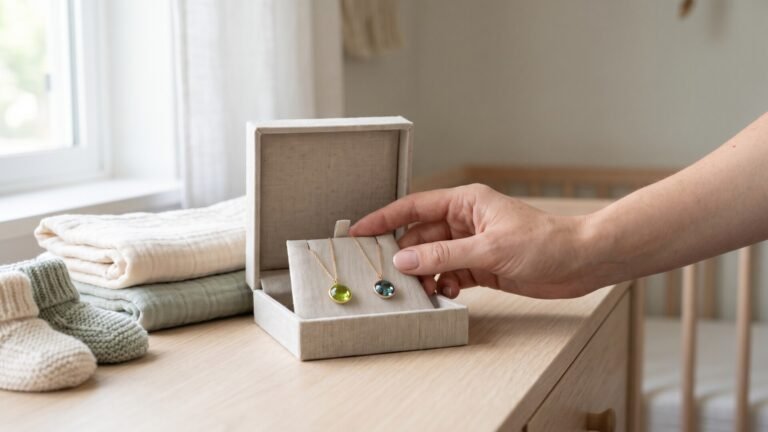
If you’re someone who really wants to wear jewelry to bed, not all pieces are created equal. A smooth, low-profile bezel-set pendant is far safer than a high-set ring or earrings with dangling elements. But even then, the safest option for your peridot is to take it off and place it in a safe spot. Your jewelry box isn’t just for storage; it’s a protective sanctuary. Think of it this way: the bed is for rest, and your peridot should be resting too.
Peridot Quick Facts
| Property | Peridot |
|---|---|
| Mineral | Olivine (gem variety) |
| Color | Yellowish green to olive green, colored by iron |
| Mohs hardness | 6.5 to 7 |
| Toughness | Fair to good (per GIA) |
| Common treatments | None routinely used |
| Sensitivities | Sudden temperature changes, acids, ultrasonic and steam cleaners |
| Best jewelry types | Pendants and earrings; rings with protective settings and mindful wear |
| Birthstone | August |
Is It Ever Okay to Wear Peridot in the Shower or to Bed?
Realistically, most people will forget occasionally, and one shower or one night is unlikely to do lasting harm to a solid, well-set peridot. The risk comes from habit. If you do wear a piece to bed or in the shower now and then, choose the safest piece in your collection: a smooth, bezel-set pendant or small stud earrings rather than a high-set ring, dangling earrings, or a delicate chain. Avoid hot water, rinse off soap and shampoo promptly, dry the piece afterward, and have the setting checked regularly. For daily wear, our complete peridot guide covers durability and buying choices, and our peridot meaning guide explores the stone’s symbolism. Peridot is also one of the August birthstones, and you can browse more stones in our Gemstones hub.
Best Practices for Protecting Peridot
I know what you’re thinking. “This sounds like a lot of rules.” But I promise, these best practices will become second nature. The goal isn’t to make you afraid to wear your jewelry; it’s to empower you to wear it with confidence, knowing you’re protecting your investment and your memories.
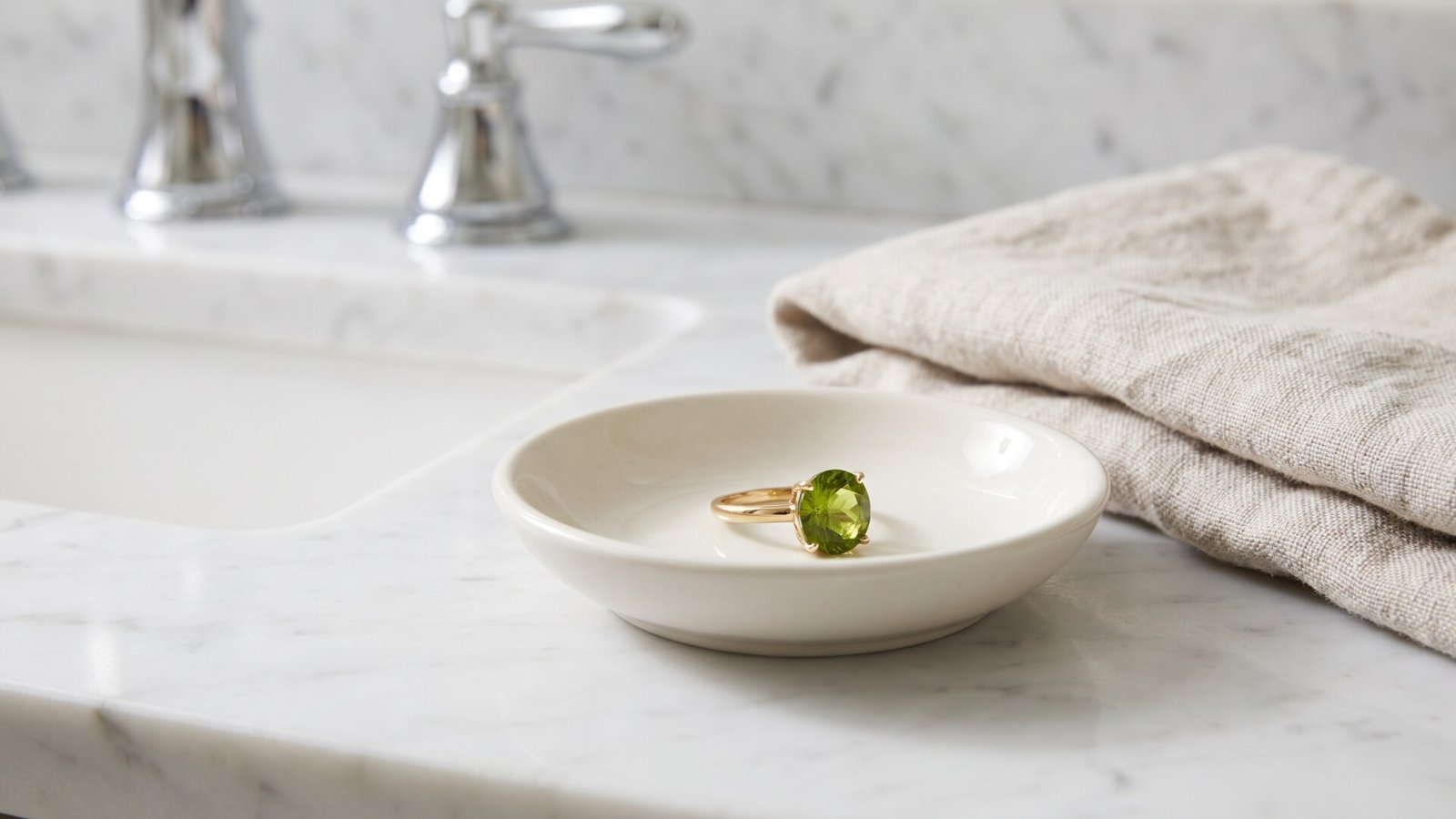
First, establish a routine. When you come home, make it a habit to remove your peridot jewelry before you start your evening wind-down. This is the single most effective thing you can do. Have a dedicated spot for it—a small dish, a jewelry box, or a pouch—so it’s never just tossed on a counter where it can get knocked off or scratched.
Second, think about storage. Peridot should be stored separately from harder stones to prevent scratches. A soft cloth pouch or a compartmentalized jewelry box is ideal. I always recommend [Affiliate: velvet jewelry pouches] for individual pieces; they’re inexpensive and offer excellent protection. Never store your peridot loose in a drawer with other jewelry.
Third, don’t forget about the post-exposure care. If your peridot does get wet, don’t panic. Gently pat it dry with a soft, lint-free cloth. Avoid rubbing, which can grind any abrasive particles into the stone’s surface. If it’s been exposed to soap, a quick rinse in lukewarm water (not hot!) followed by gentle drying is acceptable, but only in a pinch. The less water, the better.
Finally, consider a protective spray. There are jewelry protectants on the market that can create a thin, invisible barrier against moisture and chemicals. While not a substitute for removing your jewelry, they can add a layer of defense for those times you forget. I’ve used [Affiliate: jewelry protector sprays] on my own pieces and find them helpful for daily wear, though I still never shower or sleep in them.
Care and Maintenance for Peridot
Caring for peridot is less about elaborate rituals and more about consistent, gentle habits. The best way to clean your peridot is with a simple solution of lukewarm water and a few drops of mild dish soap. Use a soft baby toothbrush or a makeup brush to gently clean behind the stone and around the prongs. Then, rinse it thoroughly and pat it dry with a soft cloth.
Please, I’m begging you, stay away from ultrasonic cleaners and steamers (for another stone with similar cautions, see our guide to cleaning an opal ring safely). GIA and the Jewelers of America both recommend avoiding them for peridot: vibration and heat can loosen the stone or cause fractures. If you’re unsure, always err on the side of caution and stick to the manual method.
How often should you clean it? It depends on how often you wear it. A ring worn daily might need a gentle cleaning every couple of weeks. A pendant worn occasionally might only need it once a month. Listen to your jewelry. If it starts to look dull, it’s time for a clean. And at least once a year (the Jewelers of America suggest as often as twice a year for fine pieces), have a professional jeweler inspect your peridot jewelry. They can check the prongs, look for any hairline cracks, and give it a professional polish that will keep it looking its best. It’s a small investment for peace of mind.
Comparison of Peridot with Other Gemstones
To really understand where peridot stands, it helps to compare it to its gemstone cousins. I’ve created a simple table to illustrate the differences in durability and care. Remember, this is a general guide, and individual stones can vary.
| Gemstone | Hardness (Mohs) | Main care concerns | Shower and sleep advice |
|---|---|---|---|
| Peridot | 6.5-7 | Heat and sudden temperature change, acids, scratches, knocks | Remove for showering and sleeping |
| Emerald | 7.5-8 | Fractures and common filling treatments, chemicals, knocks | Remove for showering and sleeping |
| Amethyst | 7 | Prolonged strong light and heat can fade some stones, scratches | Tougher about water, but still best removed for sleeping |
| Sapphire / Ruby | 9 | Few; fracture-filled stones need extra care | Most forgiving, but soap film still dulls settings |
As you can see, peridot sits in a delicate middle ground. It’s harder than some, but its sensitivity to chemicals and thermal shock puts it in the “handle with care” category. Emeralds, despite being harder, are even more sensitive to chemicals due to their typical fracture-filling treatments. Amethyst, on the other hand, is a quartz, which is more stable and less reactive to water and mild soaps, making it a bit more forgiving. This comparison highlights why a one-size-fits-all approach to jewelry care simply doesn’t work. Each stone has its own personality and needs.
Why Long-Term Care Matters
Here’s where I want to share what I’ve learned beyond the textbooks. The long-term effects of neglecting peridot care are often invisible until it’s too late. I’m talking about the slow dulling of the surface, the subtle loosening of the stone in its setting, and the gradual accumulation of micro-scratches that rob the gem of its brilliance. It’s not a sudden break; it’s a process of erosion that happens over years. I’ve seen peridot rings that are decades old that look dull and lifeless, not because they were poorly made, but because they were never cared for properly.
This connects to a deeper truth about lifestyle and gemstone longevity. Your daily habits—whether you’re a swimmer, a gym-goer, or a shower-singer—directly impact how your jewelry ages. The most expensive, highest-quality peridot in the world will look like a cheap piece of glass if it’s mistreated. Conversely, a modest stone that’s cared for with love can remain a stunning, vibrant heirloom. It’s not about the price tag; it’s about the stewardship.
And then there’s the psychology of jewelry ownership. We form deep emotional connections with our pieces. A peridot ring might be a gift from a grandmother, a symbol of an August birthday, or a token of self-love. When we neglect to care for it, we’re not just risking physical damage; we’re risking a piece of our own story. Accidentally damaging a beloved piece can be genuinely upsetting. By adopting a mindful care routine, we honor the emotional significance of our jewelry. We’re not just maintaining a stone; we’re preserving a memory.
Frequently Asked Questions About Protecting Peridot While Showering Or Sleeping
Is it safe to wear peridot while swimming?
It’s best not to. Chlorine and salt water are unlikely to destroy a solid peridot in a single swim, but chlorine can damage metal settings and leave a film, cold water on warm skin is a thermal-shock risk, and the chance of knocking or losing the piece is high. Remove your peridot before swimming.
Can I wear peridot while exercising?
It’s risky. Sweat can leave a salty residue that dulls the stone, and the physical activity increases the risk of bumping or scratching it. For high-impact activities like weightlifting or rock climbing, definitely take it off. For gentler activities like yoga, it’s a judgment call, but I’d still recommend removing it to be safe.
How can I tell if my peridot jewelry is damaged?
Look for visible scratches, chips, or a dull, hazy appearance. You can also gently shake the piece near your ear; if you hear a rattle, the stone may be loose in its setting. If you notice any of these signs, take it to a professional jeweler immediately.
What should I do if my peridot gets wet?
Don’t panic. Gently pat it dry with a soft, lint-free cloth. Avoid rubbing. If it was exposed to soap, you can give it a quick rinse in lukewarm water, but only if necessary. The key is to minimize water exposure and dry it thoroughly.
Are there any specific cleaning products recommended for peridot?
Yes, a mild solution of lukewarm water and a few drops of gentle dish soap is perfect. You can also buy specialized jewelry cleaning solutions that are safe for softer gemstones. Always check the label to ensure it’s suitable for peridot. I recommend a [Affiliate: Brilliant Jewelry Cleaner] which is gentle and effective.
Is peridot treated or filled like emerald?
Peridot is not routinely oiled or filled. Reputable references list no common treatments for it, so it is generally sold in its natural state, but it can be imitated with glass or cubic zirconia, so buy from a seller who discloses what the stone is.
Can I wear peridot every day?
Yes, with care. With a hardness of 6.5 to 7 and fair to good toughness, peridot suits pendants and earrings well and can be worn in rings if the setting is protective and you take it off for rough work. Daily wear will eventually scratch it, so keep it away from harder stones.
Is one quick rinse in the sink harmful?
No. A brief rinse in lukewarm water is fine and is how you clean it anyway. The concern is repeated hot showers, soap film, and chemicals over time, not a single splash.
How often should I remove my peridot jewelry?
You should remove it before any activity that involves water, chemicals, or physical impact. This includes showering, sleeping, swimming, exercising, and cleaning. As a general rule, if you wouldn’t want to wear a silk shirt while doing it, don’t wear your peridot.
That’s the power of peridot. It’s not just jewelry. It’s a memory, a piece of the sun and the stars, a connection to a moment in time. And with a little care, it can be a memory that lasts for generations.