September Birthstone: Meaning, Symbolism, and Jewelry Guide
The September Birthstone at a Glance
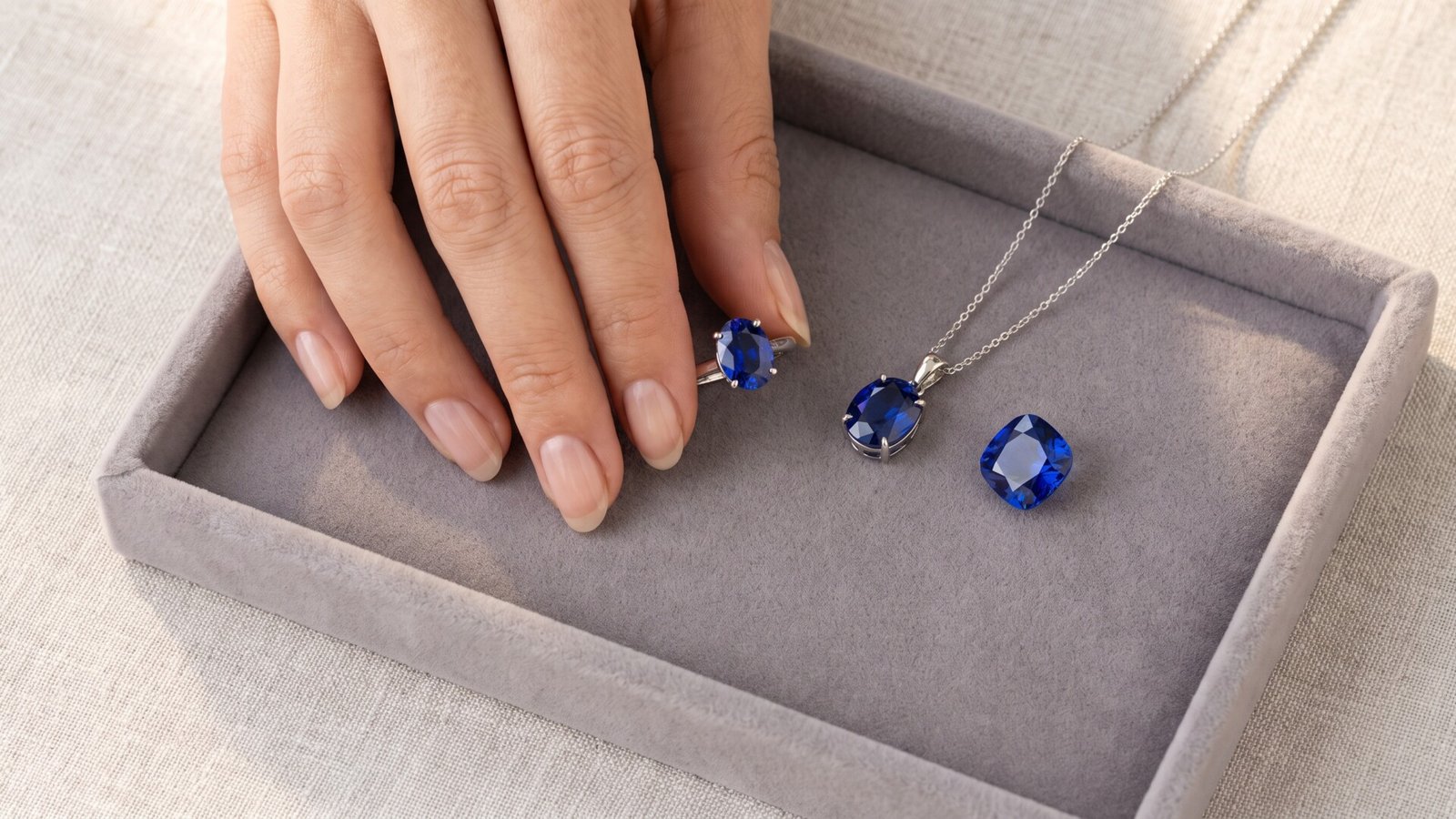
The September birthstone is sapphire, best known in deep blue but available in nearly every color except red. It is one of the most durable gems you can buy, rating 9 on the Mohs scale with no cleavage, and it has been prized for thousands of years by royalty and clergy. In tradition it stands for sincerity, truth, faithfulness and nobility.
This guide explains what sapphire is, why it represents September, how colors, treatments and origins affect price, which jewelry suits it and how to care for it. Where we describe meanings and symbolism, those are cultural traditions and beliefs rather than scientific or medical claims. For deeper dives, see our full sapphire guide, our sapphire meaning guide, the wider Birthstone Meanings & Symbolism hub and our Birthstone Jewelry Guide.
September is one month in our Birthstones by Month guide, where you can compare all twelve.
What Is the September Birthstone?
GIA names sapphire as the September birthstone. Birthstone lists vary somewhat between countries and organizations, but sapphire is the stone almost every modern list agrees on for September. Sapphire is the blue variety of the mineral corundum; the red variety is ruby. Other colors of corundum are also called sapphire, with the color named first (pink sapphire, yellow sapphire and so on). These are sometimes called “fancy sapphires.”
In tradition, sapphire is valued for:
- Wisdom and clarity, associated with thoughtful decisions and insight
- Protection and fidelity, historically believed to guard the wearer
- Calm and balance, linked in modern crystal practice with serenity
These are beliefs and associations, not proven effects. For the history of how birthstone lists developed, see our article on the history of birthstones.
Sapphire at a Glance: Key Facts
| Feature | Sapphire |
|---|---|
| What it is | Corundum (aluminum oxide); blue variety is called sapphire, red is ruby |
| Mohs hardness | 9, second only to diamond among well-known gems (moissanite is slightly harder) |
| Cleavage / toughness | No cleavage; excellent toughness for everyday wear |
| Colors | Blue, pink, yellow, green, purple, orange, colorless and color-change; star sapphires show a six-rayed star |
| Common treatments | Heat treatment (very common, permanent); less common are lattice diffusion, fracture filling and dyeing |
| Notable sources | Kashmir, Myanmar (Burma), Sri Lanka, Madagascar, Australia, Thailand, Cambodia and Montana in the United States |
| Everyday wear | Excellent for rings, pendants, earrings and bracelets |
These points follow GIA’s September birthstone information and standard gemological references. Our guide to the gemstone hardness scale explains why hardness and toughness are not the same thing.
Why Sapphire Is the Birthstone for September
Sapphire’s link to September is based on tradition, color and symbolism instead of any scientific connection. September marks the shift from summer toward autumn, a time often associated with reflection and preparation, and sapphire’s deep blue has long been used to represent clarity, loyalty and calm.
Symbol of Wisdom and Insight
Blue has long stood for the sky and for clear thinking. Sapphire is traditionally associated with focus, understanding and truth, which is why it appears so often in jewelry given to mark milestones.
Protection and Fidelity
The ancient Greeks and Romans believed sapphire protected against harm, and medieval clergy and royalty wore it as a sign of virtue and heavenly favor. In medieval Europe it was also credited with healing powers; those are historical beliefs, not medical facts, and sapphire does not treat any condition.
Calm and Balance
Sapphire’s serene color is why it is often tied in crystal practice to patience and thoughtful decision-making. As with the other symbolism on this page, treat it as meaning people have given the stone, not as an effect.
Historical and Cultural Significance
Sapphire has a long and distinguished history:
- An ancient Persian legend held that the earth rested on a giant sapphire whose reflection colored the sky blue. It is a myth, but it shows how closely the stone was tied to the heavens.
- In medieval Europe, clergy and royalty wore sapphire as a symbol of heavenly favor, protection and truth.
- Sri Lanka has been a source of sapphire for more than 2,000 years, and its pale “geuda” stones can be heat-treated to blue.
- Kashmir sapphires, discovered around 1881, became legendary for their velvety blue, and Myanmar’s Mogok region is prized for intense blue stones.
- Sapphire is the traditional gem for the 5th and 45th wedding anniversaries, and it has been a favorite of royalty for engagement rings.
Learn more in our sapphire meaning guide and our Birthstone Meanings & Symbolism hub.
Meaning and Symbolism of the September Birthstone
Sapphire is traditionally associated with:
- Wisdom and clarity: focus and understanding
- Loyalty and fidelity: a popular theme for romantic or friendship gifts
- Protection and serenity: historically a talisman against harm
- Truth and nobility: a gem of royalty and sincerity
Whether you take these meanings literally or simply enjoy them as a story, they can make a sapphire a meaningful gift. They are not a substitute for medical or professional advice.
Sapphire Colors Explained
Blue is the classic September choice, but every sapphire color is a legitimate way to celebrate a September birthday.
- Blue: from pale sky blue to deep royal and cornflower blue. The finest are medium-to-deep, richly saturated blues.
- Pink: a softer, romantic alternative; deeper pink corundum shades toward ruby.
- Yellow and orange: warm shades; see our comparison of citrine vs yellow sapphire.
- Green and purple: less common and usually more affordable.
- Colorless (white) sapphire: a diamond alternative; see moissanite vs white sapphire.
- Star and color-change sapphires: star sapphires show a six-rayed star in a cabochon, while color-change stones shift hue between light sources.
Our sapphire color guide and sapphire color spectrum explainer go into more depth, and blue gemstones and their meanings compares sapphire with other blue stones.
Treatments, Lab-Grown Stones and What to Ask When Buying
Treatments and synthetics are normal in the sapphire market, and they affect value, so disclosure matters.
- Heat treatment: By far the most common treatment. It improves color and clarity, is permanent and is widely accepted in the trade, although untreated stones of fine quality are rarer and usually worth more.
- Lattice (beryllium) diffusion: Adds color near the surface. GIA notes that the color can be shallow enough to be lost if the stone is chipped or recut, so it should be disclosed and priced accordingly.
- Fracture filling and dyeing: Less common and more fragile. Filled or dyed stones can be damaged by mild acids such as lemon juice and should only be wiped with a damp cloth.
- Lab-grown sapphire: Has the same chemistry and crystal structure as natural sapphire and is not an imitation. Synthetic sapphire is much cheaper than natural stones of similar appearance. See our guides to how to spot real vs synthetic sapphire and authenticity tests you can do at home, and read natural vs lab-grown birthstones to choose.
- Simulants: Blue glass, spinel and blue topaz are sometimes sold as sapphire look-alikes. Compare with sapphire vs blue topaz.
When origin is claimed, such as “Kashmir” or “Burmese,” ask for a laboratory report that supports it. Origin can raise a sapphire’s price dramatically, and it should not be assumed from a listing.
How Much Does Sapphire Cost?
Sapphire prices span a huge range because color, clarity, size, treatment and origin all matter. One published retail price guide gives these rough per-carat ranges in US dollars:
| Type | Approximate range per carat (USD) |
|---|---|
| Blue, outside Kashmir, fair to good grade | $350 to $3,000 |
| Blue, outside Kashmir, very good to top grade | $950 to $5,500 |
| Blue, Kashmir origin | Roughly $1,950 to $27,500, depending on grade |
| Pink | $80 to $4,000 |
| Yellow | $40 to $900 |
| Green | $15 to $200 |
| Purple | $200 to $750 |
| White (colorless) | $40 to $250 |
| Blue star sapphire | $200 to $1,450 |
| Color-change | $200 to $6,000 |
Treat these as rough guides: prices change, retail markups differ, and exceptional stones can cost far more. Finished jewelry also includes the cost of the metal and craftsmanship. If budget is tight, consider smaller stones, fancy colors, lab-grown sapphire, or a well-cut heat-treated blue stone, and ask for treatment disclosure in writing.
A Quick Checklist for Buying a Sapphire
- Start with color. For blue sapphire, medium-to-deep, evenly saturated blue is the most valued. Stones that are too dark look inky, and stones that are too pale are usually cheaper.
- Ask about treatment in writing. Heat treatment is routine and accepted. Lattice diffusion, fracture filling and dyeing should be disclosed because they change value and care.
- Confirm natural or lab-grown. Both are real sapphire, but they are priced very differently, and the listing should say which one you are buying.
- Do not take origin on faith. “Kashmir” and “Burmese” can multiply a price, so insist on a laboratory report that supports the claim.
- Check the cut and the setting. A well-cut stone with even color shows more life than a larger, dull one. Our gemstone shapes and cuts guide explains the options.
- Look at the return policy. Reputable sellers let you return a piece that is not as described. Our list of online stores for authentic birthstone jewelry is a good place to start comparing.
Sapphire Origins and Ethical Sourcing
Sapphire is mined in many countries, and some mining is small-scale and hard to trace. A stone’s country of origin does not by itself tell you how workers were treated, and “ethical” is not a legally defined term. Lab-grown sapphire avoids mining altogether, and recycled or antique stones add no new mining. For a full walkthrough of the certifications and questions to ask, read our guide to shopping for ethical gemstones and the Ethical Gemstone Shopping Guide.
September Birthstone Jewelry Ideas
Sapphire is one of the most versatile gemstones for jewelry because it resists scratching and chipping better than almost any colored stone.
Rings
Sapphire rings are popular for birthdays, engagements and anniversaries. With a hardness of 9 and no cleavage, sapphire suits daily wear, including as a center stone in an engagement ring. For ideas, see bridal birthstone accessories with sapphire as something blue.
Necklaces and Pendants
A sapphire pendant shows off the stone’s color for everyday wear or special occasions. See how to choose the perfect birthstone necklace.
Earrings
Studs and drops complement both casual and formal outfits and are among the lowest-maintenance ways to wear sapphire.
Bracelets
Sapphire bracelets, alone or with accent diamonds, are timeless gifts that symbolize loyalty and elegance.
For more ideas, browse our Birthstone Jewelry Guide and our birthstone gift ideas by relationship. For younger recipients, see birthstone gifts for kids by month; small gemstone pieces can be a choking hazard for young children, so choose age-appropriate designs.
Sapphire Alternatives for September
- Lab-grown sapphire: same chemistry and durability at a lower price.
- Tanzanite: a blue-violet gem that is softer and has cleavage; compare tanzanite vs sapphire.
- Blue topaz: affordable, but treated and with cleavage; see sapphire vs blue topaz.
- Ruby and sapphire together: both are corundum; see pigeon blood rubies vs royal blue sapphires.
Zodiac Connections
September spans two signs: Virgo (about August 23 to September 22) and Libra (about September 23 to October 22). Exact dates shift slightly from year to year, and zodiac stone lists differ between sources, so the pairings below are one popular tradition rather than a fixed rule.
- Virgo: sapphire is often linked in popular lists with focus, clarity and diligence.
- Libra: sapphire is often linked with harmony, balance and thoughtful relationships.
To see how zodiac and monthly stones fit together, read zodiac birthstones vs monthly birthstones.
Caring for September Birthstone Jewelry
Sapphire is durable, but good care keeps both the stone and the setting in shape.
Cleaning Tips:
- Warm, soapy water and a soft brush are always safe
- Ultrasonic and steam cleaners are generally safe for untreated, heat-treated and lattice-diffused stones, but not for fracture-filled or dyed ones, which should only be wiped with a damp cloth. If you are unsure whether your stone is filled, use soap and water
- Avoid harsh chemicals and mild acids such as lemon juice on filled or dyed stones
- Rinse and dry with a soft cloth
Storage Recommendations:
- Store separately; sapphire can scratch softer stones, and diamonds can scratch sapphire
- Keep in padded jewelry boxes or soft pouches
See our guide to the best jewelry cleaner fluids and ultrasonic machines for sapphire rings and the wider Birthstone Education & Buying Guides.
Fun Facts About the September Birthstone
- Sapphire is the same mineral as ruby: corundum. Sapphire is every color except red.
- Sapphire is the traditional gem for the 5th and 45th wedding anniversaries.
- The 62-carat Rockefeller Sapphire from Myanmar is one of the famous named sapphires.
- A 12-carat blue sapphire ring first worn by Princess Diana, later worn by Kate Middleton, is one of the best-known sapphire engagement rings.
- Star sapphires show a six-rayed star caused by tiny needle-like inclusions.
Learn more about why gems get their color in our guide to the science behind gemstone colors.
Frequently Asked Questions About The September Birthstone
What is the September birthstone?
Sapphire is the September birthstone. It is the blue variety of corundum, although sapphire also comes in pink, yellow, green, purple and other colors, and in colorless form.
Is sapphire durable enough for everyday wear?
Yes. Sapphire rates 9 on the Mohs scale and has no cleavage, which makes it one of the best colored gems for daily rings. Still, choose a secure setting and have prongs checked from time to time.
Are sapphires treated?
Most are. Heat treatment is very common and permanent. Less common treatments include lattice diffusion, fracture filling and dyeing, which can be less stable. Ask the seller to disclose any treatment.
What is the difference between sapphire and ruby?
Both are corundum. Ruby is the red variety, and sapphire is every other color, most famously blue.
How can I tell if a sapphire is real?
Home tests are unreliable. The most dependable way is a laboratory report that identifies the stone as natural or lab-grown and notes any treatment. Our guides on real vs synthetic sapphire explain the main signs.
Is lab-grown sapphire a real sapphire?
Lab-grown sapphire has the same chemistry and crystal structure as natural sapphire, so it is not a fake or a simulant. It should be sold as lab-grown, and it usually costs much less than a comparable natural stone.
How much does a sapphire cost?
Prices vary enormously. Some published guides put typical blue sapphires at a few hundred to several thousand dollars per carat, with rare Kashmir stones costing far more and lab-grown stones costing much less.
Can I clean sapphire in an ultrasonic cleaner?
Often yes for untreated, heat-treated and diffusion-treated stones, but not for fracture-filled or dyed ones. If you are not sure how your sapphire was treated, use warm soapy water and a soft brush instead.
Related Articles and Resources
- Sapphire: Meaning, Properties, Uses & Value
- Sapphire Meaning: History, Symbolism & Modern Uses
- Sapphire Color Guide
- How to Spot Real vs Synthetic Sapphire
- Birthstone Jewelry Guide
- Birthstone Meanings & Symbolism
- Birthstone Jewelry Gift Ideas by Relationship
- August Birthstone
- October Birthstone
Explore More Birthstones
To explore every month and its stones, visit our Birthstones by Month hub. Coming from the previous month? Read the August birthstone guide. Looking ahead? Continue to the October birthstone guide.
Or browse every month: January, February, March, April, May, June, July, November and December.
Final Thoughts
Sapphire is a rare combination of beauty, durability and meaning, which is why it has remained a September favorite for so long. Choose blue for tradition or a fancy color to stand out, ask how the stone was treated, and match the setting to how often it will be worn. Return to the Birthstones by Month hub to explore all twelve months.