Peridot Meaning: History, Symbolism, Spiritual Significance & Modern Uses
I have a confession that still surprises people who know I write about gemstones.
For years, I thought peridot was just a cheap green stone. The poor man’s emerald. Something you bought at a mall jewelry counter because you couldn’t afford the real thing. Then I started learning about its history. The ancient Egyptians mined it on a snake-infested island in the Red Sea and called it the “Gem of the Sun.” Roman nobles prized it as the “evening emerald” because its color didn’t fade in candlelight. And today, it’s the August birthstone — a symbol of renewal, prosperity, and the warmth of summer.
That’s the thing about peridot. It’s not just a green stone. It’s a stone with a story that spans 4,500 years and connects us to ancient civilizations, volcanic fire, and even outer space.
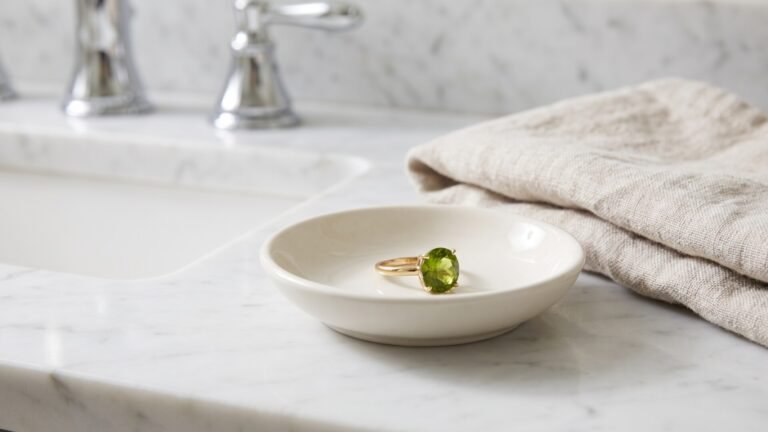
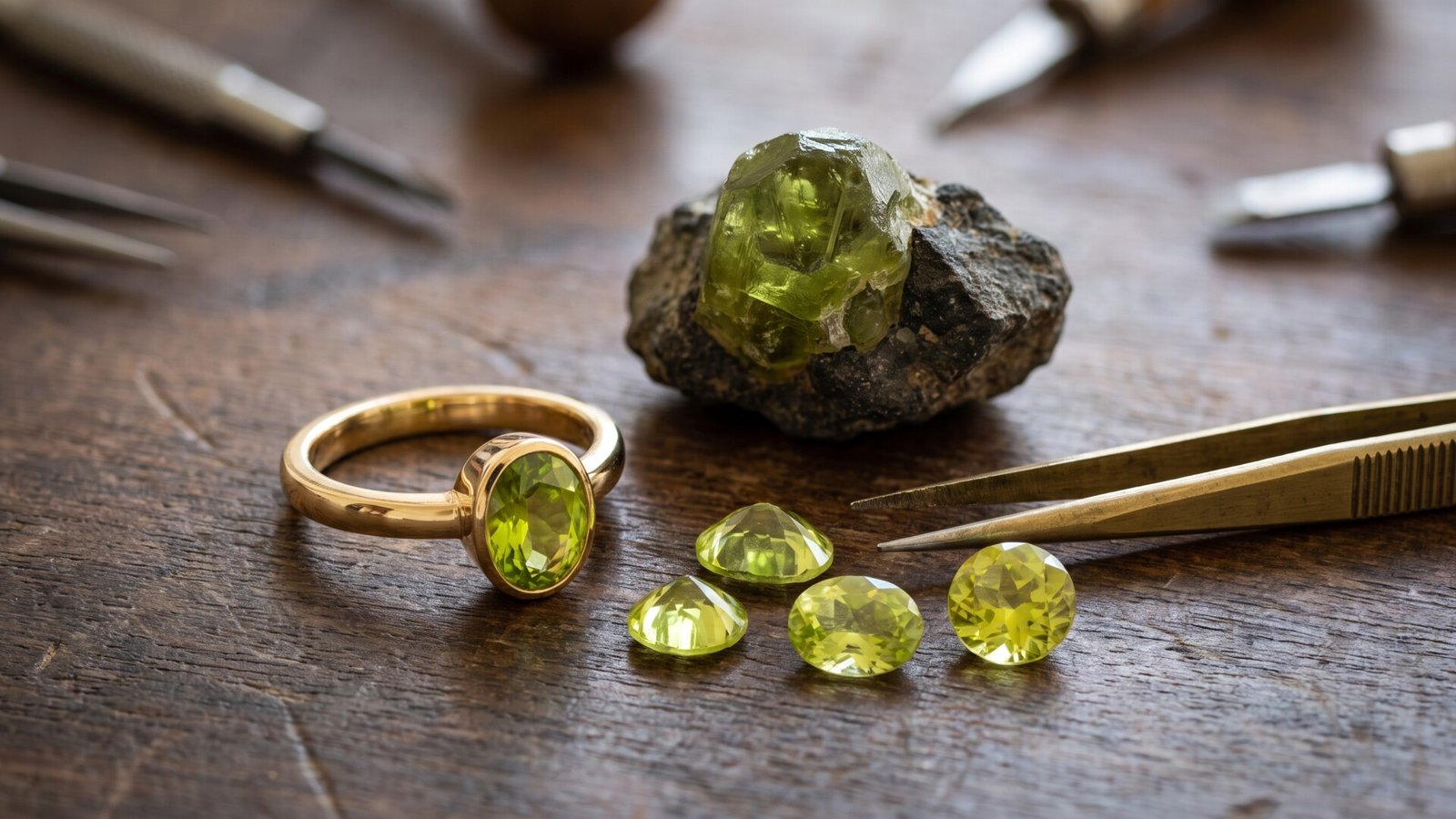
Peridot is the gem variety of the mineral olivine, a magnesium-iron silicate that forms deep within the Earth’s mantle. It’s one of the few gemstones that occurs in only one color — green — but that green ranges from pale yellow-green to deep, vibrant olive. Its name is derived from the Arabic faridat, meaning “gem.” But its meaning has grown far beyond that simple definition.
This guide covers everything you need to know about peridot’s meaning: its ancient origins, its symbolism across cultures, its spiritual and emotional associations, its role in astrology and birthstones, and how to choose the right peridot for your needs. Whether you’re an August baby, a Leo or Virgo, or simply someone drawn to the warmth of this remarkable gem, you’re about to discover why peridot has captivated humanity for millennia.
Peridot at a Glance
Before we dive deep into its meaning, here’s a quick reference guide to peridot’s key characteristics.
| Feature | Details |
|---|---|
| Mineral | Olivine (magnesium-iron silicate) |
| Color | Yellow-green to deep olive green |
| Hardness | 6.5–7 (Mohs scale) |
| Birthstone Month | August |
| Zodiac Associations | Leo, Virgo |
| Anniversary | 16th Wedding Anniversary |
| Symbolism | Renewal, prosperity, happiness, protection, personal growth |
What Does Peridot Mean?
Peridot’s symbolism is rich and varied, spanning thousands of years and dozens of cultures. At its core, the stone represents renewal, happiness, prosperity, and personal growth.
Renewal and Fresh Beginnings
Peridot’s bright green color has long been associated with spring, renewal, and new life. It symbolizes the ability to start fresh, to let go of the past, and to embrace new opportunities with optimism. For anyone going through a life transition — a new job, a new relationship, a new chapter — peridot is a powerful symbol of hope.
Happiness and Optimism
Peridot is often called the “stone of happiness.” Its warm, cheerful green color is believed to uplift the spirit, dispel negativity, and encourage a positive outlook on life. It’s a stone that reminds us to find joy in the present moment.
Prosperity and Abundance
Throughout history, peridot has been associated with wealth and good fortune. Its golden-green hue resembles the color of money, making it a natural symbol of prosperity. In many traditions, peridot is believed to attract abundance and success.
Personal Growth
Peridot is also a stone of personal development. It encourages self-reflection, emotional healing, and the courage to change. It helps the wearer let go of old patterns and embrace their full potential.
Confidence
Peridot is believed to boost self-confidence and personal power. It helps the wearer overcome self-doubt, fear, and anxiety. It’s a stone for those who need courage to face challenges or make bold decisions.
Emotional Healing
Peridot is used in emotional healing to release stress, anxiety, and negative thought patterns. Its warm, uplifting energy is believed to help the wearer process difficult emotions without becoming overwhelmed.
These meanings developed through centuries of cultural traditions rather than scientific evidence. The power of peridot lies in what people have believed about it for thousands of years.
Peridot Symbolism Throughout History
Peridot is one of the oldest known gemstones, with a history stretching back over 4,500 years. Its meaning has evolved across civilizations, each adding layers to its rich symbolism.
Ancient Egypt: The Gem of the Sun
The history of peridot goes back at least to 1500 BCE, when the ancient Egyptians began mining the gemstone. The earliest peridot source was on Zabargad Island, a small, desolate island in the Red Sea, off the coast of Egypt.
Mining on Zabargad was dangerous work. The island was known for being infested with snakes. The Egyptians believed that peridot was the “Gem of the Sun,” carrying the sun’s warmth and protective power. They used peridot extensively in jewelry for priests and believed it could protect the wearer from “the terrors of the night,” ensuring restful sleep and warding off evil spirits.
The Egyptians called it the “Gem of the Sun” because its vibrant green color seemed to glow with inner fire. It was believed to hold the power of Ra, the sun god. Priests wore peridot jewelry during ceremonies and rituals. Some historians believe that Cleopatra’s famous emerald collection might actually have been peridot — the stones from Zabargad Island were often mistaken for emeralds.
Ancient Rome: The Evening Emerald
The Romans treasured peridot for a specific quality: its color did not change in artificial light. Unlike emeralds, which could look dark or black in candlelight, peridots held onto their golden-green vibrancy even after sunset. This earned them the nickname “emeralds of the evening.”
Peridot became popular among Roman nobility as a symbol of wealth and success. It was often set in gold and worn as a talisman for prosperity. Roman soldiers also carried peridot amulets into battle, believing the stone would protect them from harm and bring victory.
Medieval Europe: Protection and Piety
During the Middle Ages, peridot was used to decorate church ornaments and religious objects. It was believed to dissolve enchantments and banish evil thoughts, especially when set in gold. Peridot was also associated with purity and was used in religious artifacts to symbolize spiritual clarity.
In medieval times, peridot was believed to protect against nightmares and ward off evil spirits. People wore peridot amulets to bed, believing the stone would ensure restful sleep and protect them from the “terrors of the night.”
Hawaiian Traditions: The Tears of Pele
In Hawaiian tradition, peridot is sacred to Pele, the goddess of fire and volcanoes. The tiny green crystals found in the lava flows of Kilauea are believed to be her tears, mourning for lost lovers or celebrating the birth of new land.
Peridot is also known locally as “Hawaiian diamond.” The island of Oahu has beaches with green sand made of tiny olivine crystals, which are the same mineral as peridot. These green sand beaches are sacred sites in Hawaiian tradition.
Modern Symbolism
Today, peridot’s meaning encompasses all of these historical associations — and more. It’s the stone of renewal, prosperity, happiness, and protection. It’s used in meditation, crystal healing, and jewelry. And its bright, cheerful green color makes it one of the most popular gemstones for summer jewelry.
How the Meaning of Peridot Has Evolved Over Time
| Time Period | Primary Meaning |
|---|---|
| Ancient Egypt | “Gem of the Sun”; protection against darkness and evil spirits |
| Ancient Rome | “Evening emerald”; wealth, success, and brilliance in low light |
| Medieval Europe | Piety; protection against nightmares and evil thoughts |
| Hawaiian Traditions | Tears of Pele; sacred connection to volcanoes and nature |
| Modern Crystal Culture | Renewal, happiness, prosperity, emotional healing, personal growth |
The Spiritual Meaning of Peridot
Note: The following information is based on cultural and spiritual beliefs, not established scientific fact. Peridot’s spiritual properties are matters of tradition and personal experience, not medical evidence.
Peridot’s spiritual meaning is deeply connected to renewal, emotional healing, and personal growth.
Emotional Healing
Peridot is believed to be a powerful emotional healer. It helps the wearer let go of negativity, release resentment, and find emotional balance. Its warm, uplifting energy encourages forgiveness and compassion — both for oneself and for others.
- Letting go of negativity: Peridot is believed to release old grudges, resentments, and negative thought patterns. It encourages forgiveness and emotional freedom.
- Releasing resentment: The stone is thought to help the wearer release resentment and anger, creating space for more positive emotions.
- Emotional balance: Peridot’s energy is warm and uplifting, believed to help balance emotions and reduce mood swings.
- Inner peace: Peridot encourages a sense of calm and inner peace, helping the wearer navigate life’s challenges with grace.
Growth and Transformation
Peridot is a stone of transformation. It encourages personal growth, new beginnings, and positive change. It helps the wearer move forward after setbacks and embrace new opportunities.
- New beginnings: Peridot is a powerful stone for new beginnings. It helps the wearer leave the past behind and embrace new opportunities.
- Personal development: Peridot encourages self-reflection and personal growth. It helps the wearer identify their goals and pursue them with confidence.
- Positive change: Peridot supports positive change by encouraging the wearer to let go of old patterns and embrace new ones.
- Moving forward after setbacks: Peridot is a stone of resilience. It helps the wearer recover from setbacks and move forward with renewed optimism.
Prosperity and Success
Peridot has long been associated with abundance and prosperity. It’s believed to attract wealth, success, and good fortune.
- Attracting abundance: Peridot is often called the “stone of abundance.” It’s believed to attract wealth, success, and good fortune.
- Confidence in decision-making: Peridot boosts confidence, helping the wearer make decisions with clarity and conviction.
- Career motivation: Peridot is believed to support career success by encouraging motivation, focus, and determination.
- Financial symbolism: The golden-green color of peridot resembles money, making it a natural symbol of prosperity.
Protection from Negative Energy
Throughout history, peridot has been worn as a protective talisman. It’s believed to shield the wearer from negative energy, harmful influences, and physical danger.
- Protection during travel: Ancient travelers carried peridot for protection on long journeys.
- Guarding against evil spirits: Peridot was believed to ward off evil spirits and negative energy.
- Reducing fear: Peridot helps the wearer overcome fear and anxiety.
- Encouraging optimism: Peridot promotes a positive outlook, which is often the best protection against negativity.
Peridot and the Heart Chakra
Peridot’s green color naturally connects it to the heart chakra — the energy center associated with love, compassion, and emotional balance.
Why Peridot Is Linked to the Heart Chakra
In spiritual traditions, the heart chakra (Anahata) is located at the center of the chest and is associated with love, compassion, forgiveness, and emotional openness. Green is the color of the heart chakra, making peridot a natural stone for heart-centered healing.
Peridot is believed to help open the heart chakra, allowing the wearer to give and receive love more freely. It encourages compassion, forgiveness, and emotional openness — both for oneself and for others.
Compassion and Forgiveness
Peridot helps the wearer develop compassion — for themselves and for others. Its warm, forgiving energy encourages letting go of resentment and embracing understanding.
Emotional Openness
Peridot encourages emotional openness, helping the wearer express their feelings honestly and authentically. It’s a stone for those who struggle to share their emotions or who need help opening up.
Healthy Relationships
Peridot is believed to support healthy, balanced relationships. It encourages honest communication, mutual respect, and shared compassion. It’s often used to heal relationship wounds and restore harmony.
Self-Love
Peridot is also a stone of self-love. It helps the wearer develop self-compassion, release self-criticism, and embrace their own worth.
Peridot Meaning in Different Cultures
Peridot has been treasured across cultures and continents. Here’s how different traditions have interpreted its meaning.
Egyptian Beliefs
The Egyptians called peridot the “Gem of the Sun.” They mined it on Zabargad Island and used it in jewelry for priests and royalty. They believed it carried the sun’s warmth and protective power, warding off evil spirits and ensuring restful sleep.
Roman Beliefs
The Romans called peridot the “evening emerald” because of its brilliance in candlelight. They valued it as a symbol of wealth and success, and Roman soldiers carried peridot amulets for protection in battle.
Medieval Europe
Peridot was used to decorate church ornaments and religious objects. It was believed to dissolve enchantments and banish evil thoughts. It was also worn as a protective talisman against nightmares.
Modern Crystal Traditions
Today, peridot is widely used in meditation, mindfulness, and crystal healing. It’s associated with renewal, prosperity, happiness, and emotional healing.
Contemporary Jewelry Symbolism
In modern jewelry, peridot symbolizes summer vitality, warmth, and the joy of life. It’s the August birthstone and is often given as a gift to celebrate birthdays, anniversaries, and new beginnings.
Peridot as the August Birthstone
Why Peridot Represents August
Peridot became the modern August birthstone through a combination of tradition and color symbolism. Its vibrant green hue embodies the lush vitality of late summer — a time of warmth, growth, and abundance.
Birthstone history: Peridot has been associated with August since the 15th century, when birthstone lists were first standardized. Its bright green color symbolizes the warmth and vitality of the summer sun.
Seasonal symbolism: August is the height of summer in the Northern Hemisphere — a time of warmth, growth, and abundance. Peridot’s sunny green color perfectly captures this seasonal energy.
Summer vitality: Peridot is a stone of life and vitality. It represents the energy and enthusiasm of summer, reminding us to embrace life with optimism and joy.
Meaning for August Birthdays
Common symbolic traits associated with peridot for August birthdays include:
- Optimism: Peridot encourages a positive outlook on life.
- Creativity: Peridot stimulates creativity and self-expression.
- Determination: Peridot boosts determination and perseverance.
- Generosity: Peridot encourages generosity and compassion.
- Confidence: Peridot boosts self-confidence and personal power.
Clarify that these are traditional associations rather than personality predictors.
Peridot Meaning in Love and Relationships
Peridot carries deep meaning in matters of love, friendship, and family.
Romantic Symbolism
Peridot traditionally represents:
- Trust: Peridot encourages trust and honesty in relationships.
- Honest communication: Peridot supports clear, honest communication between partners.
- Loyalty: Peridot symbolizes loyalty and commitment.
- Harmony: Peridot promotes harmony and balance in relationships.
- Forgiveness: Peridot encourages forgiveness and emotional healing.
Friendship
Peridot is a stone of friendship, representing:
- Kindness: Peridot encourages kindness and compassion toward friends.
- Support: Peridot offers emotional support to friends in need.
- Compassion: Peridot promotes empathy and understanding.
- Positive energy: Peridot brings positivity and joy to friendships.
Family
Peridot is also a stone of family unity, representing:
- Unity: Peridot encourages family unity and connection.
- Emotional healing: Peridot helps heal family wounds and restore harmony.
- Strengthening relationships: Peridot supports deeper connections between family members.
Peridot Meaning in Jewelry
When peridot is worn in jewelry, its meaning is amplified by its proximity to the body.
Rings
A peridot ring symbolizes:
- New beginnings: Starting a new chapter in life.
- Hope: Optimism for the future.
- Growth: Personal development and transformation.
Necklaces
A peridot necklace is worn close to the heart, symbolizing:
- Keeping positive intentions close: Peridot’s uplifting energy is always near the heart.
- Heart-centered symbolism: Compassion, love, and emotional openness.
Bracelets
A peridot bracelet offers:
- Everyday reminder of optimism: Worn on the wrist as a constant reminder to stay positive.
- Personal growth: Encouragement to grow and evolve.
Earrings
Peridot earrings represent:
- Confidence: Self-assurance and personal power.
- Joy: Embracing happiness and positivity.
- Self-expression: Authentic self-expression and creativity.
Anniversary Meaning of Peridot
Peridot is traditionally associated with the 16th wedding anniversary. It symbolizes:
- Renewed commitment: A love that has grown and deepened.
- Growth together: The couple has grown together over the years.
- Shared prosperity: Abundance and success shared as a partnership.
Dreams and Peridot Symbolism
Historical folklore includes beliefs that peridot may symbolize:
- Protection while sleeping: Peridot was placed under pillows to ward off nightmares.
- Clear thinking: Peridot was believed to promote mental clarity in dreams.
- Positive dreams: Peridot was thought to encourage pleasant, meaningful dreams.
- Emotional clarity: Peridot helps process emotions during sleep.
Clarify these are traditional beliefs, not established facts.
Peridot in Modern Crystal Practices
In contemporary crystal healing, peridot is used for:
- Meditation: Peridot’s calming energy helps deepen meditation practice.
- Mindfulness: Peridot encourages present-moment awareness.
- Gratitude rituals: Peridot is often used in gratitude practices to cultivate appreciation.
- Positive affirmations: Peridot supports affirmations for self-love, abundance, and personal growth.
- Decorative crystal collections: Peridot’s bright green color makes it a popular addition to crystal collections.
Benefits are personal and not medically established.
Common Myths About Peridot Meaning
Myth: Peridot Brings Instant Wealth
Reality: Peridot is a symbolic representation of abundance, not a guarantee of financial success. It’s a reminder to cultivate a prosperous mindset, but it doesn’t replace effort or planning.
Myth: Only August Birthdays Can Wear Peridot
Reality: Anyone can enjoy peridot, regardless of their birth month. Its meaning — renewal, happiness, prosperity — is universal.
Myth: Peridot Has Proven Healing Powers
Clarify: Peridot’s healing properties are matters of cultural belief and spiritual practice, not scientific evidence. There is no medical proof that peridot can heal physical or mental conditions. Its value lies in the meaning we assign to it.
Frequently Asked Questions About Peridot Meaning
What does peridot symbolize?
Peridot symbolizes renewal, happiness, prosperity, protection, and personal growth. It’s associated with new beginnings, optimism, and emotional healing.
What is the spiritual meaning of peridot?
Peridot is spiritually associated with emotional healing, letting go of negativity, personal transformation, and attracting abundance. It’s believed to promote inner peace and positive energy.
Is peridot considered lucky?
Many cultures consider peridot a lucky stone for wealth, success, and protection. It’s also a stone of good fortune in relationships and career.
Why is peridot called the Gem of the Sun?
The ancient Egyptians called peridot the “Gem of the Sun” because its bright green color seemed to glow with inner fire, like sunlight captured in stone.
What chakra is associated with peridot?
Peridot is associated with the heart chakra (Anahata) due to its green color. It’s believed to open the heart to love, compassion, and emotional openness.
Can anyone wear peridot?
Yes. While peridot is the August birthstone, anyone can wear it. Its universal meanings — renewal, happiness, prosperity — apply to everyone.
Is peridot a good gift?
Yes. Peridot is a meaningful gift for many occasions: birthdays, especially August birthdays; the 16th wedding anniversary; new beginnings, such as graduations or new jobs; and “just because” gifts to symbolize encouragement and support.
What emotions does peridot represent?
Peridot represents happiness, optimism, confidence, compassion, and emotional healing. It encourages letting go of negativity and embracing positive emotions.
Final Thoughts: What Does Peridot Really Mean?
Peridot’s meaning has evolved over thousands of years — from a protective talisman for ancient Egyptians to a symbol of prosperity for Roman nobles to a modern tool for emotional healing and personal growth. But through all these changes, one thing has remained constant: peridot represents the warmth and vitality of life itself.
Whether you’re drawn to its bright green color, its ancient history, or its modern spiritual associations, peridot offers something meaningful. It’s a stone that connects us to the past — to the Egyptians who called it the “Gem of the Sun,” to the Romans who treasured it as the “evening emerald,” to the Hawaiians who saw it as the tears of a goddess. And it’s a stone that connects us to ourselves — to our own capacity for renewal, happiness, and growth.
The most powerful meaning of peridot, however, is personal. It’s the meaning you assign to it. It’s the intention you set when you wear it. It’s the reminder you give yourself to stay optimistic, embrace change, and pursue your goals with confidence.
So whether you choose a bright yellow-green peridot for everyday wear or a deep olive stone for special occasions, choose the peridot that resonates with you. Because the stone’s meaning is ultimately what you make of it.
Related Guides
- August Birthstone Guide
- Leo Birthstone Guide
- Virgo Birthstone Guide
- [Peridot Colors Guide]
- [Peridot Jewelry Guide]
- [Peridot Buying Guide]
- [Crystal Meanings Hub] (coming soon)
Ready to find your peridot? Browse our collections below.
[Shop Peridot Jewelry at Blue Nile]
[Shop Peridot Rings at James Allen]
[Shop Ethical Peridot at Brilliant Earth]
[Explore More Birthstone & Crystal Guides]