Citrine Meaning: History, Symbolism, Spiritual Properties & Modern Uses
Citrine is sometimes dismissed as a budget yellow stone, yet yellow quartz has been used in jewelry for well over two thousand years. Today citrine is a modern November birthstone — a symbol of abundance, confidence, and the golden warmth of autumn.
This guide keeps three things apart: gemological fact (what citrine is and how it is treated), documented history, and tradition or belief (symbolism, feng shui, crystal healing).
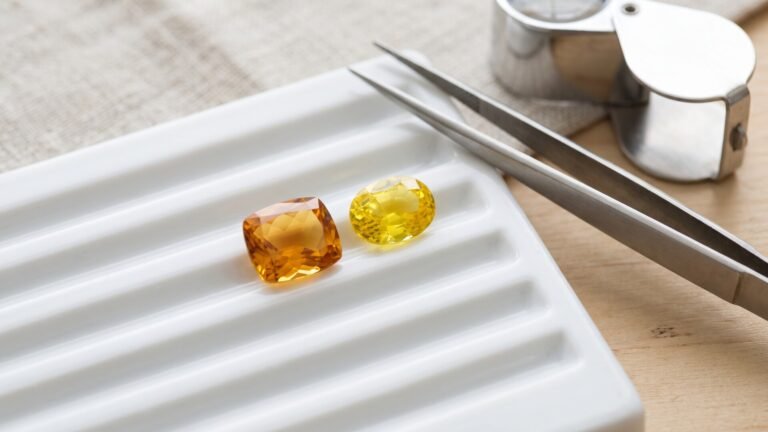
Citrine is the transparent yellow-to-orange variety of quartz, prized for its warm, sunlit color and remarkable affordability. Its name comes from the Old French citrin, meaning “lemon” — a nod to its bright, citrus-like hue. But its meaning has grown far beyond that simple definition.
This guide covers everything you need to know about citrine’s meaning: its ancient origins, its symbolism across cultures, its spiritual and emotional associations, its role in astrology and birthstones, and how to choose the right citrine for your needs. Whether you’re a November baby, a Sagittarius or Scorpio, or simply someone drawn to the warmth of this remarkable gem, here is what is fact, what is tradition, and what to know before you buy.
Citrine at a Glance
Before we dive deep into its meaning, here’s a quick reference guide to citrine’s key characteristics.
| Feature | Details |
|---|---|
| Mineral | Quartz (silicon dioxide) |
| Color | Pale yellow to deep golden-orange to reddish orange |
| Hardness | 7 (Mohs scale) |
| Birthstone Month | November |
| Zodiac Associations | Sagittarius, Scorpio |
| Anniversary | 13th Wedding Anniversary |
| Symbolism | Abundance, confidence, joy, success, creativity, prosperity |
Citrine Gemstone Facts (Versus Tradition)
The table below covers gemological facts. The symbolism, feng shui, astrology, and chakra associations later in this guide are traditions and beliefs, not scientifically established effects. Most citrine sold today is heat-treated amethyst, which is a normal, accepted treatment when disclosed.
| Property | Citrine |
|---|---|
| Species and variety | Quartz (silicon dioxide); the yellow to orange-brown variety, colored by trace iron |
| Hardness | 7 on the Mohs scale (scratch resistance) |
| Toughness and cleavage | Good toughness; no cleavage, conchoidal fracture. A hard knock can still chip or fracture it |
| Refractive index | About 1.54 to 1.55 |
| Common treatment | Heat treatment of amethyst or smoky quartz produces most commercial citrine; natural-color citrine is much less common |
| Lab-grown and simulants | Lab-grown (synthetic) quartz in citrine color exists and has the same chemistry. Simulants such as yellow glass only imitate the look |
| Care | Warm soapy water and a soft brush; avoid sudden temperature changes and prolonged strong heat or light |
What Does Citrine Symbolize?
Citrine’s symbolism is one of the richest of any gemstone — warm, optimistic, and deeply connected to success and prosperity.
Abundance and Prosperity
Citrine has long been known as the “Merchant’s Stone” or “Money Stone.” In folklore and modern crystal lore, carrying or wearing citrine is said to attract wealth, success, and good fortune. Its golden-yellow color naturally evokes gold and material success, making it a powerful symbol of financial abundance.
Confidence
In crystal lore, citrine is associated with self-confidence and personal power, and some people wear it as a reminder to face self-doubt. It is a symbol, not a treatment for fear or anxiety. It’s a stone for those who need courage to face challenges or make bold decisions.
Optimism and Joy
Citrine is called the “happy stone” for good reason. Its cheerful, sunny color is believed to uplift the spirit, dispel negativity, and encourage a positive outlook on life. It’s a stone that reminds us to find joy in the present moment.
Creativity
Citrine fires up creativity and imagination. It’s a stone for artists, writers, and anyone who needs to tap into their creative potential. It helps clear mental blocks and encourages innovative thinking.
Personal Success
Citrine is often referred to as the “success stone.” Its association with manifestation, wealth, and imagination makes it a popular choice for entrepreneurs and anyone striving for achievement.
Positive Energy
In crystal-healing practice, citrine is said to carry the energy of the sun. Unlike some crystals, it is said not to absorb negative energy — it repels it instead. This makes it an excellent stone for maintaining a positive, uplifting environment.
Why Citrine Is Known as the “Merchant’s Stone”
The nickname “Merchant’s Stone” developed through centuries of folklore. Merchants and traders carried citrine to attract customers and ensure profitable transactions. The belief was that citrine’s golden color would draw wealth and success to its owner. This tradition continues today, with many entrepreneurs and business owners keeping citrine on their desks or in their wallets.
The Meaning Behind Citrine’s Golden Color
Yellow is the color of the sun, of gold, of abundance. Citrine’s warm, golden hue symbolizes optimism, prosperity, and the life-giving energy of sunlight. Its color reminds us of the harvest, of abundance gathered in, of the rewards of hard work. This is why citrine is the perfect stone for the autumn month of November — a time of harvest, gratitude, and preparation for the winter ahead.
The History of Citrine Meaning
Citrine is one of the oldest known gemstones, with a history stretching back thousands of years. Its meaning has evolved across civilizations, each adding layers to its rich symbolism.
Ancient Egypt: Talismans for Prosperity
Popular sources often say the ancient Egyptians used citrine as a talisman for protection and prosperity, and that its golden color evoked the sun. Firm archaeological documentation for citrine specifically is thin, and yellow quartz was easily mistaken for other yellow stones, so treat this as tradition rather than established history.
Ancient Greece and Rome: Decorative Gems and Rings
Gemological references describe yellow quartz being used in Greek jewelry during the Hellenistic period (roughly 300–150 BCE), including carved gems such as intaglios and cameos. Claims that it was believed to have protective powers are tradition rather than documented fact.
Some sources say Roman priests wore citrine rings, though this is repeated more often than it is documented. In both cultures, citrine was often confused with yellow topaz, as their similar colors made them difficult to distinguish. This confusion intertwined the symbolism of the two stones for centuries.
Medieval Europe: Protection Against Negative Influences
Medieval and later lapidary tradition credited yellow quartz with protective powers, such as warding off evil thoughts and snake venom. These were historical beliefs, not medical facts: citrine does not neutralize venom or treat any condition.
Heat Treatment and 20th-Century Jewelry
Heat treatment of amethyst and smoky quartz to produce citrine’s golden colors became commercially important over time (exact dates are uncertain). It greatly increased the supply of citrine and is a main reason it stays affordable.
Citrine appeared in large cocktail-style jewelry of the early-to-mid 20th century and remains one of the most widely sold yellow gemstones today.
Modern Symbolism
Today, citrine’s meaning encompasses all of these historical associations — and more. It’s the stone of abundance, confidence, and success. It’s used in meditation, crystal healing, and jewelry. And its warm, golden color makes it one of the most popular gemstones for autumn and winter jewelry.
How Citrine’s Meaning Has Changed Over Time
| Time Period | Primary Meaning |
|---|---|
| Ancient Egypt | Talisman for prosperity and protection |
| Ancient Greece | Decorative gem; protective powers |
| Roman Empire | Rings for priests; association with prosperity |
| Middle Ages | Protection against evil thoughts, heartache, and venom |
| 20th Century | Widely worn, affordable jewelry gem |
| Modern Crystal Culture | Abundance, confidence, success, positivity |
This evolution reflects broader cultural shifts. In ancient times, citrine was valued for its protective properties. Today, it’s valued for its prosperity and success symbolism — a shift from external protection to internal empowerment and wealth attraction.
Citrine in Different Cultures
Citrine has been treasured across cultures and continents. Here’s how different traditions have interpreted its meaning.
Ancient Mediterranean Cultures
Egyptians used citrine as talismans for protection and prosperity. Greeks carved it into decorative stones and believed it had protective powers. Roman priests fashioned citrine into rings, valuing it for its beauty and its association with wealth.
European Traditions
In medieval and later European lore, yellow quartz was credited with protective powers against evil thoughts and snake venom. These are historical beliefs, not medical claims.
Eastern Symbolism and Feng Shui
In Feng Shui, citrine is associated with abundance and prosperity. It is often placed in the wealth corner of a room or house to attract financial abundance. Its golden color is believed to radiate Earth element energy, attracting wealth and boosting career success. Citrine trees and wealth bowls are popular Feng Shui items, used to attract prosperity and positive energy.
Modern Western Crystal Practices
Today, citrine is one of the most popular stones in Western crystal healing. It’s used for meditation, mindfulness, and manifestation. Its association with the solar plexus chakra makes it a powerful tool for building confidence and personal power.
Common Themes Across Cultures
Despite their differences, most cultures share some common beliefs about citrine:
- It attracts wealth and prosperity.
- It promotes optimism and positive energy.
- It offers protection against negativity.
- Its golden color symbolizes the sun and life-giving energy.
Where Interpretations Differ
The main difference lies in the specific application:
- Ancient cultures focused on protection and magical properties.
- Eastern traditions emphasize Feng Shui placement for wealth.
- Modern practitioners emphasize personal empowerment and success.
Spiritual Meaning of Citrine
Note: The following information is based on cultural and spiritual beliefs, not established scientific fact. Citrine’s spiritual properties are matters of tradition and personal experience, not medical evidence.
Citrine’s spiritual meaning is deeply connected to abundance, confidence, and positive energy.
Abundance and Manifestation
Citrine is a powerful stone for manifesting abundance. Its golden color represents wealth, success, and material prosperity. It’s believed to attract financial opportunities and help the wearer achieve their goals. Many people place citrine in their wallet or purse as a talisman for good fortune.
Confidence and Personal Power
Citrine is associated with the solar plexus chakra, the energy center connected to personal power and self-confidence. Some people wear it as a reminder to face self-doubt and fear. It’s a stone for those who need courage to face challenges or make bold decisions.
Motivation and Drive
Citrine is a stone of action. It motivates the wearer to pursue their goals with determination and persistence. It’s especially helpful for those who feel stuck or lacking in energy. It fires up creativity and maintains the balance of energies.
Joy and Positivity
Citrine’s cheerful, sunny color is believed to uplift the spirit and dispel negativity. It promotes a sense of happiness and light. It’s a stone that reminds us to find joy in the present moment and maintain a positive outlook on life.
Creativity and Imagination
Citrine stimulates creativity and imagination. It helps clear mental blocks and encourages innovative thinking. It’s a stone for artists, writers, and anyone who needs to tap into their creative potential.
Personal Growth
Citrine encourages personal growth and self-improvement. It helps the wearer identify their goals and pursue them with confidence. It supports self-esteem and encourages the wearer to embrace their full potential.
Positive Mindset
Some people find it a comforting reminder to reframe negative thoughts. That is a personal, symbolic effect, not a treatment for any mental-health condition. It’s a stone that encourages optimism and a positive mindset.
Emotional Meaning of Citrine
Beyond its spiritual associations, citrine carries emotional meaning for many wearers. These are beliefs and personal associations, not medical advice; if you are struggling with anxiety or low mood, please speak with a qualified professional.
Building Self-Confidence
Citrine is a stone of self-confidence. It helps the wearer believe in their own abilities and trust their decisions. Some people use it as a symbolic reminder when they struggle with self-doubt.
Overcoming Negativity
Citrine is believed to help overcome negativity. It doesn’t absorb negative energy — it repels it. This makes it an excellent stone for maintaining a positive, uplifting environment and protecting against the negativity of others.
Emotional Resilience
Citrine encourages emotional resilience. Traditionally it is associated with resilience and hope, and many wearers use it as a reminder to stay optimistic.
Finding Motivation
Citrine is a stone of motivation. It helps the wearer overcome procrastination and take action toward their goals. It’s especially helpful for those who feel stuck or lacking in energy.
Encouraging Optimism
Citrine’s cheerful, sunny color is believed to uplift the spirit and encourage optimism. It reminds the wearer to find joy in the present moment and maintain a positive outlook on life.
Which Type of Citrine Best Matches Your Goals?
Not all citrines are the same. Different varieties offer different aesthetics and, for those who believe in crystal energy, different energetic properties.
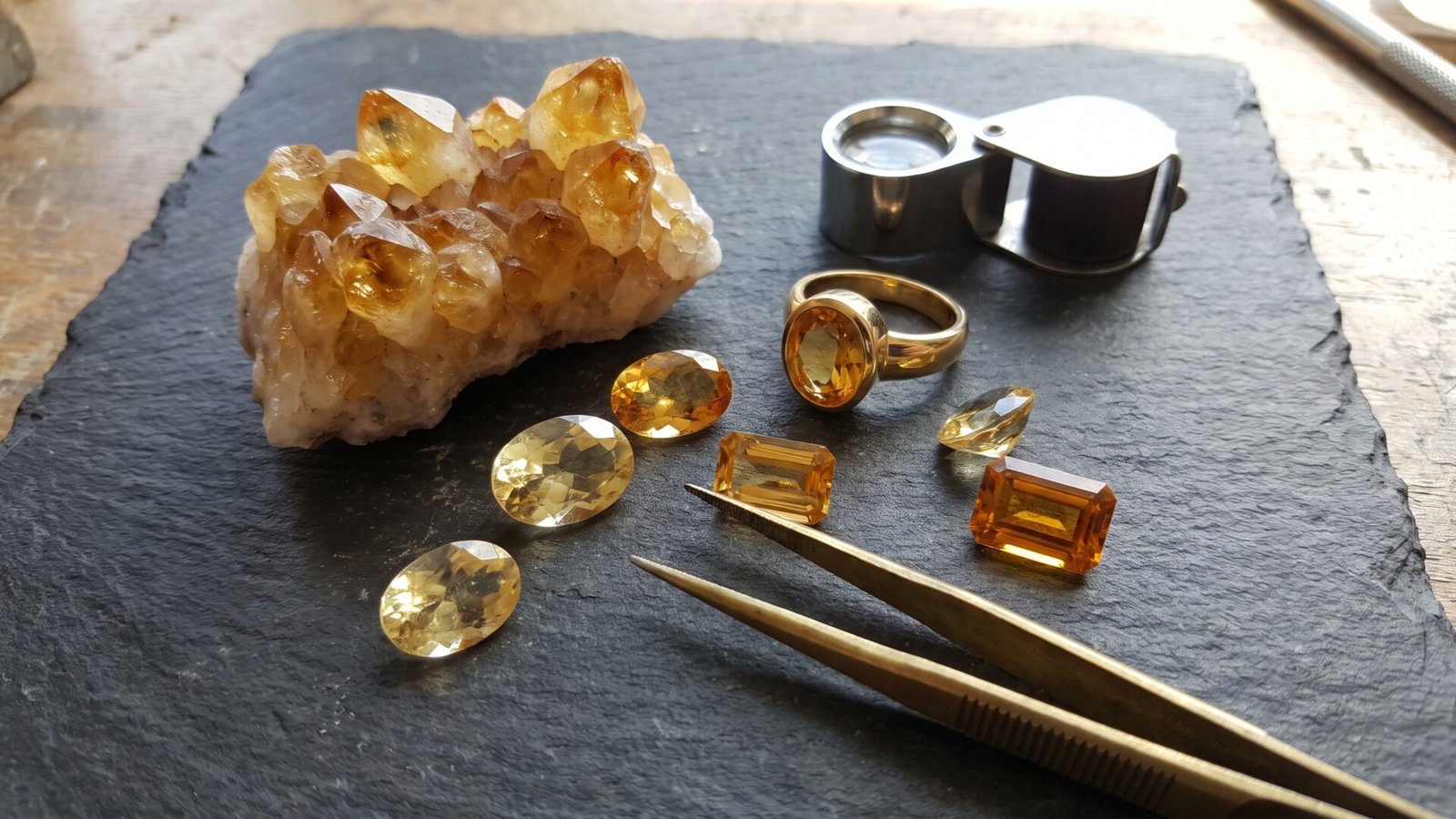
Pale Yellow Citrine
Pale yellow citrine is the lightest shade of the gemstone. It’s often natural citrine, which tends to be paler in color.
- Best for: Everyday jewelry, delicate pieces, and those who prefer subtle colors.
- Symbolism: Gentle optimism, clarity, and mental focus. The pale yellow represents the first light of dawn — the beginning of a new day.
Golden Citrine
Golden citrine is the most common shade, ranging from warm yellow to honey-gold. Much of this is heat-treated amethyst.
- Best for: Prosperity symbolism, career success, and everyday wear.
- Symbolism: Abundance, wealth, and the warmth of the sun. The golden color represents the harvest and the rewards of hard work.
Madeira Citrine
Madeira citrine is the deepest, richest shade — orange to reddish orange, named after the famous Portuguese wine.
- Best for: Collectors, luxury jewelry, and those who want the most vibrant color.
- Symbolism: Passion, intensity, and deep abundance. The rich orange-red color represents the depth of prosperity and the fire of ambition.
Natural Citrine
Natural citrine is rare and tends to be pale yellow or smoky. It’s more sought after by collectors.
- Best for: Gemstone enthusiasts, collectors, and those who value natural origin.
- Symbolism: The rarity of natural color represents authenticity and genuine value.
Heat-Treated Citrine
Most citrine on the market is heat-treated amethyst. The color is generally stable in normal wear, though prolonged strong heat or light may fade some stones.
- Best for: Everyday jewelry, budget-conscious buyers, and those who want vibrant color at an affordable price.
- Symbolism: The transformation from amethyst to citrine represents personal transformation and the ability to turn challenges into opportunities.
| Variety | Appearance | Traditional Symbolism | Best For |
|---|---|---|---|
| Pale Citrine | Light yellow, subtle | Gentle optimism, clarity | Everyday jewelry |
| Golden Citrine | Warm yellow to honey-gold | Abundance, wealth | Prosperity symbolism |
| Madeira Citrine | Orange to reddish orange | Passion, deep abundance | Collectors, luxury |
| Natural Citrine | Pale yellow, smoky | Authenticity, rarity | Gemstone enthusiasts |
| Heat-Treated Citrine | Vibrant golden-orange | Transformation, accessibility | Everyday wear, budget |
Citrine and Astrology
Citrine is commonly linked with Sagittarius and Scorpio, though zodiac birthstone lists differ between astrological traditions and none is scientifically established.
Sagittarius (November 22 – December 21)
Sagittarius is a fire sign ruled by Jupiter. Sagittarians are optimistic, adventurous, and philosophical. Citrine’s cheerful, optimistic energy aligns perfectly with Sagittarius’ natural enthusiasm and love of exploration. Its abundance symbolism supports the archer’s pursuit of success and good fortune.
Scorpio (October 23 – November 21)
Scorpio is a water sign ruled by Pluto and Mars. Scorpios are intense, passionate, and deeply emotional. Citrine’s warm, positive energy helps balance Scorpio’s intensity, encouraging optimism and lightening the sign’s sometimes heavy emotional load. Its confidence-boosting properties support Scorpio’s natural leadership abilities.
Jupiter and Solar Symbolism
Citrine’s association with Jupiter (Sagittarius’ ruling planet) and the sun (the source of its golden color) connects it to growth, luck, and vitality. The stone’s warm energy reflects the optimism and expansiveness of Jupiter, making it a natural choice for those seeking to attract abundance and success.
Why Astrologers Associate Citrine With Optimism and Growth
Astrologers associate citrine with Sagittarius because of its optimistic, expansive energy. For Scorpio, citrine offers balance — lightening the sign’s emotional intensity with warmth and positivity. The stone’s association with the sun and its golden color make it a natural choice for those born under the fire of Sagittarius or the transformative waters of Scorpio.
For more details, explore our Sagittarius Birthstone Guide, Scorpio Birthstone Guide, and Zodiac Birthstones Hub
Citrine as a Birthstone
November Birthstone
Citrine is the modern birthstone for November, along with topaz. Topaz is the longer-established November stone and citrine joined the modern list in the 20th century; birthstone lists vary by country and organization. Citrine’s golden color is often tied symbolically to autumn harvest and abundance.
Anniversary Gemstone
Citrine appears in some modern anniversary-gemstone lists for the 13th wedding anniversary, though lists vary. Its symbolism of abundance, confidence, and enduring success makes it a meaningful choice for celebrating more than a decade of partnership. It’s a stone that says, “Our love has grown and prospered.”
Gift Symbolism
Giving citrine as a gift carries deep meaning. It symbolizes:
- Prosperity: You wish the recipient wealth and success.
- Confidence: You believe in their abilities.
- Joy: You want them to experience happiness.
- Creativity: You value their imagination and potential.
- Abundance: You wish them a life of plenty.
Learn more in our November Birthstone Guide and the Gemstones hub.
Citrine in Jewelry
Citrine’s hardness (7 on the Mohs scale), affordability, and golden color make it a common choice for jewelry. The pieces below are listed from most to least robust for daily wear: pendants and earrings face the fewest knocks, while rings and bracelets take the most.
Rings
Citrine rings are popular for both everyday wear and special occasions. The stone’s warm color pops against yellow, white, and rose gold. Citrine is durable enough for rings but should be protected from hard knocks. Its hardness of 7 makes it scratch-resistant enough to be set into rings.
Necklaces
Citrine pendants are elegant and versatile. A single citrine stone on a simple chain can be worn with anything — from casual to formal. Layered necklaces with citrine charms are also popular. When worn close to the heart, citrine is said to increase self-esteem and bring emotional harmony and good fortune.
Earrings
Citrine studs are classic and professional. Drop earrings and chandeliers make a statement for special occasions. The warm golden color complements both cool and warm skin tones.
Bracelets
Citrine bead bracelets are affordable, stackable, and perfect for everyday wear. Tennis bracelets with citrine stones offer a more elegant option.
Men’s Jewelry
Citrine is increasingly popular in men’s jewelry — signet rings, cufflinks, and minimalist pendants. Its warm golden color is sophisticated without being flashy.
Everyday Wear
Citrine’s hardness of 7 makes it suitable for everyday wear in earrings, necklaces, and bracelets. For rings, especially those worn daily, protective settings are recommended.
Why Citrine Continues to Grow in Popularity
Citrine remains one of the most affordable and frequently purchased yellow gemstones. Its warm color, durability, and affordability make it accessible to a wide range of buyers. It’s also available in large sizes up to 20 carats or more, with the price per carat not rising dramatically for larger sizes. This makes citrine ideal for large cocktail rings, statement brooches, and pendants.
How to Choose a Citrine
When selecting a citrine, consider these factors.
Natural vs Heat-Treated Citrine
Natural citrine is rare in nature. Most citrine on the market is the result of heat treatment, which converts amethyst to the golden shades of citrine. Natural citrine tends to be pale in color, while heat-treated amethyst is typically deeper yellow, orange, or even red. Heat treatment is routine and widely accepted in the trade when disclosed, and it is a main reason citrine is affordable. Natural-color citrine is rarer and usually priced higher, so ask whether a stone is treated.
Color
The finest citrine color is a saturated yellow to reddish orange, free of brownish tints. Dealers look for citrines without color zoning. The most prized colors range from yellow to reddish orange, and even orangy red.
Clarity
Much of the faceted citrine in the market is eye-clean, meaning it lacks eye-visible inclusions. Visible inclusions in pale-colored gems reduce citrine’s value.
Cut
Citrine is available in a wide variety of fancy shapes, including custom cuts. Many cutting styles are calibrated in standard millimeter sizes for use in mass-market jewelry.
Carat Size
Large-size citrine is not priced significantly more per carat than smaller sizes, making it a good choice for bold jewelry designs. Citrine sizes up to 20 carats are readily available in jewelry.
Lab-Grown Citrine and Look-Alikes
Lab-grown (synthetic) quartz in citrine colors exists and has the same chemistry as natural quartz, so it is not fake, but it should be sold as lab-grown. Simulants only imitate the look; the most common are yellow glass and other yellow stones. Yellow topaz and yellow sapphire are different, usually more expensive minerals that are often confused with citrine, while “citrine” sold at very low prices may be glass or a dyed or treated quartz. See our guide to natural versus lab-grown gemstones and the comparison of citrine and yellow sapphire.
Is Citrine Good for Daily Wear?
Hardness 7 resists most everyday dust, but it is below sapphire, ruby, and diamond, so citrine can pick up fine scratches over time. With no cleavage and good toughness, it is a reasonable choice for pendants, earrings, and occasional rings. For an everyday ring, choose a lower-profile or bezel setting, and a halo or protective setting for larger faceted stones. Hard impacts can still chip the edges.
What to Ask Before Buying
- Is the stone natural-color citrine, heat-treated amethyst, or lab-grown?
- Is the color even, without zoning or brownish tints, and is the stone eye-clean?
- What are the return policy and the stated metal and setting type?
- Does the price fit the stone: natural-color citrine is rarer, while large treated stones are commonly inexpensive.
Treat any claim of a healing or wealth-producing effect as a belief, not a feature of the stone.
For more details, explore our Citrine: Meaning, Properties, Uses & Value and Natural vs. Lab-Grown Gemstones
Citrine Compared With Other Yellow Gems
| Gem | Mineral | Mohs hardness | Key trade-off |
|---|---|---|---|
| Citrine | Quartz | 7 | Affordable and tough, no cleavage; most is heat-treated amethyst |
| Yellow topaz | Topaz | 8 | Harder, but perfect cleavage can cause chipping on a sharp blow |
| Yellow sapphire | Corundum | 9 | Very durable and tough; usually costs considerably more |
| Heliodor (golden beryl) | Beryl | 7.5 to 8 | Greenish to golden yellow; less common in stores |
If you are weighing citrine against a pricier yellow stone, our guide to citrine vs yellow sapphire walks through color and cost, and our sapphire meaning guide covers the corundum family. For prosperity-themed gift ideas, see 5 best citrine pieces for attracting wealth and success. Prices vary widely by seller, so we have not listed fixed figures; compare reputable retailers and ask whether the stone is treated.
Caring for Citrine Jewelry
Cleaning
Warm, soapy water is always safe for cleaning citrine. Avoid ultrasonic cleaners if the stone has visible inclusions or fractures. Never use harsh chemicals or abrasive cleaners.
Proper Storage
Store citrine separately from harder stones (diamond, sapphire, topaz) to prevent scratching. Use individual soft pouches or compartmentalized boxes.
Avoiding Prolonged Sun Exposure
While citrine is generally stable, prolonged exposure to intense heat or direct sunlight can fade its color over time. Store it away from sunny windowsills and avoid wearing it in extreme heat.
Daily Care Tips
Remove citrine jewelry before swimming, showering, or applying lotions and perfumes. Wipe with a soft cloth after wearing to remove oils and residues. Avoid abrupt temperature changes, which can fracture citrine.
Common Myths About Citrine Meaning
Myth: All Citrine Is Completely Natural
Natural citrine is rare. Most citrine on the market is heat-treated amethyst. This doesn’t make it fake — it’s still quartz, still beautiful, and still carries the same symbolism. The color is generally stable in normal wear, though prolonged strong heat or light may fade some stones.
Myth: Heat-Treated Citrine Has Different Symbolic Meaning
Heat-treated citrine carries the same symbolic meaning as natural citrine. The stone’s association with abundance, confidence, and success comes from its color and tradition, not its origin. Some practitioners even believe that heat-treated citrine, which has been transformed from amethyst, represents personal transformation and growth.
Myth: Citrine Guarantees Wealth
Citrine is a symbol of abundance, not a guarantee of financial success. Its power lies in its ability to shift mindset — to encourage optimism, confidence, and a prosperity-oriented outlook. It can help you notice opportunities, but it doesn’t replace effort or planning.
Myth: Ancient Cultures Viewed Citrine as the “Merchant’s Stone”
The nickname “Merchant’s Stone” is a more modern association, though it’s rooted in historical traditions. Ancient cultures did value citrine for prosperity and success, but the specific nickname likely developed in later centuries as citrine became more widely available in trade.
Why Citrine Became the “Success Stone” in Modern Culture
The “success stone” reputation is largely modern, and understanding how it formed helps separate tradition from marketing.
The Rise of Positive Thinking
In the 20th century, the rise of positive thinking and self-help movements probably contributed to citrine’s association with success. As people sought tools for personal development, citrine’s sunny, optimistic energy made it a natural symbol of confidence and achievement.
Feng Shui and Prosperity Traditions
Feng Shui, the ancient Chinese practice of arranging space to promote harmony and prosperity, has been a major driver of citrine’s popularity as a “success stone.” Placing citrine in the wealth corner of a home or office is believed to attract financial abundance. Citrine trees and wealth bowls are popular Feng Shui items, used to attract prosperity and positive energy.
Entrepreneurship and Personal Development
In the modern era of entrepreneurship and personal branding, citrine’s association with wealth and success has grown. Many business owners keep citrine on their desks or in their wallets as a talisman for good fortune. Its role as the “Merchant’s Stone” resonates with anyone building a business or career.
Social Media’s Influence on Crystal Symbolism
Social media has amplified citrine’s popularity. Crystal influencers and wellness accounts regularly feature citrine as a stone for abundance, manifestation, and success. Its photogenic golden color makes it highly shareable, and its positive associations make it a favorite for motivational content.
Separating Historical Meaning from Modern Interpretation
While ancient cultures did value citrine for prosperity, the modern “success stone” association is a more recent development. Historical sources mention protective and healing beliefs, with prosperity being one of several associations (these are beliefs, not medical facts). Today, prosperity and success have become the dominant meanings, reflecting our contemporary focus on financial and personal achievement.
How to Choose the Right Citrine Based on Its Meaning
For Prosperity
Choose a golden citrine in a pendant or ring. Its warm color symbolizes wealth and abundance. Place a citrine in your wallet or purse as a talisman for good fortune.
For Confidence
Choose a golden or deep orange citrine in a ring or bracelet. The stone’s association with the solar plexus chakra makes it ideal for building self-confidence and personal power.
For Creativity
Choose a vibrant golden citrine for your workspace. Its ability to stimulate creativity and imagination makes it a powerful tool for artists, writers, and innovators.
For Career Success
Choose a citrine in a necklace or pendant to keep its energy close to your solar plexus. Many entrepreneurs keep citrine on their desks or in their offices as a symbol of abundance and success.
For Gifts
Choose a golden citrine in a classic setting — stud earrings, a solitaire pendant, or a simple bracelet. Its warm color and positive associations make it a thoughtful gift.
Final Thoughts: What Does Citrine Really Mean?
Citrine’s meaning has shifted over the centuries, from a yellow quartz used in ancient jewelry and protective folklore to a modern symbol of optimism, prosperity, and personal success. But through all these changes, one thing has remained constant: citrine represents the warmth, optimism, and abundance of the sun itself.
Whether you’re drawn to its golden color, its ancient history, or its modern spiritual associations, citrine offers something meaningful. It connects us to a long tradition of yellow quartz in jewelry and folklore. And it’s a stone that connects us to ourselves — to our own potential for success, confidence, and joy.
The most powerful meaning of citrine, however, is personal. It’s the meaning you assign to it. It’s the intention you set when you wear it. It’s the reminder you give yourself to stay optimistic, pursue your goals, and believe in your own success.
So whether you choose a pale yellow citrine for everyday wear, a deep golden stone for prosperity, or a rich Madeira citrine for a statement piece, choose the citrine that resonates with you. Because the stone’s meaning is ultimately what you make of it.
Still deciding? Start with the citrine overview or browse the related guides below.
Related Guides
- November Birthstone Guide
- Sagittarius Birthstone Guide
- Scorpio Birthstone Guide
- Citrine: Meaning, Properties, Uses & Value
- Natural vs. Lab-Grown Gemstones
- Citrine vs Yellow Sapphire for Color and Price
- The Power of Citrine: 5 Best Pieces for Attracting Wealth and Success (prosperity-themed jewelry ideas)
Frequently Asked Questions About Citrine Meaning
What is the spiritual meaning of citrine?
Citrine is spiritually associated with abundance, confidence, joy, and personal success. It’s believed to attract prosperity, boost self-esteem, and promote a positive mindset. It’s also associated with the solar plexus chakra, making it a powerful tool for personal empowerment.
Why is citrine called the Merchant's Stone?
What does citrine symbolize?
Citrine symbolizes abundance, prosperity, confidence, optimism, creativity, and personal success. Its warm golden color represents the sun, wealth, and life-giving energy. It’s also a stone of protection, believed to repel negative energy.
Is natural citrine more meaningful than heat-treated citrine?
Natural citrine is rarer and prized by collectors, but heat-treated citrine carries the same symbolic meaning. The color is generally stable in normal wear, though prolonged strong heat or light may fade some stones. Both natural and heat-treated citrine are associated with abundance, confidence, and success. The meaning comes from the stone’s color and tradition, not its origin.
Which zodiac signs are associated with citrine?
Citrine is associated with Sagittarius and Scorpio, the two zodiac signs that fall in November. It’s also connected to the zodiac signs that share its warm, optimistic energy.
What does gifting a citrine gemstone symbolize?
Giving citrine symbolizes prosperity, confidence, joy, and creative potential. It’s a gesture of believing in the recipient’s success and wishing them abundance. It’s also a traditional 13th anniversary gift.
Is there scientific evidence for citrine's spiritual properties?
No. Citrine’s spiritual and healing properties are matters of cultural tradition and personal experience, not established science. Its meaning comes from thousands of years of human belief, not from measurable physical effects.
Can anyone wear citrine?
Yes. Although citrine is traditionally linked with November birthdays and, in some lists, Sagittarius and Scorpio, anyone can wear it for its color and symbolism.
How hard is citrine, and can I wear it every day?
Citrine is quartz with a Mohs hardness of 7 and no cleavage, so it suits pendants, earrings, and occasional rings. For daily-wear rings, choose a protective setting because hard knocks can still chip it.
Is citrine the same as yellow topaz?
No. Citrine is quartz, while topaz is a separate mineral species (Mohs 8, with perfect cleavage). Both are November birthstones on the modern list, and the two have been confused for centuries.
Is lab-grown citrine fake?
No. Lab-grown citrine has the same chemistry as natural quartz, though it should be sold as lab-grown. A simulant such as yellow glass only imitates the look.
Can I use an ultrasonic cleaner on citrine?
Warm soapy water and a soft brush are the safest choice. Avoid ultrasonic cleaners if the stone has visible inclusions or fractures, and avoid sudden temperature changes.
Can citrine heal anxiety or bring money?
There is no scientific evidence that citrine treats any condition or produces wealth. Many people enjoy it as a symbol of optimism or prosperity. For health concerns, speak with a qualified professional.
Ready to find your citrine? Browse our collections below.
[Shop Citrine Jewelry at Blue Nile]
[Shop Citrine Rings at James Allen]
[Shop Ethical Citrine at Brilliant Earth]
[Explore More Birthstone & Crystal Guides]