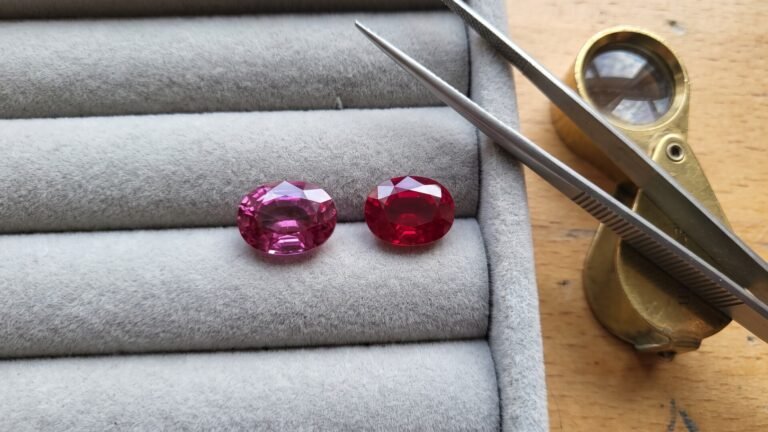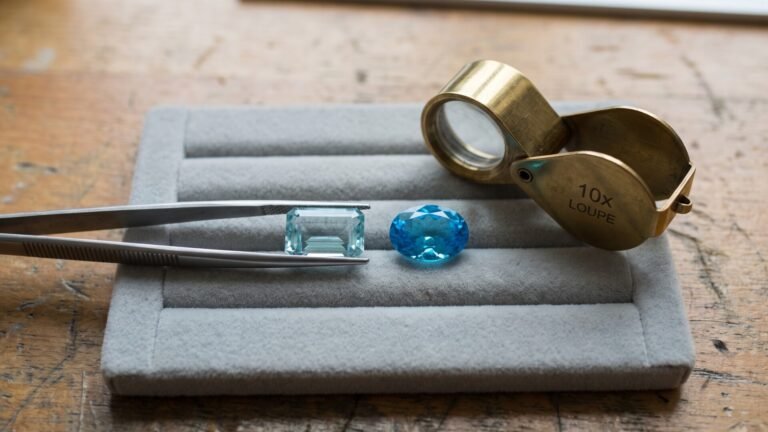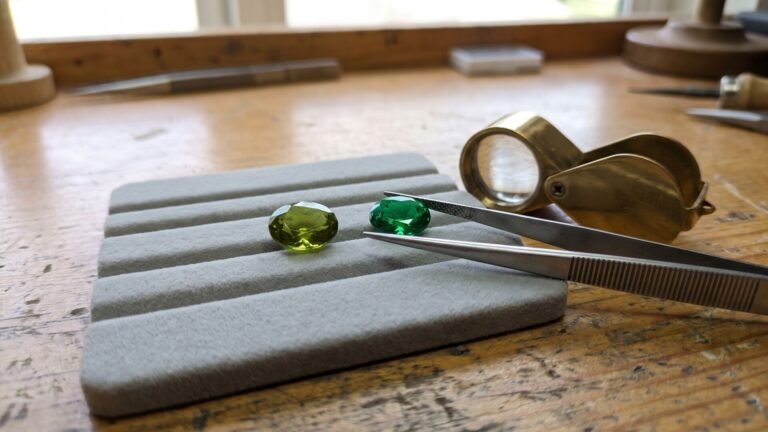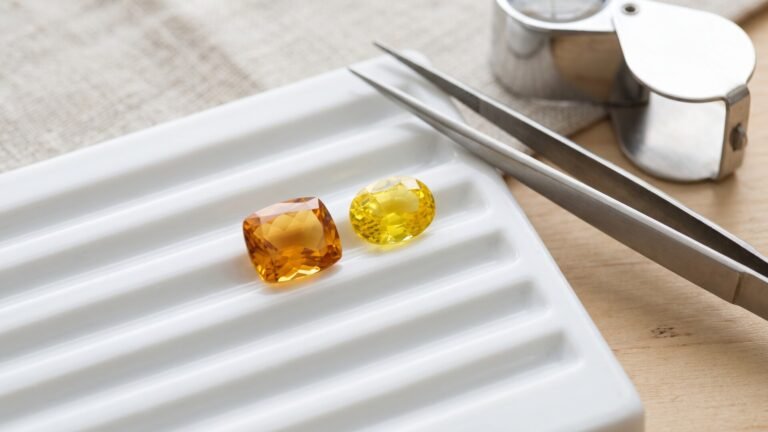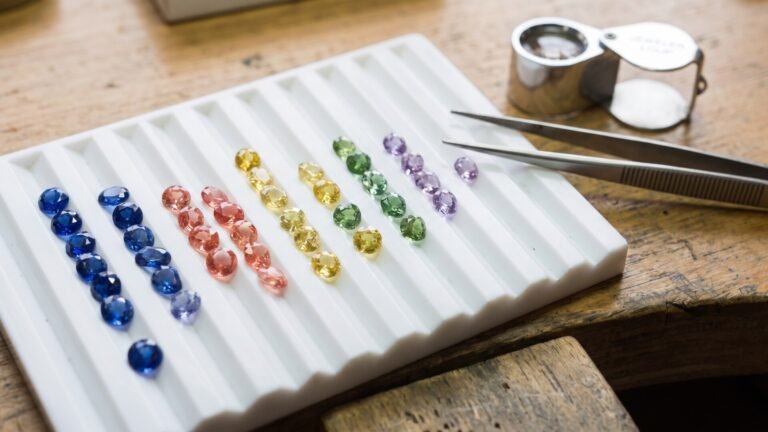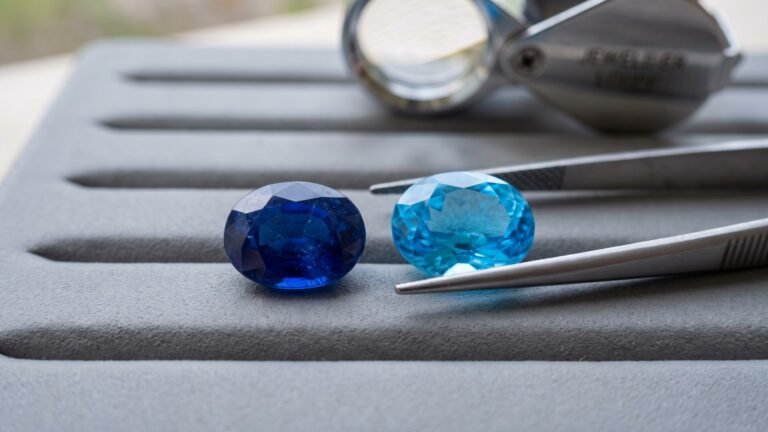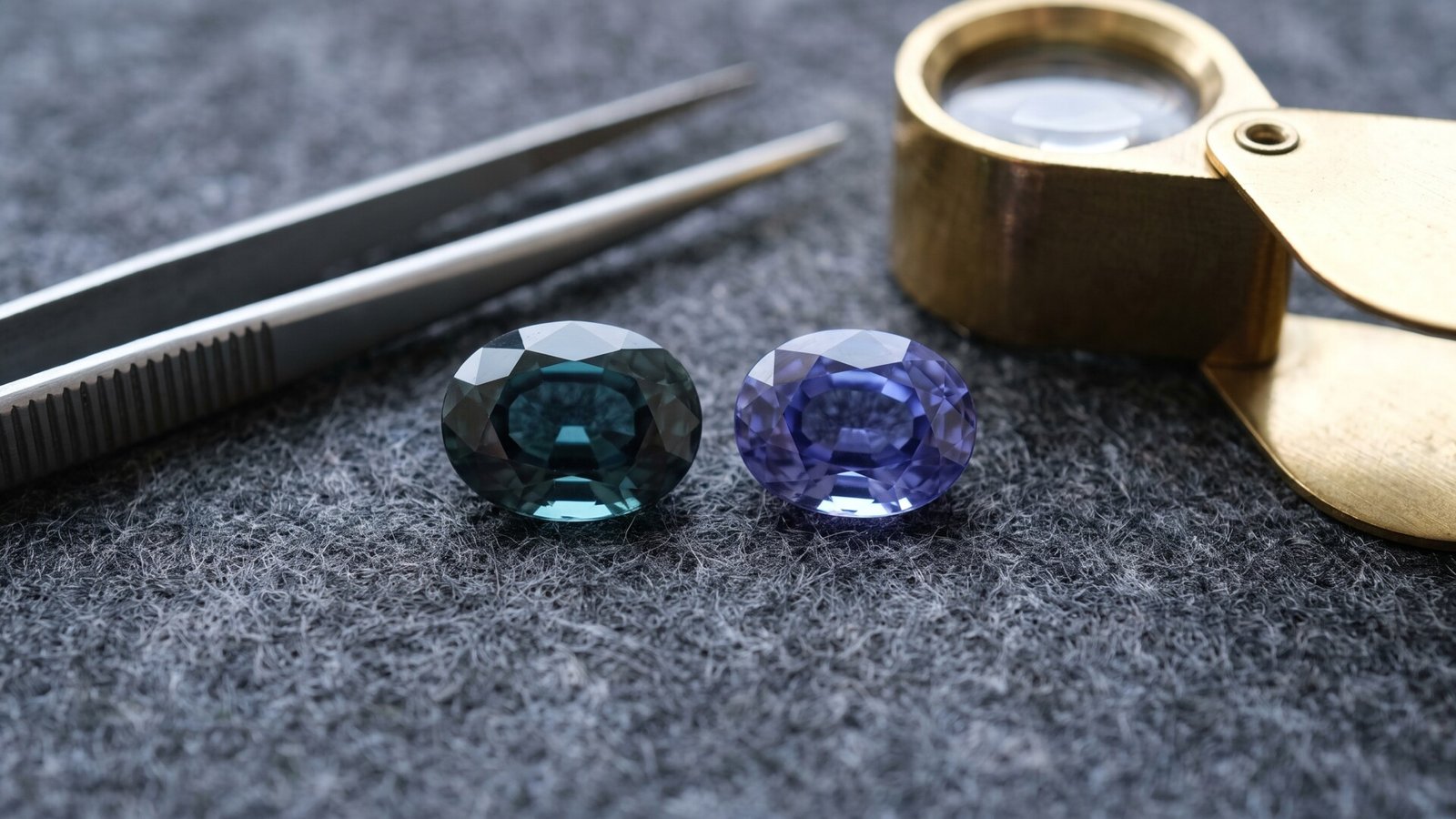
Alexandrite vs Sapphire color change comparison
I have a confession to make. When I first started collecting gemstones, I thought “color change” meant a stone that shifted slightly in different lighting—like a blue sapphire that looked a tiny bit deeper under fluorescent lights. I was wrong. Spectacularly wrong. And I learned that lesson the hard way when I bought what I thought was a color-change sapphire, only to discover later that it was actually a synthetic spinel with barely any shift at all.
That embarrassing mistake sent me down a rabbit hole of research, and what I found changed everything I thought I knew about gemstones. The world of color-change gems is far more fascinating—and far more complex—than most people realize. And at the heart of that world sit two extraordinary stones: Alexandrite and color-change Sapphire.
The growing interest in these gems isn’t just about their beauty. It’s about their rarity, their investment potential, and the sheer magic of watching a stone transform before your eyes. But here’s the thing: not all color change is created equal. And understanding the difference between Alexandrite and Sapphire could save you thousands of dollars—or help you discover the gemstone of your dreams.
In this article, I’ll walk you through everything I’ve learned over years of studying, buying, and occasionally regretting my purchases. We’ll compare the color change properties, value factors, and buying considerations for both stones. By the end, you’ll know exactly which one fits your needs—whether you’re a collector, an investor, or someone looking for that perfect piece of jewelry.
Understanding Color Change in Gemstones
Definition of Color Change
Let me start with the basics—because I wish someone had explained this to me before I made my first purchase. Color change in gemstones refers to a phenomenon where a stone appears to be one color under one type of light source and a different color under another. This isn’t just a subtle shift in shade. True color change is dramatic and unmistakable.
The scientific explanation involves the way certain gemstones absorb and transmit light. According to the Gemological Institute of America, color change occurs because the stone’s absorption spectrum has two distinct transmission windows—one in the red region and one in the green or blue region. Under daylight (which is rich in blue wavelengths), the stone appears green or blue. Under incandescent light (which is rich in red wavelengths), it appears red or purple.
This is where it gets complicated. Not all color-change stones are created equal. Some shift from green to red (like classic Alexandrite), while others shift from blue to purple or violet (like some Sapphires). The intensity of the change also varies dramatically. I’ve seen Alexandrites that look like two completely different stones depending on the light, and I’ve seen “color-change” sapphires that barely shift at all.
Factors Influencing Color Change
The light source matters more than you might think. Natural daylight, fluorescent office lighting, incandescent bulbs, and LED lights all have different spectral compositions. A stone that shows stunning color change under one type of light might look completely static under another.
Viewing angle also plays a role. Some stones show stronger color change when viewed from certain directions due to their crystal structure. And here’s a trick I learned the hard way: always view a color-change gemstone under multiple light sources before buying. Take it to a window, hold it under a lamp, and if possible, look at it under fluorescent lighting too.
For Alexandrite, the classic color change is green in daylight to red in incandescent light. For color-change Sapphire, the typical shift is from blue or violet in daylight to purple or reddish-purple under incandescent light. But remember, these are generalities. Individual stones can vary significantly.
Alexandrite: The Color-Changing Wonder
Overview of Alexandrite
I remember the first time I held a natural Alexandrite. It was at a gem show in Tucson, and the dealer—a grizzled old miner with calloused hands—handed me a small stone. “Look at it in the sunlight,” he said. It was a beautiful, deep green. “Now step into the shade.” It turned a rich, velvety red. I nearly dropped it.
Alexandrite was first discovered in 1834 in the Ural Mountains of Russia. According to historical accounts, it was named after the future Tsar Alexander II, and its green-to-red color change coincidentally matched the imperial colors of Russia. This discovery happened at a time when Russia was already famous for its emeralds, but Alexandrite quickly became the crown jewel of the nation’s gemstone heritage.
Today, natural Alexandrite is found in several locations around the world, including Brazil, Sri Lanka, East Africa, and Madagascar. But the original Russian deposits are largely depleted, and stones from that source command astronomical prices at auction. I once saw a 5-carat Russian Alexandrite sell for over $100,000 at a Sotheby’s auction in New York. It was breathtaking, but also heartbreaking—knowing I’d never own one.
Characteristics of Alexandrite
The color change range in Alexandrite is what sets it apart. The finest stones show a vivid green in daylight and a rich, raspberry red in incandescent light. But here’s the truth: perfect color change is rare. Many Alexandrites show a more muted shift—from bluish-green to purplish-red. Some even appear brownish in one light or the other.
Clarity is another factor. Natural Alexandrite almost always contains inclusions. The stone’s crystal structure, combined with its growth conditions, makes flawless stones extremely rare. I’ve learned to appreciate inclusions in Alexandrite—they’re like fingerprints, telling the story of how the stone formed deep in the earth.
Cut is crucial for Alexandrite. A well-cut stone will maximize the color change effect. The cutter must orient the stone to show the best color change from the top, which often means sacrificing some carat weight. That’s why well-cut Alexandrites command premium prices.
Carat weight is where things get really interesting. Most natural Alexandrites are small—under one carat. Stones over two carats are rare, and anything over five carats is practically a museum piece. I once examined a 3.5-carat Alexandrite at a dealer’s office in Bangkok. He kept it in a locked drawer and only showed it to serious buyers. The price? Over $50,000.
Value Factors
Pricing for Alexandrite has been on a steady upward trajectory for decades. According to industry reports, fine-quality Alexandrite has appreciated significantly over the past twenty years, outperforming many traditional investments. The rarity factor is the primary driver—natural Alexandrite is far rarer than ruby, sapphire, or emerald.
But here’s where I need to be honest with you. The market for Alexandrite is opaque. There’s no standardized pricing like there is for diamonds. Prices are negotiated privately, and the same stone can sell for vastly different amounts depending on the buyer’s knowledge and the seller’s desperation.
For investment purposes, I recommend focusing on stones with strong, distinct color change—not subtle shifts. A stone that clearly shows green and red is worth far more than one that shows bluish-green and purplish-red. Also, look for stones with good clarity and a well-executed cut. And always, always buy from a reputable dealer who provides certification from a recognized laboratory like GIA or AGL.
Sapphire: The Timeless Classic
Overview of Sapphire
I have a confession about Sapphire too. For years, I thought of Sapphire as the “blue stone”—the one that Princess Diana wore in her engagement ring. It wasn’t until I started studying color-change Sapphires that I realized how limited my understanding was.
Sapphire has a rich history that spans millennia. The ancient Persians believed the earth rested on a giant sapphire, and its reflection gave the sky its blue color. Medieval clergy wore sapphires to symbolize heaven. And in modern times, Sapphire has become one of the most popular gemstones for engagement rings and fine jewelry.
The major sources of Sapphire include Sri Lanka (formerly Ceylon), Myanmar (Burma), Madagascar, Australia, and Montana in the United States. Each source produces stones with slightly different characteristics. Sri Lankan sapphires, for example, are known for their bright, cornflower blue color, while Australian sapphires tend to be darker and more inky.
Characteristics of Sapphire
Color change in Sapphire is different from Alexandrite. While Alexandrite shifts from green to red, color-change Sapphire typically shifts from blue or violet in daylight to purple or reddish-purple under incandescent light. The change is often more subtle—think of it as a mood rather than a transformation.
The clarity of Sapphire varies widely. Some stones are eye-clean, meaning no inclusions visible to the naked eye. Others contain silk—tiny needle-like inclusions that can actually enhance the stone’s color by scattering light. I’ve learned to appreciate silk in sapphires, especially in color-change stones, where it can create a soft, velvety appearance.
Cut is important for Sapphire, but not as critical as it is for Alexandrite. Sapphire’s color change is more consistent regardless of orientation, so cutters have more flexibility. That said, a well-cut sapphire will still show better brilliance and color distribution.
Carat weight is where Sapphire has a clear advantage over Alexandrite. Large sapphires are relatively common compared to large Alexandrites. You can find color-change sapphires in sizes up to 10 carats or more, though stones over 5 carats are still considered rare.
Value Factors
Pricing for color-change Sapphire is more accessible than Alexandrite. A fine color-change sapphire might cost a few thousand dollars per carat, compared to tens of thousands for Alexandrite. But don’t let the lower price fool you—quality color-change sapphires are still valuable and can appreciate over time.
The market for Sapphire is more transparent than for Alexandrite. There are established pricing guidelines, and major auction houses regularly sell high-quality sapphires. According to Christie’s and Sotheby’s auction records, the most valuable sapphires are those with intense, saturated color and good clarity.
For investment, I recommend focusing on color-change sapphires with strong, distinct shifts. A stone that clearly shows blue in daylight and purple under incandescent light is more valuable than one with a subtle shift. Also, look for stones from established sources like Sri Lanka, which have a long history of producing fine sapphires.
Alexandrite vs Sapphire: Color Change Comparison
Color Change Effectiveness
Let me be direct with you. When it comes to pure color change effectiveness, Alexandrite wins hands down. The shift from green to red is more dramatic and more visually striking than the blue-to-purple shift typical of sapphire. But here’s the thing: not all Alexandrites are created equal, and some color-change sapphires can be surprisingly impressive.
| Aspect | Alexandrite | Color-Change Sapphire |
|---|---|---|
| Typical Color Change | Green to red | Blue to violet/purple |
| Intensity of Change | Strong, distinct | Moderate to subtle |
| Visibility | Obvious in most lighting | Requires careful observation |
| Rarity of Strong Change | Common in fine stones | Less common |
| Visual Impact | High | Moderate to high |
I’ve personally compared dozens of stones side by side under controlled lighting conditions. The Alexandrites consistently showed more dramatic shifts. But I’ve also seen color-change sapphires that would fool most people into thinking they were Alexandrites—especially under certain lighting conditions.
Rarity and Availability
This is where the comparison gets really interesting. Natural Alexandrite is significantly rarer than color-change sapphire. According to the Gemological Institute of America, fine-quality Alexandrite is among the rarest of all colored gemstones. Color-change sapphire, while still rare, is more available.
| Aspect | Alexandrite | Color-Change Sapphire |
|---|---|---|
| Natural Rarity | Extremely rare | Rare but more available |
| Availability | Limited, especially in large sizes | More options available |
| Lab-Created Options | Widely available | Widely available |
| Treated Stones | Rarely treated | Common heat treatment |
| Market Supply | Constrained | Moderate |
The availability of lab-created stones is another factor. Both Alexandrite and sapphire can be synthesized in laboratories, and these synthetic stones show color change properties similar to their natural counterparts. But here’s the honest truth: lab-created stones are not a good investment. They’re beautiful and affordable, but they don’t appreciate in value the way natural stones do.
Emotional and Symbolic Significance
Alexandrite is associated with balance, transformation, and good fortune. In Russian folklore, it was believed to bring luck and protect against evil spirits. It’s also the birthstone for June, making it a popular choice for anniversary and birthday gifts.
Sapphire has deeper historical and cultural significance. It’s associated with wisdom, virtue, and divine favor. In many cultures, it’s considered a stone of prophecy and spiritual insight. Sapphire is the birthstone for September and is traditionally given for 5th and 45th wedding anniversaries.
In jewelry trends, Alexandrite is seen as exotic and sophisticated—a stone for connoisseurs. Sapphire is more mainstream and versatile, fitting into both classic and contemporary designs. I’ve seen Alexandrite used in statement pieces that are meant to be conversation starters, while sapphire is more often used in everyday jewelry.
Buying Considerations for Alexandrite and Sapphire
What to Look for Before Buying
When buying Alexandrite, the most important factor is the color change. Look for a stone that shows a distinct, recognizable shift from green to red. Avoid stones that appear brownish or muddy in either light. The clarity should be good, but don’t expect perfection—inclusions are normal.
For color-change sapphire, focus on the intensity of the shift. A stone that clearly shows blue in daylight and purple under incandescent light is more valuable than one with a subtle change. Also, consider the stone’s overall color—a vibrant, saturated blue is more desirable than a pale or washed-out hue.
Certification is non-negotiable for both stones. Always buy from a dealer who provides certification from a recognized laboratory like GIA, AGL, or Gubelin. This certification should include the stone’s weight, dimensions, color, clarity, and any treatments or enhancements.
Common Mistakes to Avoid
The biggest mistake I see buyers make is confusing “color change” with “color shift.” A color shift is a subtle change in hue or saturation, while true color change is a dramatic transformation. Don’t pay a premium for a stone that barely changes.
Another common mistake is overlooking treatment disclosures. Many sapphires are heat-treated to improve their color, and this treatment should be disclosed. While heat treatment is generally accepted in the industry, it does affect the stone’s value. Alexandrite is rarely treated, but you should still ask.
And here’s a mistake I made early on: buying based on size alone. A large stone with weak color change is worth less than a smaller stone with strong change. Always prioritize quality over carat weight.
Price Expectations
For Alexandrite, expect to pay anywhere from $5,000 to $50,000 per carat for natural stones, depending on quality. Fine-quality stones over 2 carats can easily exceed $100,000. Lab-created Alexandrite is much more affordable, typically $50 to $200 per carat.
For color-change sapphire, prices range from $500 to $5,000 per carat for natural stones. Exceptional stones with strong color change and good clarity can command higher prices. Lab-created color-change sapphire is also affordable, usually $30 to $100 per carat.
| Quality | Alexandrite (per carat) | Color-Change Sapphire (per carat) |
|---|---|---|
| Low | $5,000 – $10,000 | $500 – $1,000 |
| Medium | $10,000 – $30,000 | $1,000 – $3,000 |
| High | $30,000 – $50,000+ | $3,000 – $5,000+ |
Investment Potential of Alexandrite vs Sapphire
Rarity and Market Trends
Alexandrite has a stronger historical track record for appreciation. According to auction records from Sotheby’s and Christie’s, fine Alexandrites have consistently increased in value over the past 30 years. The limited supply and growing demand from collectors in Asia and the Middle East have driven prices upward.
Color-change sapphire has also appreciated, but at a slower rate. The market for sapphire is larger and more established, which means prices are more stable but less volatile. For investors looking for steady, predictable growth, sapphire may be a better choice.
Liquidity and Resale Value
Here’s the honest truth: neither Alexandrite nor color-change sapphire is as liquid as gold or diamonds. If you need to sell quickly, you may have to accept a lower price. That said, Alexandrite has a more active collector market, which can make it easier to find a buyer for high-quality stones.
Auction performance is a good indicator of market demand. Notable sales include a 17-carat Alexandrite that sold for over $1 million at Christie’s in 2019, and a 22-carat color-change sapphire that sold for $250,000 at Sotheby’s in 2021. These sales demonstrate that both stones have strong demand at the high end of the market.
For most investors, I recommend buying for the long term. Both stones have shown consistent appreciation over decades, but short-term fluctuations are common. If you’re looking for a quick return, this isn’t the right investment.
Conclusion
Let me bring this back to where we started. The allure of color-changing gemstones is real. There’s something magical about holding a stone that seems to contain two different worlds within its facets. Whether you choose Alexandrite or color-change sapphire depends on what you’re looking for.
If you’re a collector or investor seeking rarity and dramatic color change, Alexandrite is the clear winner. Its green-to-red transformation is unmatched in the gemstone world, and its scarcity ensures long-term value appreciation. But be prepared to pay a premium—and to accept that large, high-quality stones are extremely difficult to find.
If you’re a jewelry lover looking for beauty and value, color-change sapphire is an excellent choice. It offers a more subtle but still captivating color change, and it’s available in larger sizes at more accessible prices. Plus, its durability makes it ideal for everyday wear.
The stone you buy today will outlive you. Someone will wear it who hasn’t been born yet. Choose wisely, buy from reputable dealers, and always prioritize quality over size. That’s the power of these extraordinary gemstones. They’re not just jewelry. They’re a memory.
Frequently Asked Questions About Alexandrite Vs Sapphire Color Change
What factors influence the price of Alexandrite and Sapphire?
The primary factors are color change intensity, clarity, cut quality, carat weight, and origin. For Alexandrite, the strength of the green-to-red shift is most important. For color-change sapphire, the blue-to-purple shift and overall color saturation are key. Natural stones from historical sources like Russia (for Alexandrite) or Sri Lanka (for sapphire) command premiums.
Are lab-created Alexandrites and Sapphires a good investment?
No. Lab-created stones are beautiful and affordable, but they don’t appreciate in value. They’re excellent for jewelry that you plan to wear and enjoy, but they should not be considered investments. Natural stones with certification from recognized laboratories are the only ones that hold long-term value.
How do you care for Alexandrite and Sapphire jewelry?
Both stones are durable enough for everyday wear, but they still require care. Clean them with warm water and mild soap, using a soft brush. Avoid ultrasonic cleaners if the stone has inclusions or treatments. Store them separately from harder stones like diamonds to prevent scratching. Have your jewelry professionally inspected and cleaned once a year.
What is the best way to spot a genuine Alexandrite?
Look for the characteristic green-to-red color change under different lighting. Genuine Alexandrite also has a distinctive absorption spectrum that can be seen with a spectroscope. Always buy from a reputable dealer who provides certification from a laboratory like GIA or AGL. Be wary of stones that show only a subtle shift—they may be color-change sapphire or synthetic spinel.
Can color change be enhanced in these gemstones?
Heat treatment can enhance the color of sapphire, but it rarely creates or improves color change. Alexandrite is not typically treated for color enhancement. Some treatments, like diffusion, can create artificial color change in low-quality stones, but these are generally considered deceptive and should be disclosed. Always ask about treatments before buying.
What are the best settings for Alexandrite and Sapphire in jewelry?
Both stones are hard enough for most settings, but Alexandrite is slightly more brittle due to its cleavage. For Alexandrite, bezel settings offer the best protection. For sapphire, prong settings are fine, but avoid sharp prongs that could chip the stone. For rings, consider a protective setting like a cathedral or bezel to prevent damage during daily wear.
[Shop Alexandrite Jewelry at James Allen]
[Shop Color-Change Sapphire Jewelry at Blue Nile]
[Explore Gemstone Certification Services at GIA]
[Learn More About Gemstone Investing at Our Investment Hub]
[Internal: Read Our Guide to June Birthstones]
[Internal: Explore Our Sapphire Collection]
[Internal: See Our Complete Guide to Color-Change Gemstones]