Can Gemstones Lose Their Color Over Time? A Guide to Color Stability
I once sold a pair of kunzite earrings to a woman shopping for her daughter’s wedding. Beautiful things, pale violet, the color of the inside of a shell. I told her to keep them out of direct sun. She laughed and said the wedding was indoors.
Two years later she brought them back. The left earring had gone nearly clear. She had kept the box on a windowsill in the kitchen because she liked looking at them while she made coffee. Nobody had told her that a windowsill is a slow act of erosion.
That is the honest answer to whether gemstones lose their color: some do, and most do not, and the difference has almost nothing to do with what you paid. The gemstone name, the treatment history, and where the piece lives when it is not being worn decide it. Here is how to tell which stone you are holding.
Which Gemstones Are Most at Risk of Fading?
Color stability is a materials question, not a price question. It comes down to the stone’s chemistry, how it was treated, whether it has been exposed to ultraviolet light or heat, and the condition of its surface. A $40 amethyst and a $4,000 amethyst are the same mineral and respond to sunlight the same way.
That is why the useful split is not natural versus synthetic, or cheap versus expensive. It is stable versus vulnerable, and disclosed versus undisclosed.
For broader grounding in how stones are classified and where each variety sits, the full gemstone guide covers the families and terminology this article assumes.
A practical color-stability table
| Gemstone or material | Typical color stability | Main risk | Buying or care note |
|---|---|---|---|
| Amethyst | Moderate to good; some examples fade | Prolonged strong light and heat | Ask about irradiation; keep out of long-term window display |
| Aquamarine | Generally good | Heat and treatment-related concerns | Buy from a seller who discloses treatments |
| Citrine | Usually stable in normal wear | Strong heat and light on some treated material | Confirm whether it is heat-treated amethyst |
| Kunzite | Relatively light-sensitive | Ultraviolet exposure | Poor choice for a daily-wear ring or sunny display |
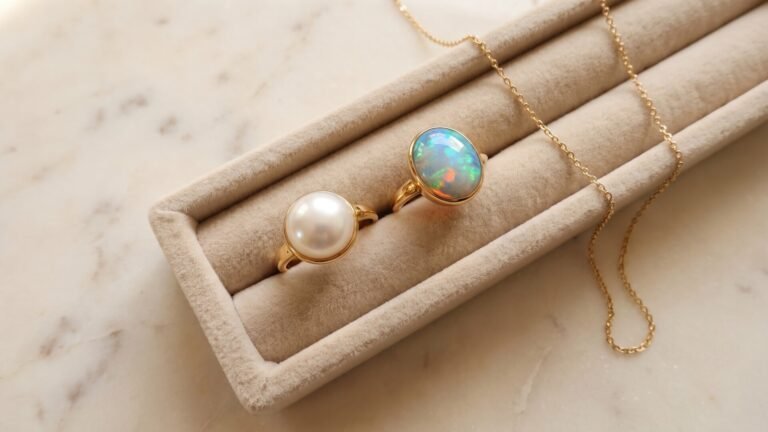
| Opal | Color play generally stable; body can craze | Heat, dryness, temperature swings, chemicals | Apparent color loss is often surface or structural damage |
| Pearl | Color can change at the surface | Cosmetics, acids, perspiration, abrasion | Needs careful wear and storage |
| Peridot | Generally color stable | Harsh chemicals, heat, surface wear | Protect from chemicals even though fading is unlikely |
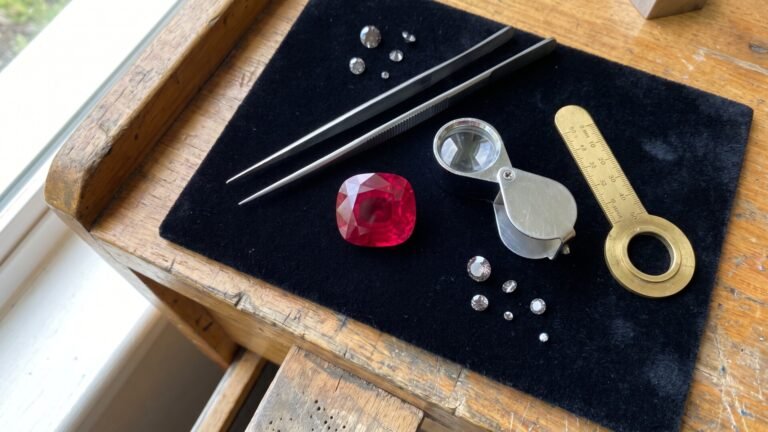
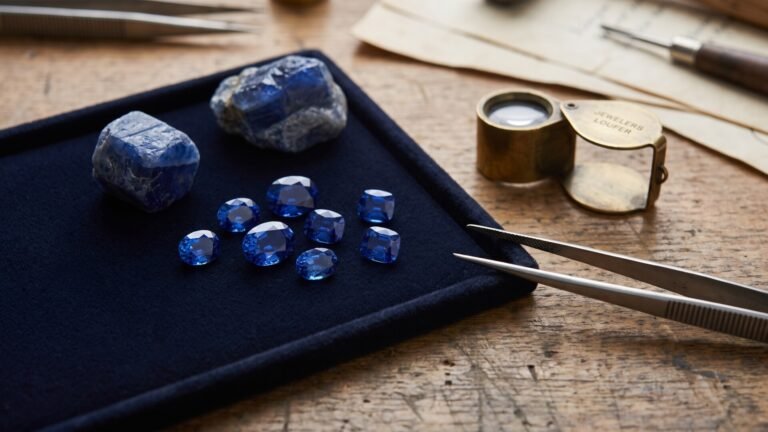
| Ruby and sapphire | Usually highly color stable | Treatment-specific issues, severe heat | Treatment disclosure remains essential |
| Turquoise | Can darken or shift at the surface | Oils, cosmetics, chemicals, stabilization | Surface change is often mistaken for fading |
| Tanzanite | Color usually stable; stone is heat-sensitive | Heat, thermal shock, treatment concerns | Better for occasional wear than rough daily use |
Read that table as tendency, not promise. Two amethysts from the same parcel can behave differently, because color in gemstones often sits in structural imperfections called color centers – places in the crystal lattice where an impurity or a missing electron absorbs particular wavelengths of light. Disturb those centers and the color shifts. Some stones have more fragile ones than others.
For a worked example of how this plays out in a stone most readers own, whether amethyst fades in sunlight goes deeper on the popular purple.
Why Gemstones Change Color or Appear to Change Color
Before you conclude your stone has faded, you need to know which of four things is happening. They look similar and have completely different fixes.
True fading from light exposure
Photodegradation is the technical term: prolonged exposure to ultraviolet or intense visible light alters the color centers in a stone, and the color shifts or lightens. It is real, it is usually gradual, and it is generally permanent.
The exposure that matters is not a walk to the car. It is years in a jewelry display window, a bright windowsill, a car dashboard, or a shelf under a skylight. A stone worn outdoors a few times a month is not living the same life as a stone sitting in direct sun eight hours a day.
Treatments can raise the risk. A stone whose color was created or enhanced by a light-sensitive process may be more vulnerable than untreated material of the same species. This is one reason treatment disclosure is not paperwork – it is a care instruction.
Heat, thermal shock, and chemical exposure
Heat accelerates color change and can damage treatments outright. Sudden temperature change – a hot stone into cold water – can crack a stone through thermal shock, which is exactly what it sounds like.
Chemicals are a separate problem. Bleach, acids, chlorine, cosmetics, and household cleaners attack surfaces, fillings, coatings, and organic materials. A turquoise that has darkened from skin oil and lotion has not faded. It has been chemically altered at the surface.
Repair work counts too. A jeweler’s torch during a resize, or a repolishing that removes a thin surface layer, can change how a stone looks even when the color underneath is untouched.
Optical and surface causes that mimic fading
Most "my stone faded" cases I saw behind the counter were none of the above. They were dirt, skin oil, worn polish, fine scratches, or a coating that had abraded at the edges. All of those scatter light instead of returning it, and a stone that scatters light looks duller and less saturated.
Dehydration matters for some porous materials, which can look chalky when dry. Lighting matters for everything. A stone under warm household bulbs, cool daylight, and the aggressive spotlights of a jewelry store will read as three different colors without changing at all.
Do not diagnose color loss from a photograph. Phone cameras white-balance differently in every room. Compare the stone in indirect daylight, then have a qualified jeweler or gemologist look at it under proper conditions.
Natural Color, Treated Color, and Coated Color: The Buying Difference
"Natural gemstone" describes origin. It says nothing about whether the color you are looking at is the color the earth made. Those are separate questions, and conflating them is the single most expensive mistake in this category.
Treatments that can affect long-term color stability
- Dyeing creates or intensifies color, and depending on the material it may be vulnerable to chemicals, abrasion, or light.
- Surface coatings – films, lacquers, backings – can scratch, peel, or wear through at edges and contact points. A coated stone that loses its coating has not faded; it has lost its paint.
- Irradiation and heat treatment are accepted, widespread practices in the trade. Many are stable for the life of the stone. Some are not. The point is not that treated stones are bad – it is that you should know.
- Fracture filling, impregnation, and stabilization – common in emerald, turquoise, and porous materials – can be damaged by heat, solvents, ultrasonic cleaning, or chemicals, changing appearance.
- Treatments on pearls, turquoise, opal, and quartz varieties deserve specific questions, because these materials are porous or organic and respond to their environment.
Questions to ask before buying
Ask these out loud, in the store, and watch how the salesperson answers. A good one will be glad you asked.
- Is the color natural, treated, dyed, coated, irradiated, or heat enhanced?
- Is that treatment permanent under ordinary jewelry use?
- Are there care restrictions – no ultrasonic, no steam, no soaking?
- Has this stone been exposed to heat, strong light, chemicals, or repair work?
- Is there an independent report for a valuable or unusual stone?
For expensive, rare, heavily treated, or investment-oriented stones, get an independent report from a respected gemological laboratory. GIA, for instance, issues reports that identify the material and disclose many treatments.
Be clear about what a report does and does not do. It is an expert opinion at a moment in time. It is not a guarantee against future damage, and it will not stop a coating from wearing through in five years of daily wear.
What Most Buyers Get Wrong About Gemstone Fading
Four beliefs cause most of the trouble. Each one sounds reasonable and each one costs money.
Mistake: assuming natural means colorfast. Natural origin and color stability are unrelated properties. A natural, untreated kunzite is more light-sensitive than many treated stones. "Natural" answers where it came from, not how it will behave on your hand in July.
Mistake: assuming synthetic means inferior. Lab-created materials can have highly predictable color because they were grown under controlled conditions. That is a genuine advantage for someone who wants a specific color to stay that color. Composition and treatment still matter – lab-created is not a synonym for stable – but the reflex that natural always wins is not supported.
Mistake: blaming sunlight for every color change. Most appearance changes I handled were surface problems. Worn polish, accumulated residue, a scratched coating, chemical dulling. If you jump to "it faded" you may pay for a replacement when a professional cleaning and repolish would have restored it.
Mistake: choosing untreated without considering use. Untreated is a fine default for many purchases and a poor one for a daily-wear ring in a light-sensitive species. The right question is not "is it untreated" but "is this stone suited to the life it will lead."
Here is the framework I would use:
- Daily-wear ring: prioritize stable color, adequate hardness, a protective setting, and disclosed treatment.
- Occasional pendant or earrings: more materials become practical, because exposure and impact are lower.
- Heirloom purchase: prioritize documented treatment history, repairability, and known storage requirements.
- Decorative display stone: keep it out of direct sunlight even though nobody is wearing it.
How to Protect Gemstone Color for the Long Term
Almost everything that preserves color is a habit, not a purchase. The purchases help, but only if the habits are there.
Light and storage
Store light-sensitive stones in a fabric-lined box, an opaque pouch, or a closed drawer. Not on a sill, not on a dresser in a sunlit room, not under a lamp that stays on.
Keep stones separated so they do not scratch each other. A diamond and an amethyst in the same compartment is a slow abrasion experiment with a predictable result.
Avoid hot cars, humid bathrooms, and spots with repeated temperature swings. And be skeptical of original packaging as long-term storage – a pretty box with a clear lid lets light in, and some inserts trap moisture against the stone.
How to store birthstone jewelry without scratching or damaging it covers compartment choices and materials in more detail.
Cleaning and wearing
Use lukewarm water, a soft cloth, and mild soap only when that stone’s care requirements allow it. Some do not allow it at all.
Keep perfume, hairspray, lotion, sunscreen, chlorine, bleach, and household cleaners away from vulnerable stones. The practical version: jewelry goes on last, comes off first. How perfume, lotion and hairspray damage gemstones explains what each one actually does to which materials.
Do not assume an ultrasonic or steam cleaner is safe. Porous, fractured, filled, coated, organic, and heat-sensitive stones can be damaged by methods that are perfectly fine for a sapphire. Which gemstones are safe to clean with an ultrasonic cleaner is the list worth checking before you buy the machine.
Remove vulnerable pieces before swimming, bathing, gardening, exercising, or cleaning. Chlorine and abrasion do more damage in an hour of pool time than a year of careful wear.
Inspection and documentation
Photograph the stone in neutral, indirect daylight when it is new. That photo is your baseline, and it is worth more than memory. Keep the receipt, treatment disclosure, appraisal, and laboratory report together in one place.
Have valuable or heavily worn jewelry inspected periodically for loose settings, worn coatings, cracks, and surface damage. A prong that has worn thin is a lost stone waiting for a reason.
How to Tell Whether a Gemstone Has Really Faded
Work through this in order. It costs nothing and rules out the most common causes first.
- Compare under neutral light. Indirect daylight, then ordinary indoor lighting, then your original photograph. Never judge from a jewelry-store spotlight, which is designed to flatter.
- Clean it safely. Use only a method you know is appropriate for that stone and treatment. How to clean gemstone jewelry at home gives a safe starting process.
- Inspect the surface. Look for scratches, cloudiness, crazing, peeling at the edges, darkened patches, or wear at facet junctions and contact points.
- Check the pattern. Is the change even across the stone, or concentrated at the surface, near cracks, or on exposed edges? Surface-concentrated change usually means wear or coating loss, not fading.
- Get an expert opinion. For anything valuable, ask a qualified gemologist or reputable jeweler for identification, treatment assessment, and a plain explanation of whether you are looking at fading, surface wear, structural damage, or lighting.
Do not run home tests. No bleach, no leaving it on a windowsill to "see what happens," no heat, no scraping, no solvents, no internet authenticity hacks. You can permanently damage a stone proving a point that a gemologist would have settled with a loupe.
Which Gemstones Still Make Sense in Three Years?
This is the question that actually matters, and it is not answered by a stability ranking. It is answered by matching the stone to the life it will lead.
Color stability and durability are different properties, and you need both. The gemstone hardness scale explained covers scratch resistance, which is a separate question from whether a stone holds its color.
Best choices for daily wear
Sapphire and ruby are the strong default. Both are corundum, both are hard, and both are highly color stable in ordinary use. Treatment disclosure still matters – heat treatment is standard and accepted, and other treatments need asking about.
Spinel and garnet are practical alternatives worth considering. Both are reasonably hard and generally stable. The exact variety, color, setting, and treatment history decide the individual piece, so evaluate the stone in front of you rather than the species name.
Aquamarine and peridot work well for many wearers when protected from harsh chemicals, impacts, and careless cleaning. Peridot has a specific reputation for color stability that is mostly deserved – whether peridot fades in sunlight covers the details and the real risks, which are chemical and physical rather than photochemical.
Better for occasional wear or protected settings
Kunzite is beautiful and a poor match for prolonged sun exposure or a hard-use ring. That is not a flaw in the stone. It is a mismatch between the stone and the job.
Opal and pearl are meaningful, distinctive, and more vulnerable to environmental damage. Neither belongs in careless daily wear. For a comparison of how the two behave, pearl versus opal is a useful starting point.
Tanzanite offers remarkable color and real symbolism, with lower resistance to impact and heat. A protective setting and occasional use is the sensible arrangement.
Treated or coated stones can be excellent value when the treatment is disclosed and the owner follows the restrictions. The value collapses if the coating wears off in a year because nobody mentioned it.
A three-question decision framework
Ask these before you buy anything:
- Will this stone spend long periods in direct sunlight?
- Will it be exposed to chemicals, water, impact, or constant hand use?
- Am I prepared to follow treatment-specific care instructions for something I intend to hand down?
For a daily-wear heirloom, choose a color-stable stone with transparent treatment disclosure. For occasional jewelry, a less stable gemstone can be entirely worthwhile if you understand its limits going in.
If you are shopping with stability in mind, [Affiliate: browse sapphire and ruby jewelry collections] rather than individual listings – you will see the range of treatments and price tiers in one place, which is the fastest education available.
Frequently Asked Questions About Gemstones Fading Over Time
Can gemstones lose their color over time?
Yes. Some gemstones and treated materials fade or change appearance after prolonged exposure to light, heat, chemicals, or wear. Many durable, untreated gemstones remain color stable under ordinary use for decades.
Does sunlight fade every gemstone?
No. Sunlight is a real risk for certain light-sensitive stones and treatments, but most gemstones tolerate normal occasional outdoor wear without measurable change. The concern is prolonged, direct, repeated exposure – windowsills, display cases, dashboards.
Is a faded gemstone permanently damaged?
Not always. Dirt, worn polish, surface coatings, scratches, residue, and lighting can all imitate fading. Have valuable pieces inspected before authorizing any restoration, because an unnecessary repolish removes material you cannot put back.
Are treated gemstones more likely to fade?
Some treated stones are more vulnerable to light, heat, solvents, or abrasion. Treatment alone does not determine stability – the specific treatment and whether the seller disclosed it are what matter.
Which gemstones are safest for daily wear if color stability matters?
Ruby and sapphire are the strongest common choices, combining stable color with high hardness. Spinel and garnet are reasonable alternatives. Whatever you choose, evaluate the specific stone’s treatment, setting, and cleaning requirements.
Can a gemstone report guarantee the color will never change?
No. A report identifies the material and discloses many treatments. It cannot guarantee the stone will never be damaged by light, heat, chemicals, abrasion, or improper care.
Should faded gemstone jewelry be replaced or repaired?
Have it assessed first. Cleaning, repolishing, resetting, or removing a damaged coating can improve appearance substantially. True color alteration may need specialist attention or replacement, and repolishing always costs a little material.
Does storing jewelry in the dark really matter?
For light-sensitive stones, yes. A closed drawer or opaque pouch removes the exposure entirely, which is more reliable than trying to remember which windowsill gets morning sun. It also prevents the scratching that makes stones look dull.
The Long View
The piece you buy this year will probably outlive you. That is not a morbid thought – it is the practical frame for every decision in this article. In forty years, someone will open a box and find your ring, and what they see will depend on choices made long before they were born.
A color-stable stone with documented treatment history, kept out of direct sun and cleaned correctly, will look very much like it did on the day you bought it. A light-sensitive stone in a sunny window will not, and no amount of money spent at purchase changes that.
So choose the stone whose care requirements fit the life it will actually lead – not the life you imagine for it, not the display case it looks best in, but the drawer, the hand, and the windowsill it will really live beside. Then write down what it is and how to care for it, and keep that with the piece. The person who inherits it will thank you for a paragraph more than for a certificate.